82% of England remains in drought despite recent rains

The recent rains have not been enough to end the drought in England, according to the National Drought Group.
It said while "weather whiplash" saw a return to wetter conditions at the weekend, and Storms Austen and Boelo "provided some short-term hydrological benefit", they have not materially changed the drought outlook.
England still needs at least 120% of average rainfall for the next six months to be considered out of drought by spring.
"Anything less risks the drought continuing into next year – with Devon & Cornwall and East Anglia (traditionally the driest part of England) most at risk," the National Drought Group said.
On Wednesday (October 28), North West England moved out of prolonged dry weather and into recovery.
But 82% of the country remains in drought, with the public again asked to use water wisely, as the recent rainfall is "nowhere near enough" to reverse the impacts of repeated heatwaves and an extremely dry spring and summer.
Water Minister, Emma Hardy, said: “Despite the recent rain, the situation remains serious.
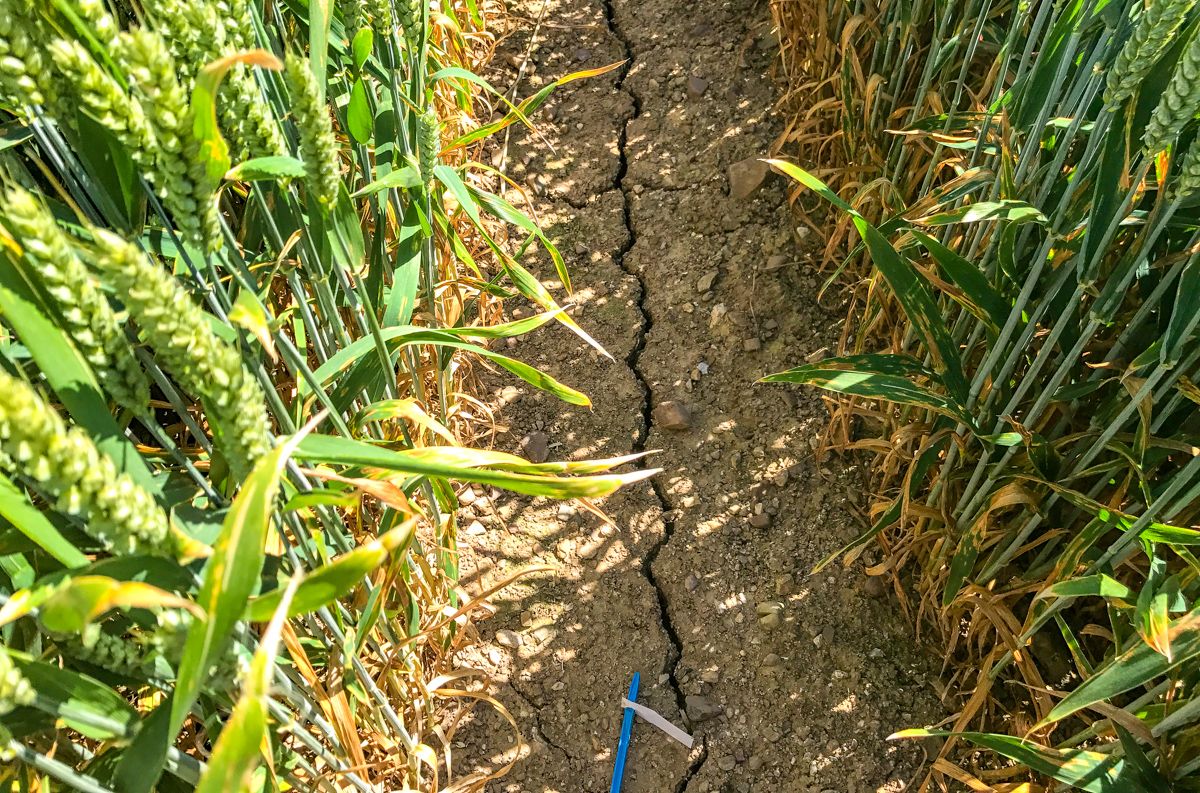
"As we move through autumn and winter, we now face the challenge of having drought and flood simultaneously as the rain struggles to be absorbed by the hardened ground.
“Resilience to our changing climate is key and we need to be thinking about next year now."
The minister said water companies must continue to take every available measure to secure current supplies.
She added: “Although water companies remain responsible for maintaining public water supplies, we can all help by thinking about ways to use water wisely, whatever the weather.”
Drought declaration
Parts of Cornwall, Devon, Dorset, Somerset, East Sussex and West Sussex remain in severe drought.
The government’s declaration of severe drought in these areas was driven by exceptionally low reservoir levels - particularly at Ardingly in West Sussex (run by South East Water), Wimbleball in Somerset (used by both South West Water and Wessex Water) and some smaller reservoirs across the South West.
Severe drought status allows additional proactive steps to be taken to safeguard water before any disruption occurs, such as daily monitoring and enhanced engagement with Local Resilience Forums.
The government has told water companies and the Environment Agency to put public supplies first.
The Environment Agency has been allowing farmers to take water from rivers outside of the traditional abstraction window to allow for early recharge of farm reservoirs.
A dry winter would increase the risk of significant impacts on agriculture next year.