Advice for road users as busy harvest season begins

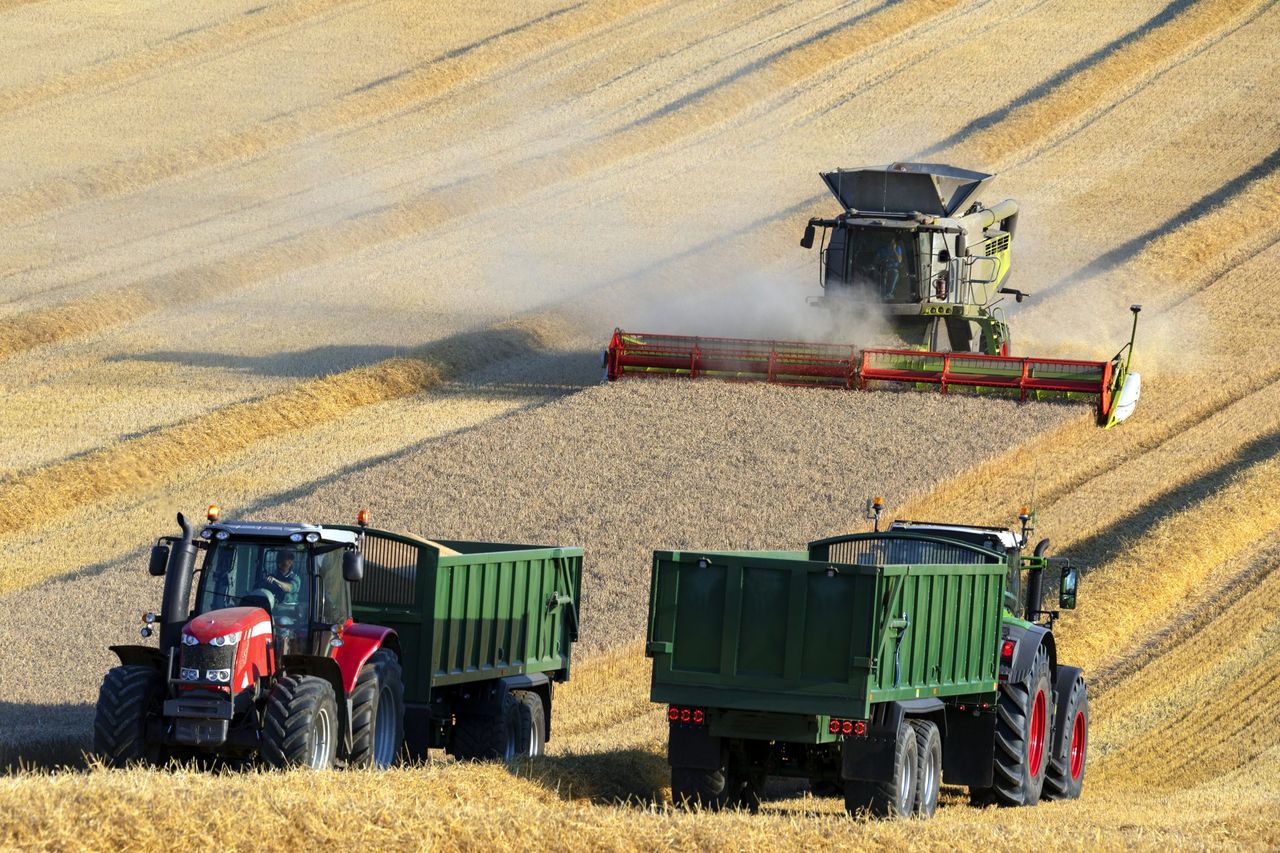
As farmers begin the harvest season and agricultural traffic increases, rural road safety campaigner and insurer NFU Mutual is urging all road users to take extra care for the next few months.
The harvest season is already underway in some places, with livestock farmers making their vital first cut of silage to build stores to feed cattle through next winter.
From around June, farmers will begin hay making, while crops grown for food will be harvested throughout July and August and into September.
These peak months for British farmers see an increase in agricultural vehicle traffic when compared to autumn and winter, including many tractors pulling heavy silage and grain trailers or wide agricultural machinery.
At the same time, many will be looking to enjoy the Great British countryside this summer.
Road safety
With this increase in traffic comes an increased risk of collisions on rural roads, making it even more important that all rural road users recognise and respect the hazards unique to countryside roads, according to NFU Mutual.
The latest claims data from NFU Mutual shows that collisions between agricultural vehicles and third parties were 56% more likely to occur between the start of May and the end of September 2025 than in any other months.
On average, there were 391 of these collisions per month during the silage-cutting, hay-making, and harvesting season compared to 251 per month between January and April and October and December.
Many of the day trippers and holiday makers in the countryside this summer may not be used to using rural roads or navigating agricultural vehicles, which can further increase the risk of collisions, it said.
According to an NFU Mutual survey, 35% of people in the UK are concerned about navigating agricultural vehicles when using rural roads.
Rural road safety specialist at NFU Mutual, Andrew Chalk said:
“The fact that harvesting needs to be done in good weather creates a perfect storm when it comes to road safety, with the summer seeing farmers and holidaymakers and day trippers rush to make the most of the sun.
“NFU Mutual claims data has consistently shown that this causes a spike in the number of collisions between agricultural vehicles and other road users, and so it’s vital that everybody does what they can to keep our rural roads safe this summer.
“Our research has shown that 23% of motorists have been involved in a collision on a rural road, and that 26% felt unprepared to driver on rural roads after receiving their license, and sadly we also know the tragic consequences of this.
2Almost 10,000 people lost their lives on rural roads in the decade ending in 2024, so a small change in behaviour can have a powerful impact," he added.
NFU Mutual has stressed that agricultural machinery is larger, wider and slower than other vehicles, which can tempt road users to overtake, but has said that it is vital to overtake only when it’s safe to do so.
This is when drivers can see a clear road ahead, there are no field openings, and there is space to pass.
Many rural roads will not have long open stretches, so farmers and contractors are reminded to remember to pull over, if possible, to allow built-up traffic to pass.
“Where it isn’t possible to allow traffic to pass, motorists and cyclists should remember they are likely driving only a few miles or to the next field opening, so be patient, give agricultural vehicles room to turn and don’t drive too closely to them," Chalk added.
Guide to respecting rural roads
All road users
- Give plenty of space when overtaking. Vulnerable road users, such as walkers, runners, horse riders and cyclists, should be given as much room as motorists where possible. Do not overtake if there is a solid white line on your side of the road;
- Always check for other road users, particularly at the entrance of fields and junctions;
- Be patient with fellow road users and only overtake when it is safe for all road users;
- Consider where you park to avoid blocking field entrances or obstructing the road for wide agricultural machinery, such as combine harvesters, as they will often need to drive across two lanes;
- Be aware of mud on the road. Rural roads are essential to the farming industry and therefore some mud will be dragged from fields to the road;
- Familiarise yourself with the Highway Code;
- Avoid unnecessary distractions like looking at your phone or listening to music through headphones, allowing you to be aware of your surroundings.
Farmers
- Ensure all equipment is road worthy and pay particular care to things like trailers which may not have been used for months. Check brakes and indicators and make sure you have reflectors and a beacon for your vehicle. Use the Tilly Checklist to inspect your trailer;
- Be aware of vulnerable road users or hidden junctions, making contractors aware of these junctions and commonly-used walking, cycling and riding routes;
- Familiarise yourself and your contractors with the speed limits for your vehicles;
- If your agricultural vehicles leave mud in the road, remember to clean it up;
- When turning, indicate in plenty of time and check more than once for road users on your inside;
- Be respectful to fellow road users, but only allow them to pass when it is safe to pull over.
Pedestrians, cyclists and motorists
- Speed limits are not targets. Always drive appropriately and remember rural roads are likely to have hazards such as tighter carriageways, blind corners, and animals in the road;
- Pedestrians, cyclists and horse riders should consider wearing appropriate clothing which enables them to be seen;
- Respect that rural roads are vital to our farming industry and expect to encounter tractors, farm machinery or animals in the road;
- Signal correctly and in plenty of time, whether you are a motorist, cyclist or horse rider.