Fly control as warm front rolls in

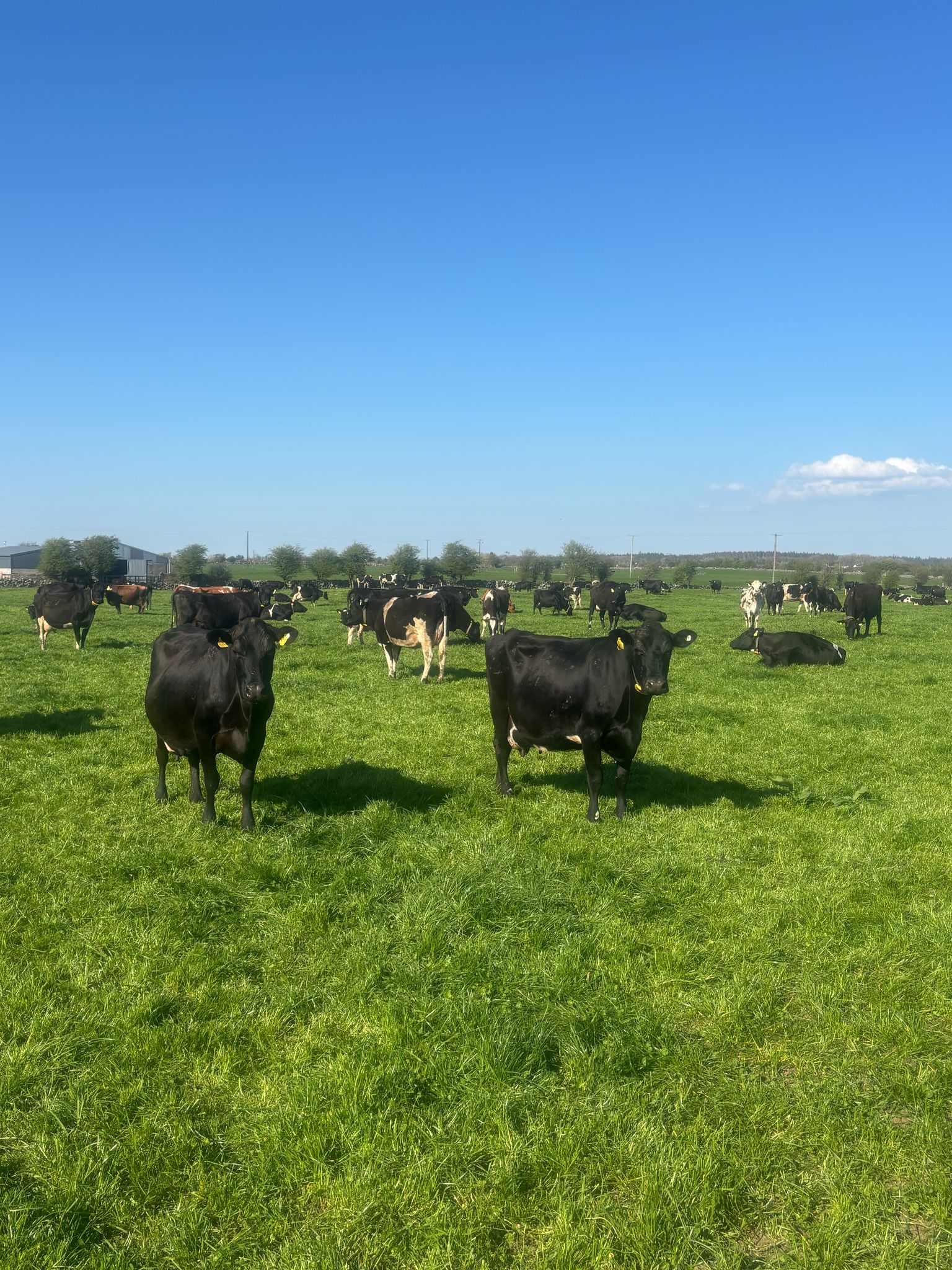
With warm weather forecast for the week ahead, fly control must be prioritised to keep the herd in healthy condition.
Flies are often the root cause of issues such as summer mastitis, which can be very costly, especially in a year like this where neither the weather or the milk cheques are playing ball.
Flies thrive in warm conditions, especially in the aftermath of heavy rain we have got.
As the temperatures now warm up, flies and insects will multiply and become increasingly hard to control.
This can be a real worry at this time of the year for in-calf heifers, as their teat ends become a target for the flies to feed off.
Animals on wetter paddocks can be at a real risk, especially if the ground is damp and swampy.
Summer mastitis
Summer mastitis is one of the main issues we see with flies; it is an acute disease of the non-lactating mammary gland and is mainly caused by the bacterium Trueperella pyogenes.
The disease mainly occurs in the June-September period affecting dry cows and in-calf heifers when fly numbers are at their highest.
The disease can severely damage the udder, cause high temperatures and toxaemia, and the infected quarters are generally lost.
The quarter becomes hard and and swollen and when it is stripped, it will be foul-smelling and the cruds that come out may appear clear or soft to cheesy. As the infection progresses, blood may be drawn.
If the condition is not as advanced, the infected quarter should be treated with intramammary tubes and the cow placed on a course of antibiotics.
In more severe cases, the cow or heifers should be placed on a course of anti-inflammatory drugs and in some cases, the vet will opt to amputate the teat to allow it to drain freely.
Either way, treatment is primarily focused on saving the animal and preventing pregnancy loss.
Prevention
Using dry cow tubes for more susceptible heifers might be an option, but severe care and hygiene is needed so that dirt is not introduced to the teat canal or the teat end is not damaged.
The use of teat sealers are also brilliant to minimise the disease, as the teat seal plugs the teat, preventing bacterial transfer from the environment and flies.
Teat sealers should be considered on heifers, even though you may need to organise a turn-over crate to get them done.
Using pour-on or other products to control flies near or around stock and to prevent summer mastitis is important. These products should be used as instructed to ensure maximum effectiveness.
Apply these along the back of the animal but no harm to direct some around the udder area as well. A number of these products will give cover for four weeks but may need to be applied more often if fly control proves difficult.
Ear tags containing Cypermethrin are also available for fly control, such as Flectron tags, which come in boxes of 10.
Once one tag is put into the cow’s or heifer’s ear, they are immediately effective and have a duration of four months.
Using Stockholm tar around the teats and udder at least once a week will help prevent flies, but in order for it to be effective, it has to be applied regularly.
Fields that are well-kept, with tight residuals and topping reduce habitats where flies can thrive, therefore reducing the risk.
Also, it is important to avoid letting dry cows and in-calf heifers in fields that have a history of summer mastitis, typically where there is marshy ground, is near a river, or has a large quantity of trees and hedges.