New study highlights ‘essential yet often unseen’ role of vets

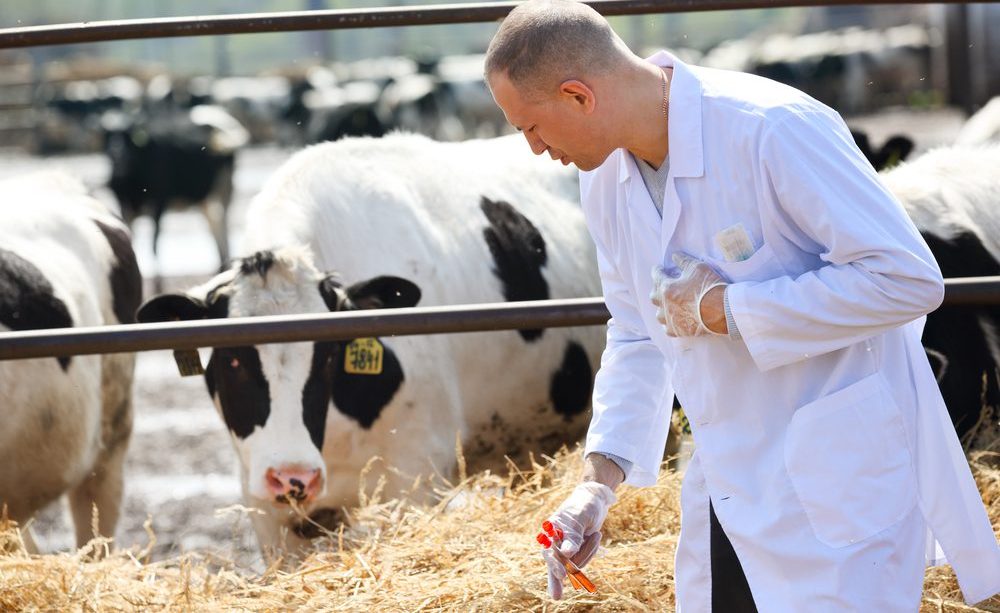
A new study of over 1,000 vets across 51 countries has outlined what is being called the “essential yet often unseen role” of veterinary care.
Pharmaceutical company Boehringer Ingelheim has published the findings of its new survey, which it says reveals the “often-overlooked aspects of veterinary care that are essential in protecting animals, people, and society”.
Drawing on responses from 1,046 qualifying veterinary professionals, the survey identified three of the “most important yet underrecognised” aspects of veterinary care.
These three aspects are: uncovering hidden health problems and pain; protecting food-chain safety; and surveillance programme to limit disease spread.
The latter two aspects of food chain safety and disease control were both cited as key overlooked aspects by vets that work with livestock.
Boehringer Ingelheim said the findings “underscore the far reaching role veterinary professional play in everyday life”, including safeguarding food products that “help feed 97% of the world’s population”.
The company noted that identifying health issues in animals and determining the course of action “relies on a depth of knowledge that isn’t always immediately obvious”.
Livestock veterinarians
65% of livestock veterinarians said that protecting food chain safety is the aspect of their work most likely to be overlooked; while 62% of livestock vets said that surveillance to limit disease spread was the most overlooked aspect of their work.
Boehringer Ingelheim said that livestock veterinary care has a direct and measurable impact on the food that people depend on every day, underpinning “around 34% of the global food protein supply”.
This is also important for public health, as 60% of human infectious diseases are known to spread between animals and humans, and 70% of emerging diseases originate in animals, the company said.
For equine veterinarians, 60% of them said that detecting hidden pain and subtle early disease signs was the most overlooked factor of their work, followed by using a horse’s environment and clinical history to detect risk (42%).
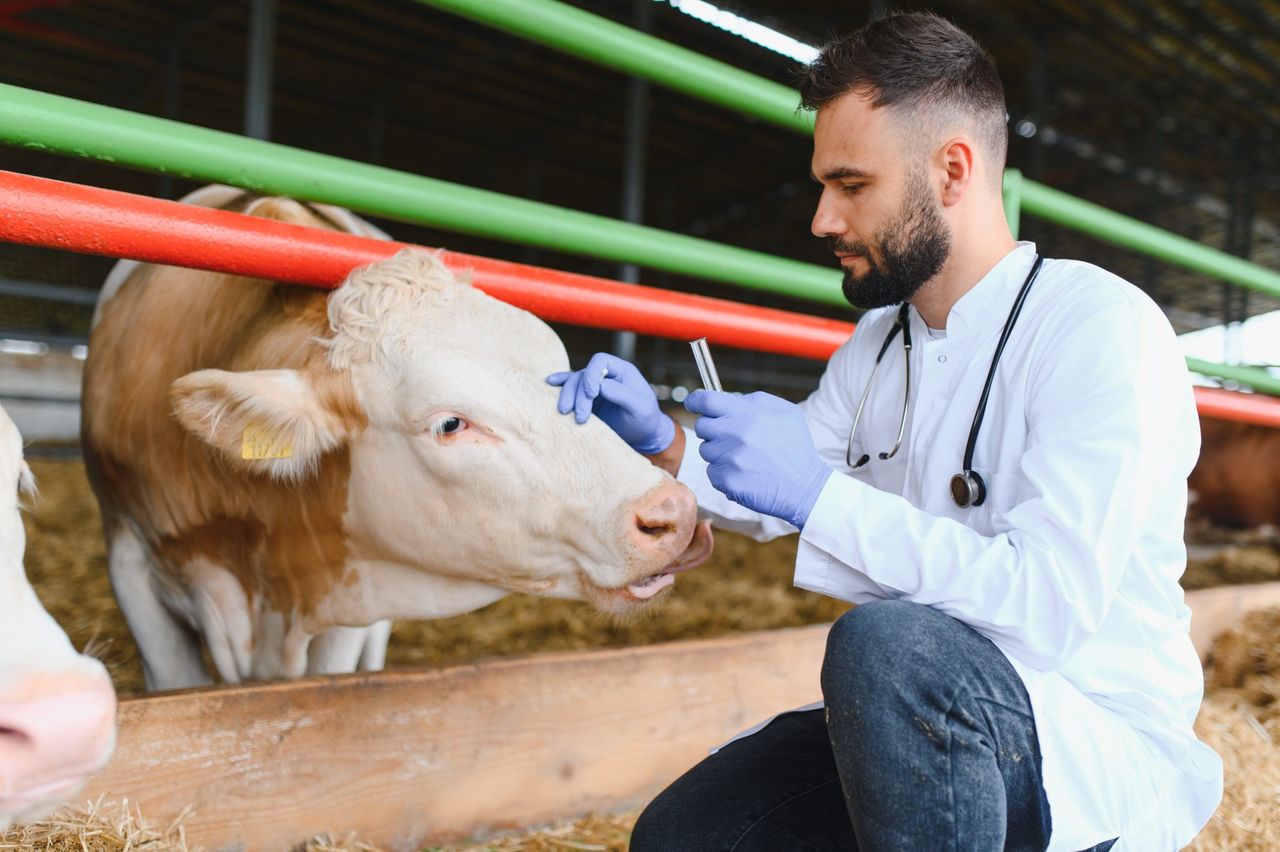
Commenting on the study finding, Claire Fowler, head of global strategic marketing for Boehringer Ingelheim Animal Health, said: “Every day, veterinarians make decisions that matter far beyond the consulting room, for the animals in their care, for the people who love them, and for the food systems and public health we depend on.”
Also commenting on the survey, Arcangelo Gentile, president of the World Association of Buiatrics (which is the study of cattle health) said: “Livestock veterinarians are guardians of our food supply and frontline defenders against the diseases that can cross from animals to people, yet this role is rarely visible to the public who depend on it most.
“Recognising it is not just a matter of professional pride; it is essential if we are to attract, retain, and support the veterinary workforce that global food security and public health are increasingly reliant on,” he added.