

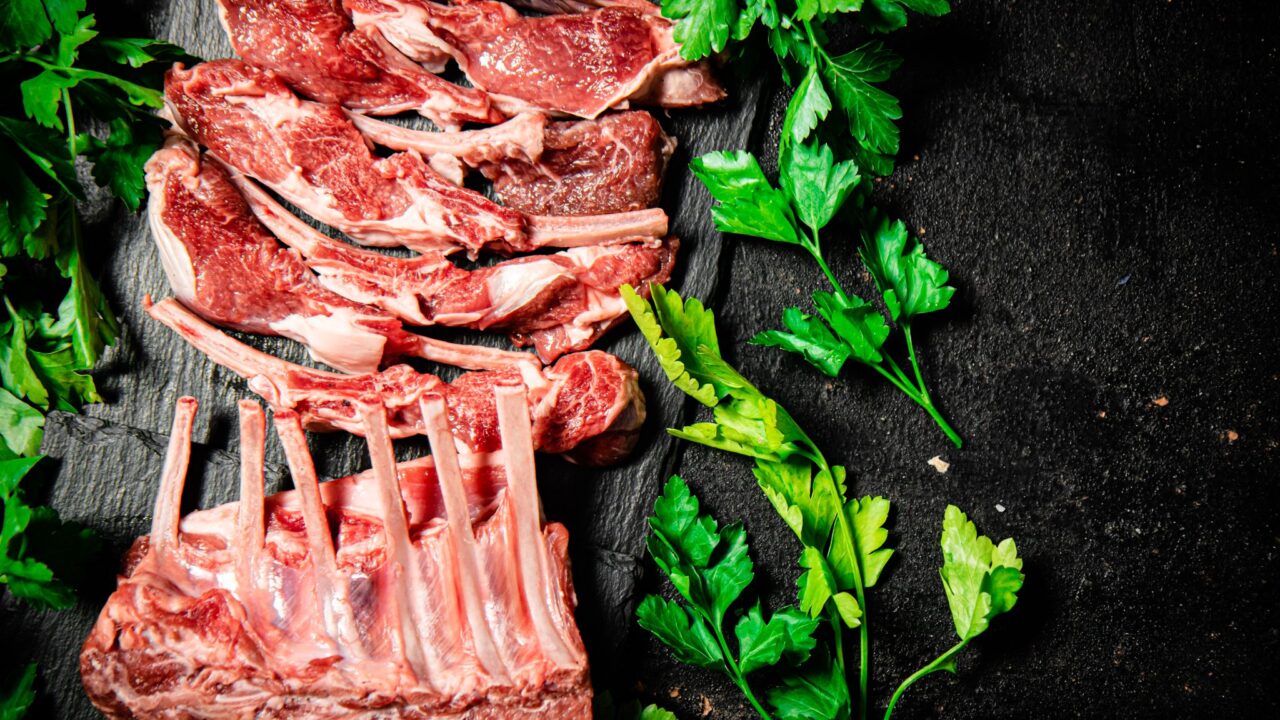
As the price difference between beef and lamb continues to narrow, shoppers are “beginning to change their buying habits”, according to the Agriculture and Horticulture Development Board (AHDB).
According to the Office for National Statistics (ONS) in the UK, retail lamb inflation reached 8% in December 2025.
This is 1% lower than the three-year average, Hannah McLoughlin, AHDB trainee analyst said.
Lamb products saw a 3.8% increase in volumes purchased, accompanied by a 5.4% increase in spend year-on-year, data from Worldpanel by Numerator shows.
Average prices paid increased by 1.6%.
Cheaper products
McLoughlin said: “This is a weighted average, which shows that shoppers are moving towards cheaper lamb products to counteract price rises.
“For the total lamb category, consumers have been turning away from discount stores and heading to major supermarkets instead.
“A rise in promotions at supermarkets has led to a decrease in average prices, attracting cost-conscious shoppers.
“Discounters, who are less reliant on promotions, have, therefore, seen a decrease in volumes purchased.”
Price gap narrowing
The price gap between the meats has been narrowing, the data shows, as “beef has suffered from average price increases and consumers have switched to cheaper protein options”, McLoughlin explained.
“The gap has gone from £2.13/kg at the start of 2023 to £0.59/kg at the end of 2025,” she said.
“Beef has lost volumes to consumers switching to cheaper proteins, lamb has gained from this.
“The biggest winners were pig meat and chicken as they are the cheapest protein options.”
Christmas
The lamb roasting joint category has seen a 12.2% increase in volume, followed by a 6.4% increase in spend and a 5.2% increase in average prices, the Worldpanel by Numerator research shows.
“Lamb sales soared during the Christmas period, with roasting joints performing particularly well,” McLoughlin said.
“There were more promotions during the Christmas period, and the average price per volume decreased by 7.8%. This resulted in an 18.3% increase in volumes sold.
“Premium tier roasting sales decreased, whereas standard tier roasting sales increased.
“This suggests consumers are looking for better value for money, as lamb remains one of the more expensive roasting options.”
McLoughlin added that lamb mince has “benefited from the rising price of beef mince and diced beef, and despite lamb being the most expensive mince, volumes are increasing”.
Opportunities
McLoughlin said there opportunities for retailers and meat suppliers.
“Promoting lamb’s taste, health benefits and convenient product options will help continue to drive volume increases,” she said.
“Targeting promotions on lower-performing cuts will help to increase sales, especially during seasonal celebrations when shoppers are more likely to treat themselves and trade up into lamb.
“Leverage the price gap with beef. With beef price inflation unlikely to ease in the near future, lamb may be seen as better value, creating an opportunity to increase retail demand.”
