

The Department of Agriculture, Environment and Rural Affairs (Defra) has confirmed that the number of bluetongue cases in Great Britain has risen to 284.
Defra has also detailed some of the “suspicious clinical signs” that have been identified in bluetongue cases.
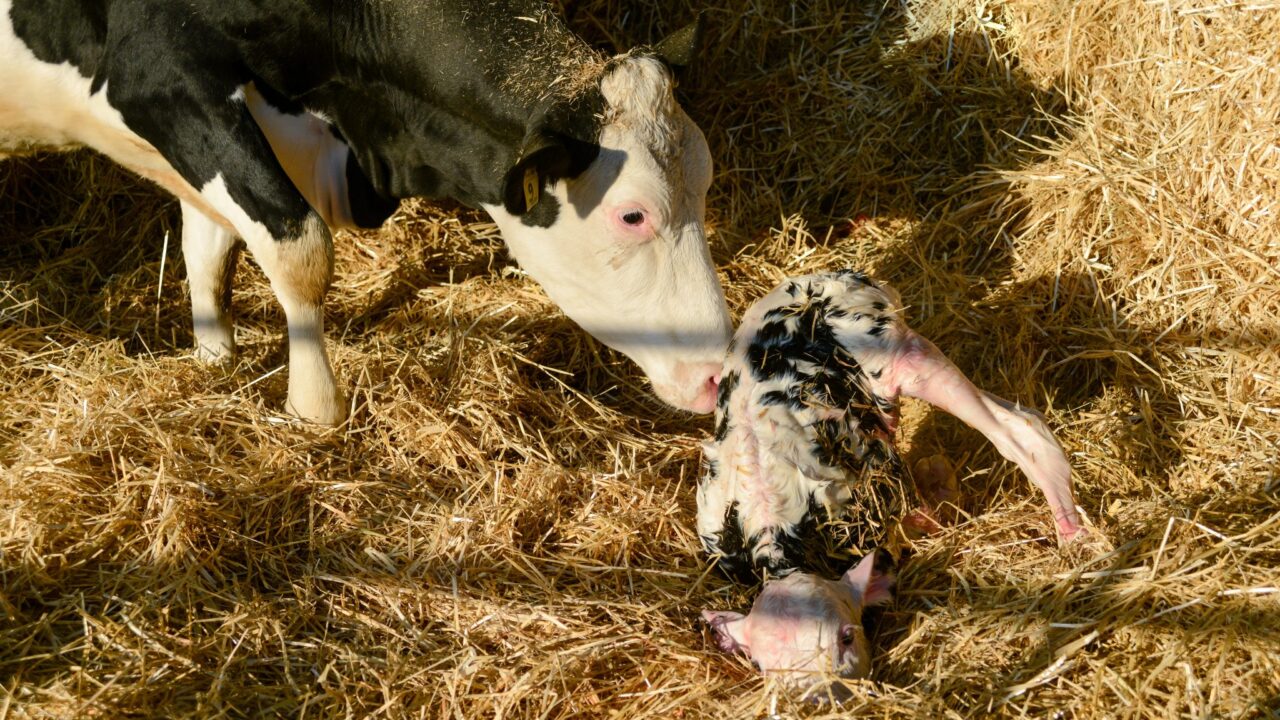
These include an aborted foetus, a five-day old calf with brain malformation; and two calves who were born with severe congenital problems, including blindness, circling, and inability to drink.
Bluetongue was also confirmed in three cows following a recent increase in abortions in the herd and a cow with diarrhoea, milk drop, drooling, and a swollen head.
Bluetongue
According to Defra, the whole of England is in a bluetongue restricted zone, while in Wales there have been 21 cases of the disease (BTV-3). In Scotland, no cases have been identified.
Separately it outlined that there are four confirmed bluetongue cases (BTV-3) in Northern Ireland.
Late last month, the chief veterinary officer for Northern Ireland confirmed the presence of bluetongue virus serotype 3 (BTV-3) at a premises near Portavogie, Co. Down.
According to the Department of Agriculture, Environment and Rural Affairs (DAERA) sheep are “most severely affected” by the disease.
It has also warned that cattle and goats which often appear healthy can carry high levels of the virus and “provide a source of further infection”.

Bluetongue transmission cycle. Source: DAERA
The department has urged farmers in Northern Ireland to “be vigilant”, especially in relation to sheep, and overall monitor their animals carefully.
There are currently five confirmed BTV-3 infected premises according to the department.
DAERA has also advised that all farmers should now be aware of the “clinical signs” of bluetongue.
In sheep, these can include:
- Fever;
- Swelling of the head and neck;
- Lameness;
- Mouth ulcerations;
- Drooling;
- Haemorrhages in the skin and other tissues;
- Respiratory problems;
- High mortality rate;
- Discoloration and swelling of the tongue which is rare.
Meanwhile, in cattle, clinical signs of bluetongue can include:
- Conjunctivitis (red and runny eyes);
- Nasal discharge;
- Swelling and ulceration of the mouth;
- Swollen teats;
- Swelling of head and neck;
- Tiredness;
- Saliva drooling from the mouth;
- Fever.
According to DAERA, “good biosecurity” should be practised by farmers at all times and “not just during a disease outbreak”.
