

The Department for Environment, Food and Rural Affairs (Defra) has revealed that it will be reintroducing the Sustainable Farming Incentive (SFI) in a “simpler, fairer and more stable” way by reducing the number of actions in the scheme and capping agreements at £100,000 per year.
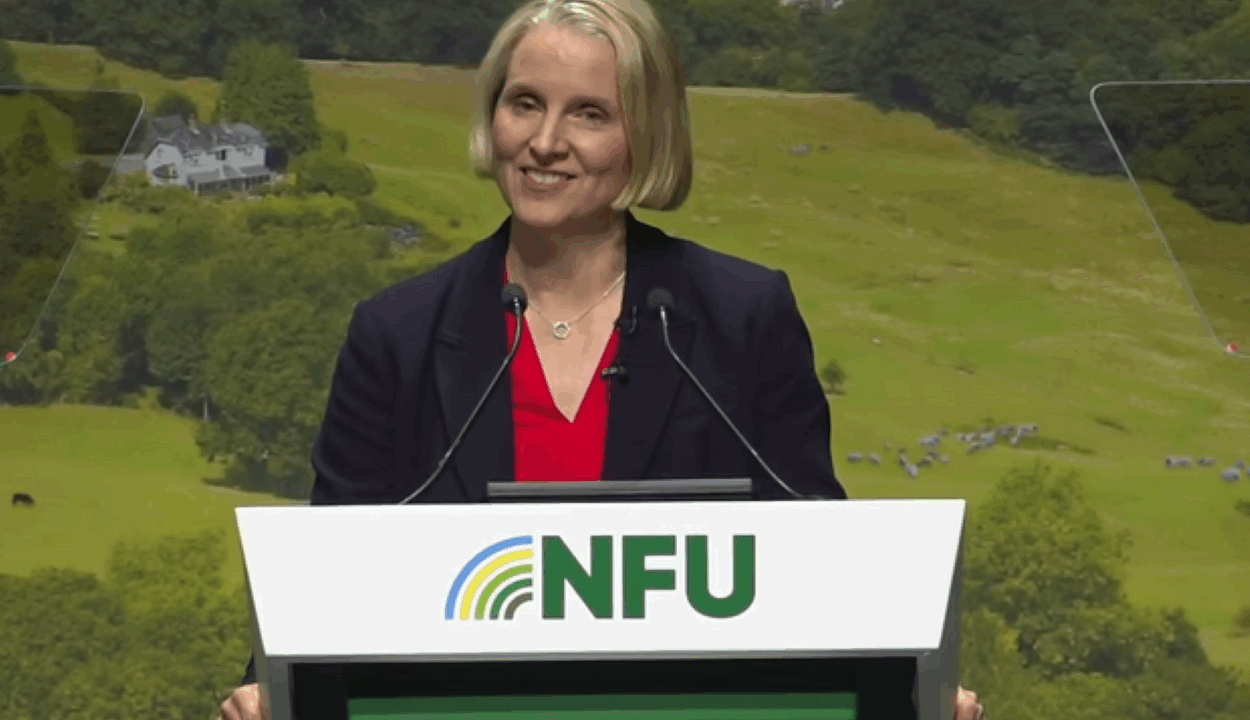
The details of the new SFI scheme were announced at the National Farmers’ Union (NFU) Conference by Defra Secretary of State, Emma Reynolds.
The government outlined that new version of the scheme will decrease the number of actions from 102 to 71, with some being removed as they “gave lower value for money or had low uptake.”
Defra stated that the agreement cap, which has been set at £100,000 per year, was selected as roughly 97% of farms already claim below this level.
The goal of the agreement cap is to “help ensure funding is shared more fairly and reaches more small and medium-sized farms,” according to the department.
SFI
When speaking at the Oxford Farming Conference last month, Reynolds noted that applications will open in June for small farms and those without a live Environmental Land Management (ELM) revenue agreement, with a second application window set to be available for all farmers in September,
Defra stated: “Clear budgets will be set for each window, and regular updates will be provided so farmers can see how much funding remains available.”
The department added that it will be reducing payment rates for the three highest uptake actions – herbal leys, winter bird food, and legume fallow – to hopefully “encourage farmers to choose a wider range of actions on the most productive land, whilst also keeping them in place for other areas.”
Funding
Alongside the SFI announcements, Reynolds unveiled several allocations that the government will be investing, such as the funding of £70 million for the Farming Innovation Programme.
Defra has allocated this sum to the programme to “move cutting-edge research into practical tools, allowing farmers to cultivate new crops that will help them to grow their businesses.”
The Farming Equipment and Technology Fund is set to receive £50 million in government funding, which will be distributed to farmers to allow them to invest in better farming equipment.

According to Defra, this increased funding in equipment will bring benefits such as improved productivity, better animal health and welfare, and more precise slurry management.
“From seed-planting robots which cut costs to pesticide spreaders that help reduce chemical use, the grants enable farmers to increase efficiency and sustainability – while supporting long-term food affordability,” the department said.
The Secretary of State also confirmed a new round of Environmental Land Management (ELM) capital grants opening in July 2026 with increased funding of up to £225 million available.
Farmers can apply for funding to plant hedgerows for biodiversity, new slurry storage tanks, introduce natural flood management measures, and new livestock equipment helping to improve water quality.
All the investments, including the new SFI scheme, announced by Defra at the NFU conference form part of an overall boost in funding of £345 million.