Boost winter dairy profits with correct concentrate feeding

Formulating the appropriate diet for the winter milking herd is essential for boosting margins in a year where costs have been high.
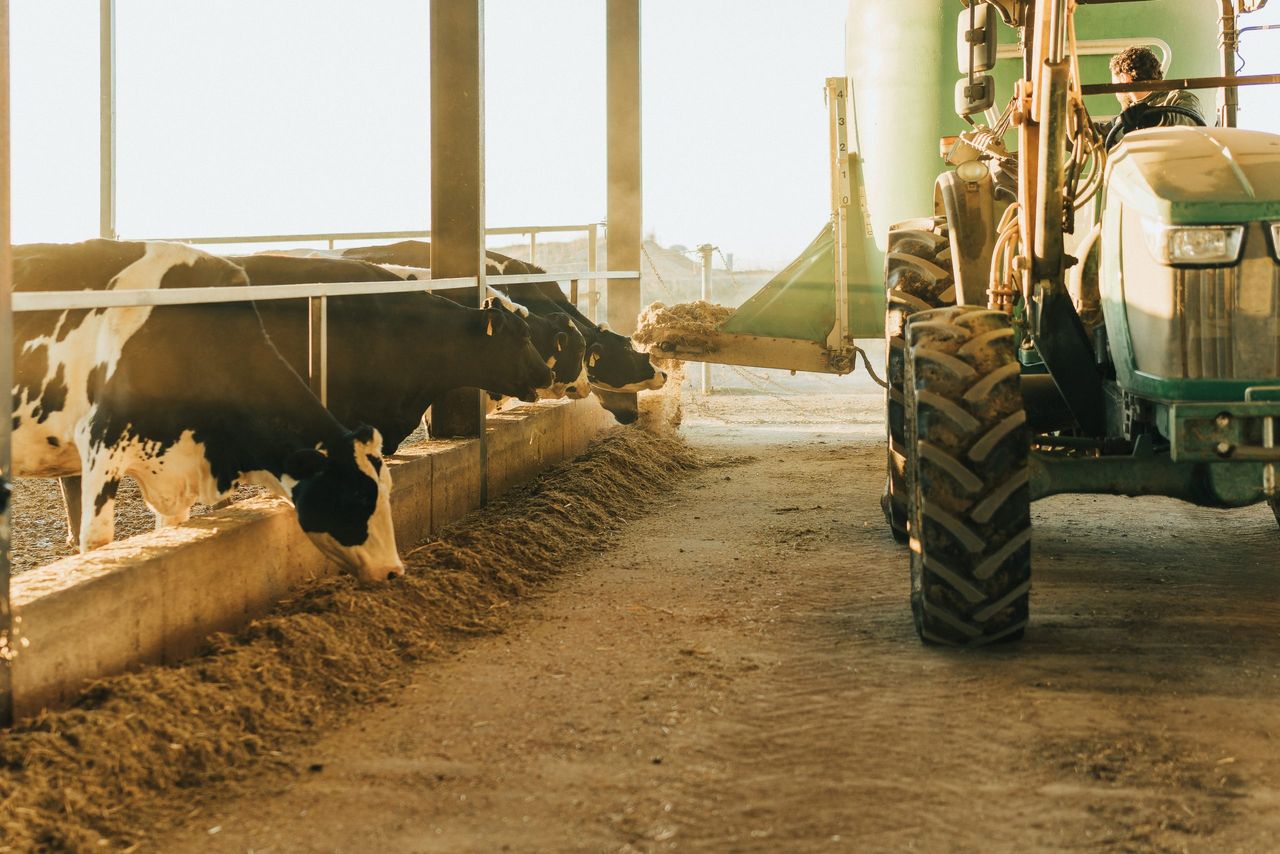
Concentrates play a significant role in winter-milking diets, especially when trying to stretch fodder, but it is important to play the balancing game, as excessive or over-feeding is wasteful and expensive.
Finding the 'sweet spot' is crucial as there will not be any additional benefit in production if you are overfeeding, but it will happily continue to burn a hole in your wallet.
Ideally, you should be formulating the diet to suit the lower yielding cows in the herd, adjusting it for silage quality, and feed your higher-yielding cows at a higher rate, if possible.
Winter-milk
Concentrates act as a substitute, so the more you feed the more the herd's forage intake will reduce, which will ultimately reduce the response rate of the concentrates.
This ends up being an expensive system because you are effectively substituting relatively cheap forage for an expensive concentrate.
Feeding less concentrates starts with having good quality silage to feed your milking cows, as less energy will be required to fill the gap in their diet.
You should test your silage as soon as possible to determine the nutritional value, which will enable you calculate the precise volume required to meet your herd's nutritional needs.
This will help you formulate a plan for winter and save unnecessary spending on concentrates.
The Teagasc recommendation for concentrate feeding levels at different levels of silage quality and different yields, are as follows:
| Milk yield | 65 DMD | 70 DMD | 75 DMD |
|---|---|---|---|
| 20L | 5.5kg | 4.0kg | 3.0kg |
| 25L | 8.0kg | 6.5kg | 5.5kg |
| 30L | 10.0kg | 8.5kg | 7.5kg |
| 35L | 12.5kg | 11.0kg | 10.0kg |
High dry matter digestibility (DMD) silage leads to increased forage intake, which in turn drives milk solid production and boosts rumen function.
The typical 600kg cow will require 7.5kg of concentrate to produce 30kg of milk on 75% DMD silage, whereas that requirement would be 10kg if the silage was 65% DMD.
Typically, every five unit drop in DMD will require 1.0-1.5kg in extra concentrates to compensate for the lower energy level.
Cows producing a high volumes of milk will require more energy than those producing low volumess.
Therefore, every diet needs to be adjusted, which can be achieved by dividing the animals into groups.
Poor silage quality will lead to reduced intake levels and can also alter neutral detergent fibre (NDF) levels in the diet.
This means additional fibrous feeds such as straw will be needed.