New guidelines on potash needs for potato crops released

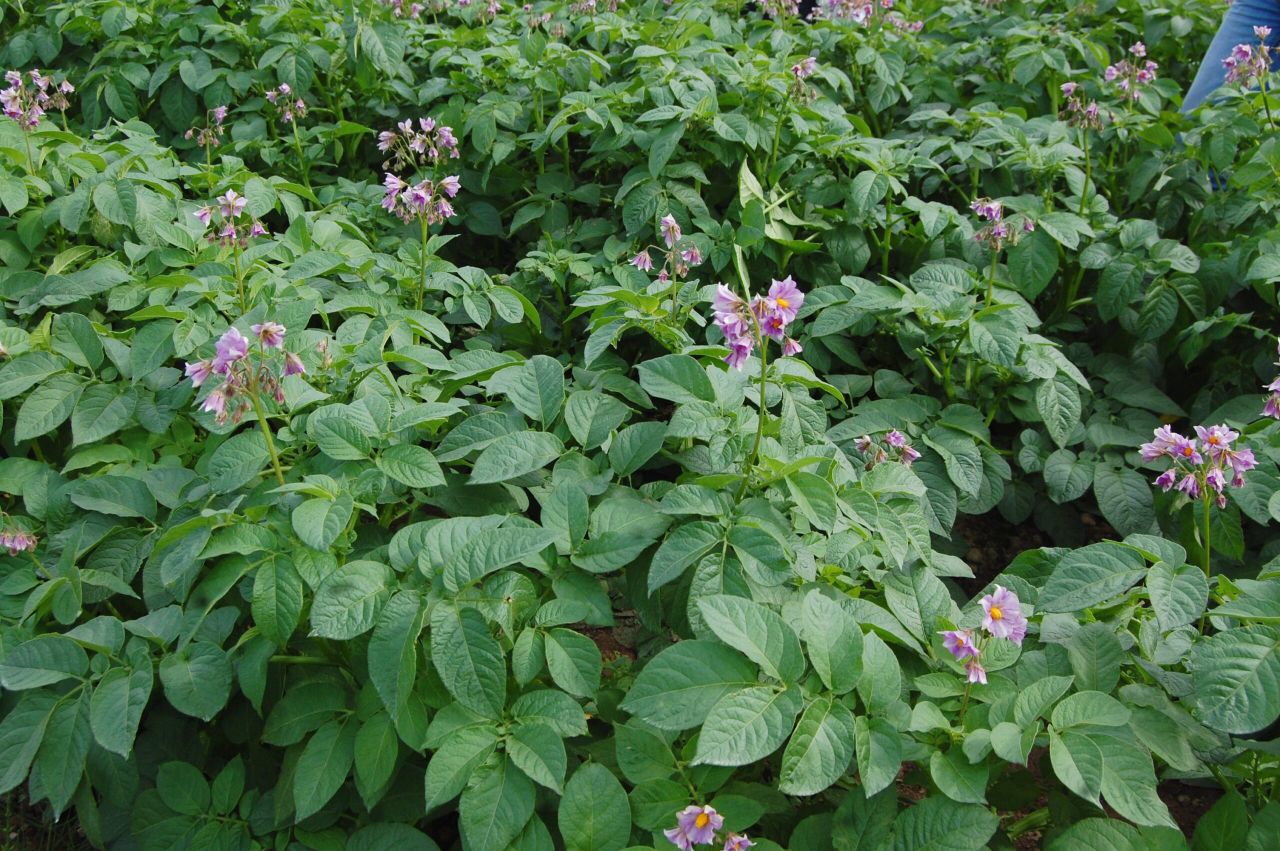
The Potash Development Association (PDA) has published a number of new nutrient considerations for the growing of potato crops.
According to the PDA, potatoes need an amount of potash in the soil that can satisfy both the peak rate of demand during early vegetative growth and the total uptake in late summer.
Where soil reserves are insufficient to meet either of these two requirements, the soil supply needs to be supplemented by adding potash in fertiliser or manure.
However, these additions may not be as efficient in providing potassium (K) as the reserves in the soil.

Long-term experiments have shown that yields from impoverished soils are unlikely to match yields on fertile soils even if large amounts of potash fertiliser are applied.
In addition, it can take several years to improve a soil with a low potash status once soil potash reserves have been run down.
Calcium for potatoes
Calcium is a somewhat overlooked nutrient for arable crops, except perhaps for its role in soil structure and through its link with the liming properties of limestone.
Potatoes are the one crop where the importance of calcium is better understood, through its impact on tuber quality.
Calcium plays a role in the maintenance of healthy cell walls, thereby reducing the incidence of the internal brown spots within tubers known as internal rust spot.
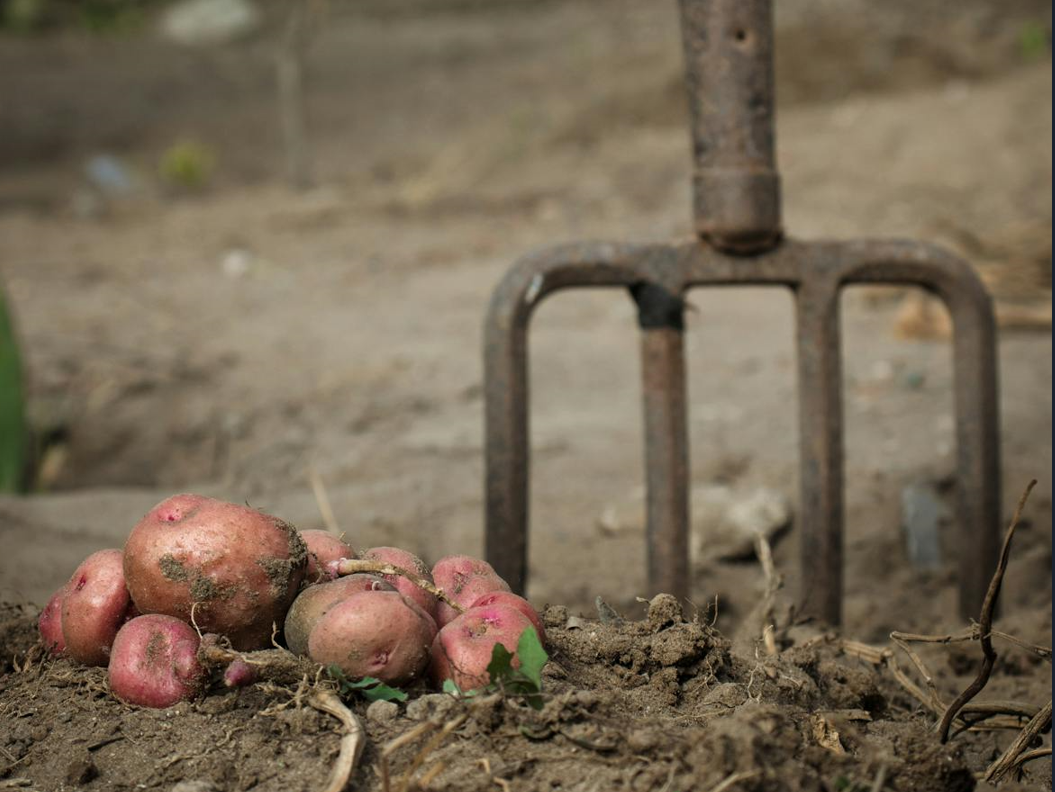
The maintenance of healthy cell walls also helps to improve skin finish and protect against physical tuber damage at harvest and during storage.
Another important role of calcium, again linked to cell wall strength, is the protection against pest and specifically disease as thinner, weaker cell walls are more likely to lead to attack from disease.
There are reports of beneficial effects from the application of a non-liming source of calcium to potatoes.
Magnesium for potatoes
Magnesium is a key nutrient for all crops due to its role in photosynthesis, being part of the chlorophyll molecule.
It is also involved in the production and use of carbohydrates, helping transport them from the leaves down to the tubers.
Deficiency symptoms are likely to develop in the older leaves nearer the base of the plant as the nutrient is mobile in plants and is therefore able to move to areas of new growth when uptake is limited.

A deficiency of magnesium can reduce crop productivity long before visual symptoms can be seen.
An inadequate supply will result in reduced root growth as well as lowering the chlorophyll concentration of the plant, reducing the photosynthetic rate.
Potassium/magnesium imbalance
There is some evidence that potash availability and uptake can be reduced on soils where magnesium levels are excessive, even though the level of soil potash may not be limiting.
This situation is most frequently associated with long-term use of magnesian limestone to correct pH.
It is suggested that where the soil concentration of magnesium is more than double that of soil K, potash applications may need to be increased above the normal recommended rate to achieve adequate potash nutrition of the crop.