Sheep farmers warned blowflies 'do not read the calendar'

Farmers are being recommended to remain vigilant of blowfly strike in sheep as the warm dry summer has led to a shift in damp conditions.
According to the Sustainable Control of Parasites in Sheep (SCOPS). the above average temperatures in September and October has caused flies to remain active longer than they usually would.
Blowfly strikes tend to occur on wet or dirty fleeces but can also develop on sheep that are scouring, have daggy back ends, wounds, footrot, or reduced mobility.
Treatment
According to SCOPS, this is the perfect time of year to review fly control plans.
Sheep that should be looked at in particular are those that were treated earlier in the summer as preventative products may be near the end of their protection period.
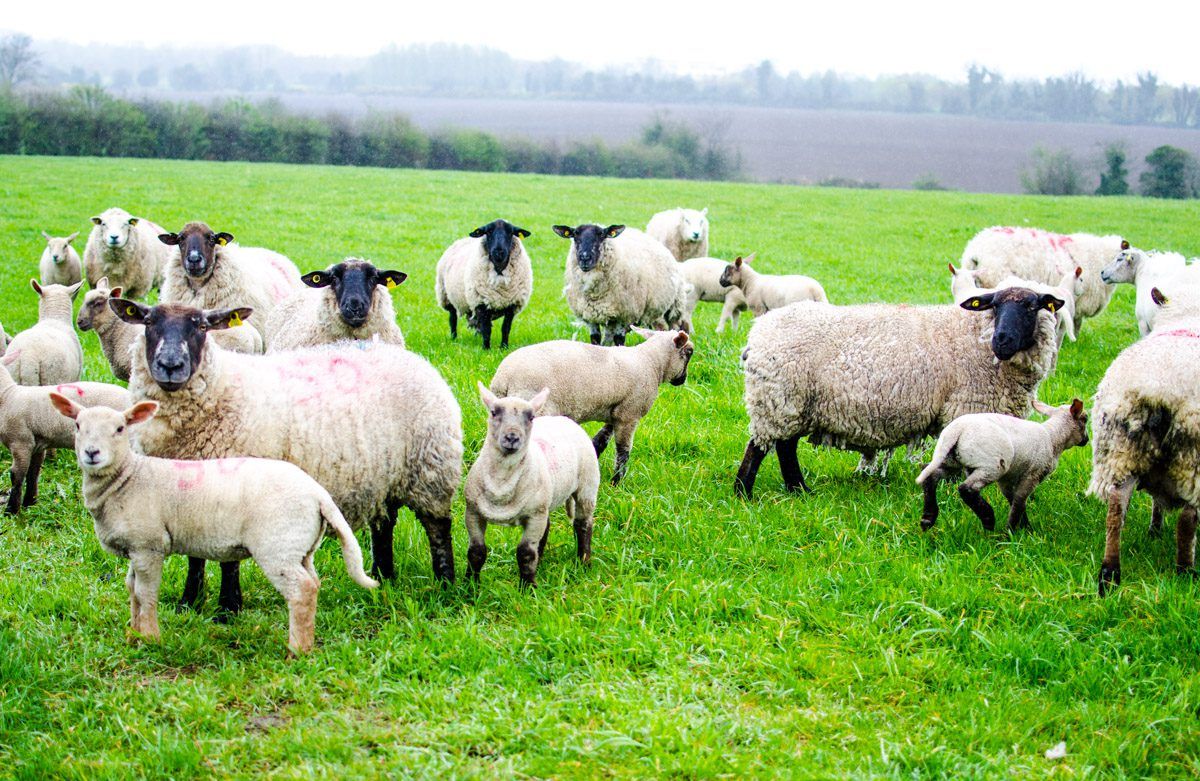
SCOPS advised farmers to check treatment dates, product persistence, and at-risk groups in order to identify where additional monitoring may be needed.
Technical adviser for SCOPS, Nerys Wright said that blowfly reports are still being received across the country
She explained: “It is easy to assume the risk is over once we move into autumn, but the combination of recent rain and temperatures that are still relatively mild for the time of year means blowflies remain a real threat in many areas.”
Management
Autumn management remains critical in preventing the rise of blowfly strikes, according to SCOPS.
As other diseases such as gut worm have also experienced extended seasons due to warmer temperatures, now is a timely reminder that challenges are now extending longer into the year.
Deputy chair of SCOPS and sheep farmer Olly Matthews said: "From a practical farming perspective, this is the time of year when it's tempting to think blowfly season is winding down, but sheep and flies do not read the calendar.
"If conditions suit, strike can still occur."
SCOPS advised farmers to continue using faecal egg counts (FECs), alongside monitoring lamb growth rates and ewe body condition as this can help identify when treatment is needed.
Lambs in particular should be monitored if they are not performing as expected.
Farmers should also look out for clinical signs as well, since worm egg counts do not always determine infection.
Post-mortems can also be a valuable way of understanding the disease and determine appropriate action.