How carcass prices affect supermarket prices – and what it means for farmers

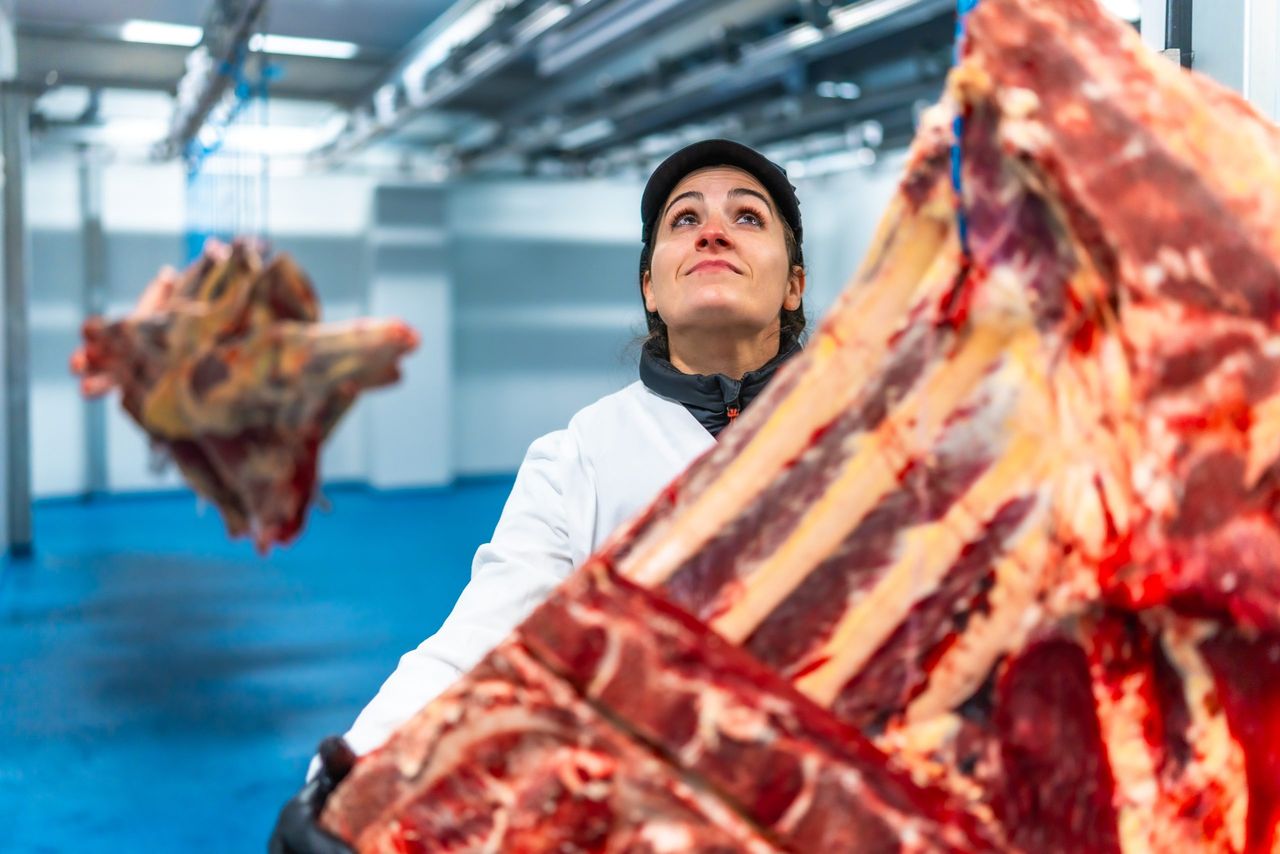
Farmgate and retail beef prices are linked - but falls in farmgate prices can take time to appear on supermarket shelves.
Agriculture and Horticulture Development Board (AHDB) trainee analyst Sebastian Abbott has looked at how cattle carcass prices affect supermarket prices, and what this may mean for farmers.
"With carcass prices down on last year and well back from the peak in April 2025, our analysis suggests that retail beef prices may start to fall," Abbott said.
"Although, other factors such as higher energy, labour and transport costs could keep prices above previous levels."
Record highs
Great Britain deadweight cattle prices reached record highs in 2025, peaking at over 700p/kg, according to Abbott.
He outlined that since then, prices have steadily fallen, levelling out at around 600p/kg.
"Retail prices, however, haven’t followed this trend," he said.
"This is because it takes time for price changes to move through the supply chain, from processors and packers to distributors and retailers.
"Retail prices are also affected by many other costs, including energy, labour and transport, not just the price of cattle.
"The gap between cattle prices and retail prices can raise concerns over market fairness in the supply chain."
Abbott said, however, some of these concerns may be explained by time it takes for prices changes to pass through the supply chain, as well as the multiple shocks to energy prices, which have in turn increased costs for every stage of the supply chain.
Rump steak
To understand how closely farmgate cattle prices are linked to retail prices and how long it takes for price changes to reach consumers, Abbott said an econometric model was used.
The model compares the UK all-prime overall carcass price with average retail prices for rump and beef mince.
It also takes into account other factors in the supply chain that affect prices, including global beef prices, energy costs and labour.
"Due to limited data availability, the analysis covers January 2014 to January 2025 and does not include the major price changes seen in 2025 or reflect the current market situation," Abbott explained.
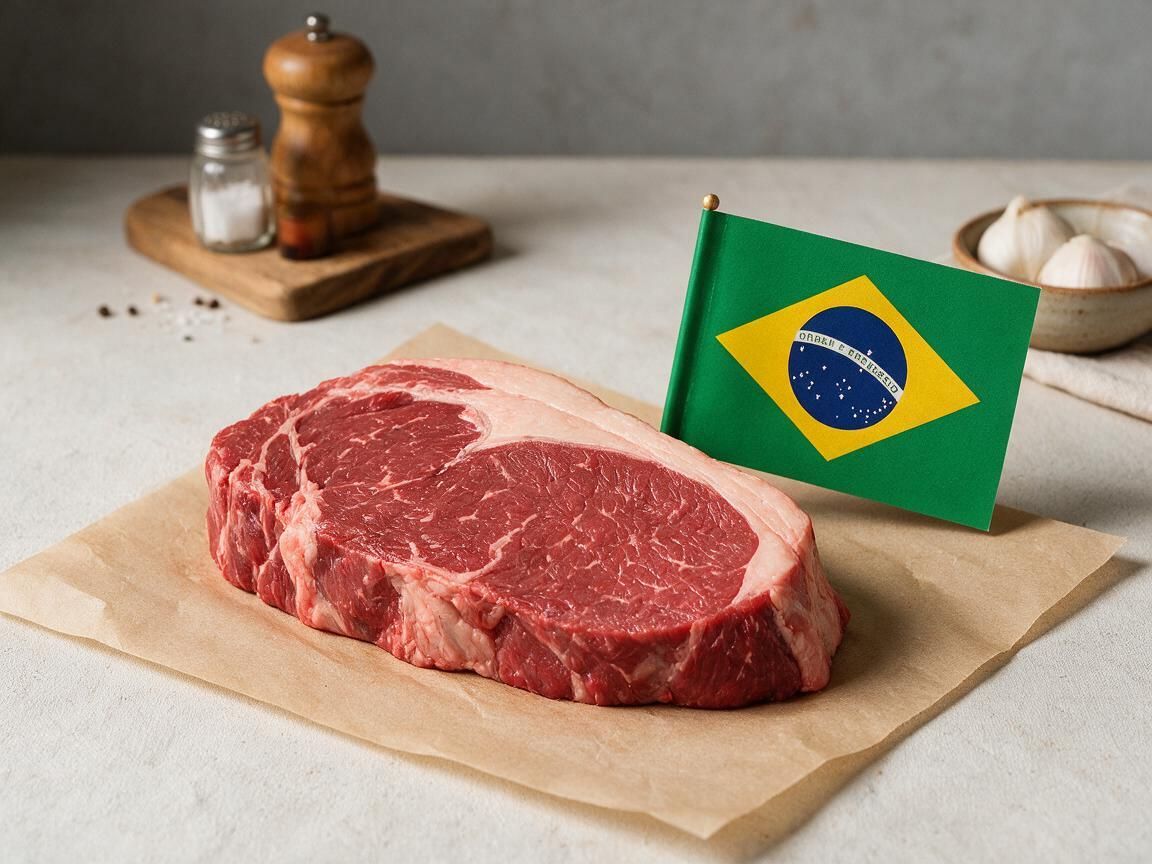
"Because rump steak is one of the less processed cuts, the link between carcass price and retail price is easier to see.
"The model estimates that if carcass prices rise by 10%, retail rump steak prices will go up by between 3% and 6.5%.
"However, this adjustment happens gradually over the following eight to 12 months."
Abbott said for mince, the link is weaker.
He explained: "Mince is a product shoppers can easily compare between supermarkets and is often used to attract them into stores.
"Because of this, retailers absorb some of the carcass price increases rather than pass them on.
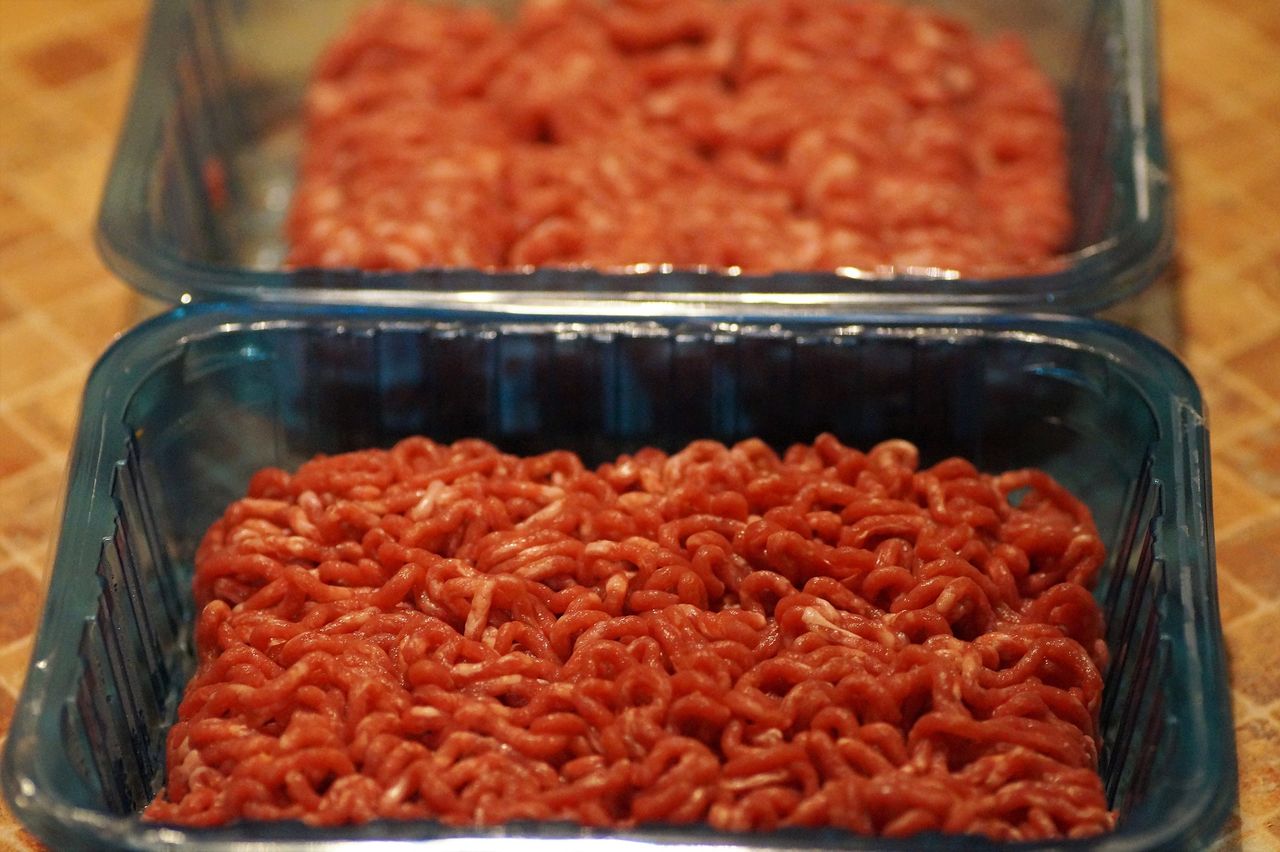
"The model suggests that a 10% rise in farmgate carcass prices is linked to a 3% increase in retail mince prices.
"These price changes take longer to work through the supply chain than they do for rump steak, often taking over a year to be reflected in shop prices."
Abbott said that looking at both rump and mince in the period studied, there is no statistical evidence that retailers consistently raise prices quickly when farmgate prices go up - but are slow to reduce them when prices fall.
Lag
Abbott said recent peaks and troughs in cattle prices have made the lag between farmgate and retail prices far more noticeable.
"When carcass prices fall sharply but supermarket prices stay the same, it can appear that retailers are failing to pass reductions on to shoppers.
"However, our analysis suggests this is mainly because it takes time for price changes to work their way through the supply chain, rather than because retailers are quick to raise prices up and slow to cut them.
"Understanding this delay helps producers set realistic expectations of when farmgate price changes will be reflected in shop prices and where any genuine concerns about market fairness should be focused," he said.
Buying less beef
Abbott said that high beef prices in shops are leading some consumers to buy less beef.
As a result, the amount of beef sold through retailers has fallen compared with the same period last year, based on the latest 12-week figures.
According to AHDB, demand has slowed even though promotions have returned.
"After scaling back promotions to offset rising wholesale costs, retailers and processors are increasing beef offers, with promotional volumes now running ahead of last year," Abbott said.
"The recovery has been most noticeable in primary beef cuts, with more sold on promotion than during the same period last year.
"The level of investment in promotions appears to be similar to last year."
Sales
The renewed focus on promotions may reflect changing market conditions, Abbott added.
"As deadweight cattle prices have started to fall, retailers may have greater scope to offer discounts and deals, helping to encourage consumers to buy more beef after a long period of high prices reducing sales.
"Despite these challenges, the share of retail beef sales accounted for by British beef has remained stable over the past year.
"With carcass prices peaking near 700p/kg in April 2025 before settling at around 600p/kg, much of the upward price transmission to retail has likely already taken place, meaning beef prices in shops could begin to ease," he said.
Higher level
Abbott said that just as price increases have been slow to feed through, any reduction is likely to be equally delayed.
He added: "Rather than falling sharply, beef is more likely to settle at a new, higher level.
"Energy, labour and transport costs remain significant price drivers, so even as cattle prices fall, these broader pressures could keep shelf prices high.
"Instead of cutting prices, retailers may simply hold them steady while other costs continue to rise, offering shoppers gradual relief without any fall in the shelf price."