

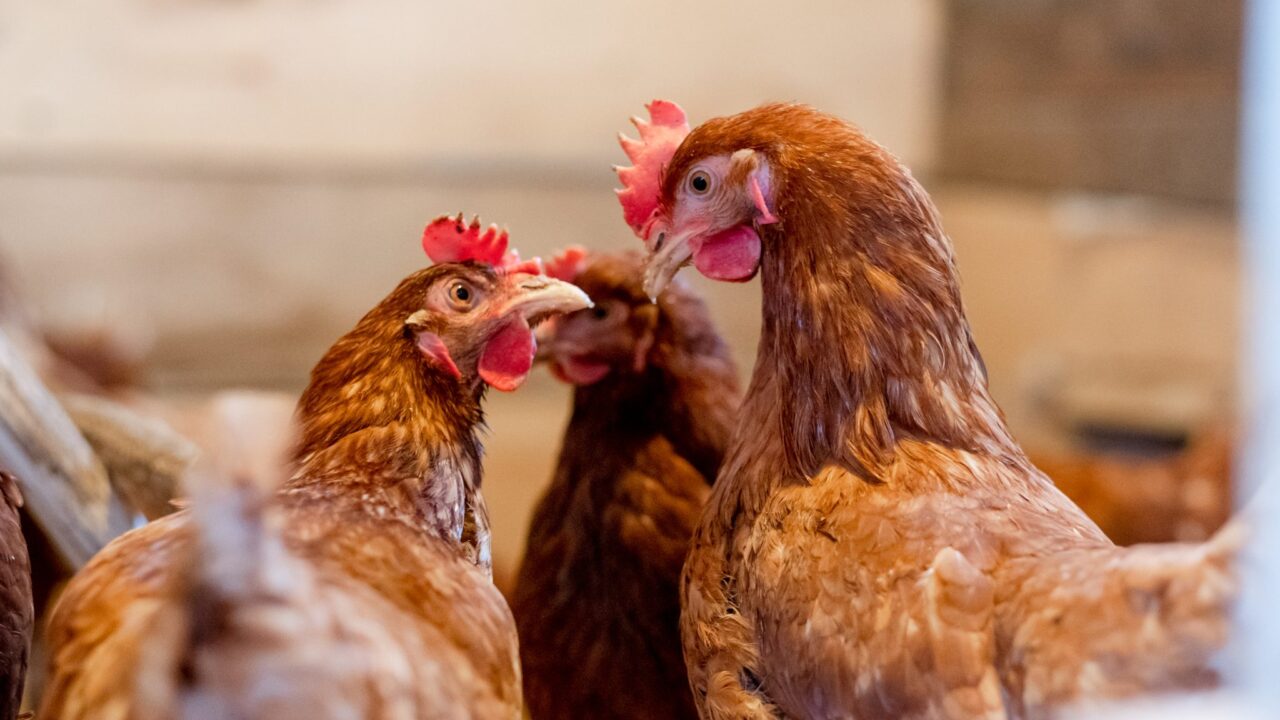
Protecting sperm storage may be key to reversing poultry fertility decline.
Researchers have outlined how specialised tubules in a hen’s oviduct sustain sperm and how management practices could safeguard hatchability.
To address a projected decline in poultry fertility, a review explores how hens’ store sperm in specialised sperm storage tubules (SSTs) at the uterovaginal junction (UVJ) of the oviduct.
It highlights evidence that fatty acids, exosome signaling, hormones, and immune tolerance help maintain sperm viability.
The researchers have suggested that safeguarding SST function may help refine artificial insemination (AI) practices and improve hatchability and reproductive performance to meet global food demands.
Poultry fertility
Declining fertility is a pressing concern for the poultry industry, with projections indicating hatchability rates of broiler chicken eggs could fall to approximately 60% by 2050.
A central factor influencing this decline appears to be the loss of function in the sperm storage tubules (SSTs), specialised structures located at the UVJ of the hen’s oviduct, where sperm can survive for weeks.
This duration, which varies by species and is directly correlated with fertility, spans two-three weeks in chickens, 10–15 weeks in turkeys, and one-two weeks in Japanese quail.
Disruption of SST function, often associated with frequent artificial insemination, can lead to a significant drop in fertility.
A recent review published in The Journal of Poultry Science examines the mechanisms that enable prolonged sperm survival within SSTs.
The researchers, led by Professor Emeritus Yukinori Yoshimura, Hiroshima University, Japan, focus on the potential role of nutrients such as fatty acids released by SST cells, the function of tiny extracellular vesicles called exosomes, the influence of reproductive hormones, and the balance of the local immune environment.
Prof. Yoshimura said: “Because the duration of sperm survival in the oviduct is closely associated with fertility, understanding these mechanisms is essential to improve fertility and reproductive performance.”
Research
In poultry, sperm are stored in the SSTs at the UVJ and released gradually to fertilise the ovum at the infundibulum, the first segment of the oviduct.
Research suggests that SST cells may help nourish sperm by supplying fatty acids.
These cells are rich in lipid droplets, and experiments have shown that fatty acids such as oleic and linoleic acid can improve sperm survival in laboratory conditions.
Evidence also indicates that the expression of an enzyme called adipose triglyceride lipase was upregulated in SSTs cells after insemination, possibly breaking down stored lipids so that supportive fatty acids can be released into the tubule lumen where sperm reside.

Another survival mechanism involves exosomes, tiny packages released by SST cells that may transfer materials to sperm.
Observations of lipid-containing blebs stemming from SST cells and fusing with sperm membranes suggested a direct delivery system.
Furthermore, markers for exosomes have been detected inside SSTs where sperm are stored, supporting the idea that these vesicles may deliver compounds that help sustain sperm, according to the reseachers.
Beyond supporting sperm themselves, the integrity of the SSTs is reportedly also crucial.
The review describes how progesterone and oestrogen receptors within SST cells are thought to regulate their development and function, with oestrogen playing a particularly important role.
Sperm survival
Frequent insemination has been associated with reduced oestrogen receptor expression in the UVJ.
This is considered a change that could weaken SST structure and shorten sperm survival.
The local immune balance is equally critical. While sperm must be protected from pathogens, they also need to evade the hen’s immune system to survive.
The review highlights evidence that the UVJ actively creates a tolerant environment after mating.
Key immune response genes are downregulated, and molecules which can suppress immune reactions, increase in the presence of sperm.
This careful immune modulation appears vital for allowing sperm to remain in storage without being attacked.
Together, the evidence highlights the need to preserve normal SST function.
Structural damage, altered hormone signaling, or heightened immune activity may shorten sperm lifespan and, in turn, reduce hatchability.
“These findings suggest that repeated insemination should be optimised to prevent immunological damage and abnormalities in SST function in association with oestrogen receptor reduction, so that sperm may be retained in the SST, resulting in better fertility,” Prof. Yoshimura said.
Related Stories

Minister called on to introduce new bird flu compensation scheme

3 flocks identified as salmonella positive last year, down 75% from 2024

France to launch economic aid for farms impacted by bird flu
.editor-styles-wrapper .wp-block-acf-related-stories-block {
max-width: 960px !important;
background-color: var(–color-gray-default);
padding-inline: 40px;
padding-top: 8px !important;
padding-bottom: 20px !important;
}
