Is taking a phosphate and potash holiday worth the risk on tillage farms?

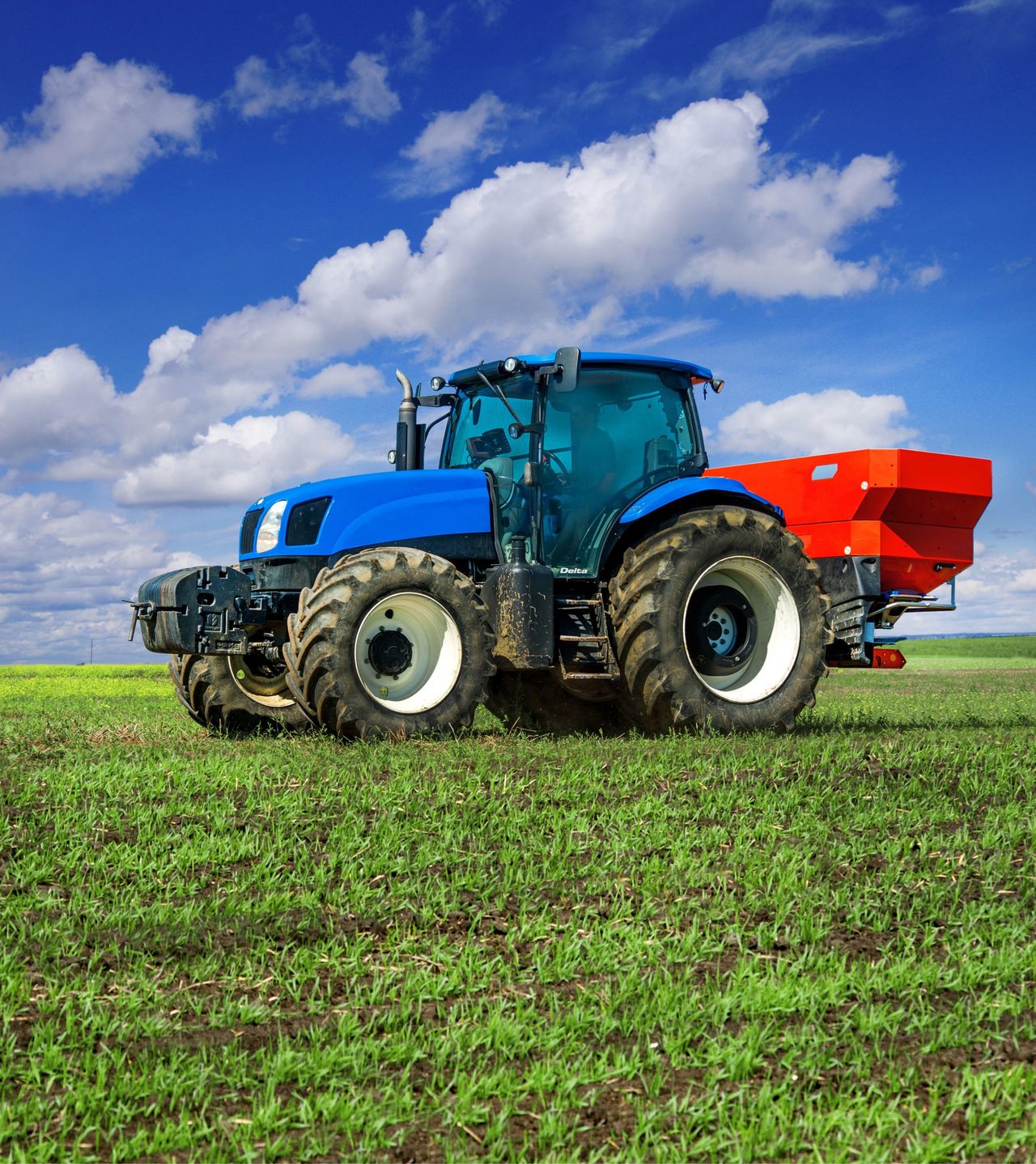
Given the continuing pressure on margins, some tillage farmers might be thinking of taking a phosphate and potash holiday in 2026/2027.
But is such an approach really worth the risk?
According to the Potash Development Association (PDA), growers may not see a discernible fall-off in yields if they are starting from a point where field nutrient reserves are adequate.
Specifically, where potash is concerned, factors kicking into play include crops’ ability to access soil reserves.
Also to be considered are seasonal variation in yields, caused by differences in the weather and the incidence of pests and diseases that change the amount of K taken off in the harvested produce;
In addition, effects of soil cultivation and uptake of some potassium from the subsoil by deep-rooted crops like winter wheat.
Potash and yields
But, in the longer term, declining soil potash levels will inevitably result in declining yields.
This has been demonstrated many times in long-term field experiments at Rothamsted in the UK and elsewhere.
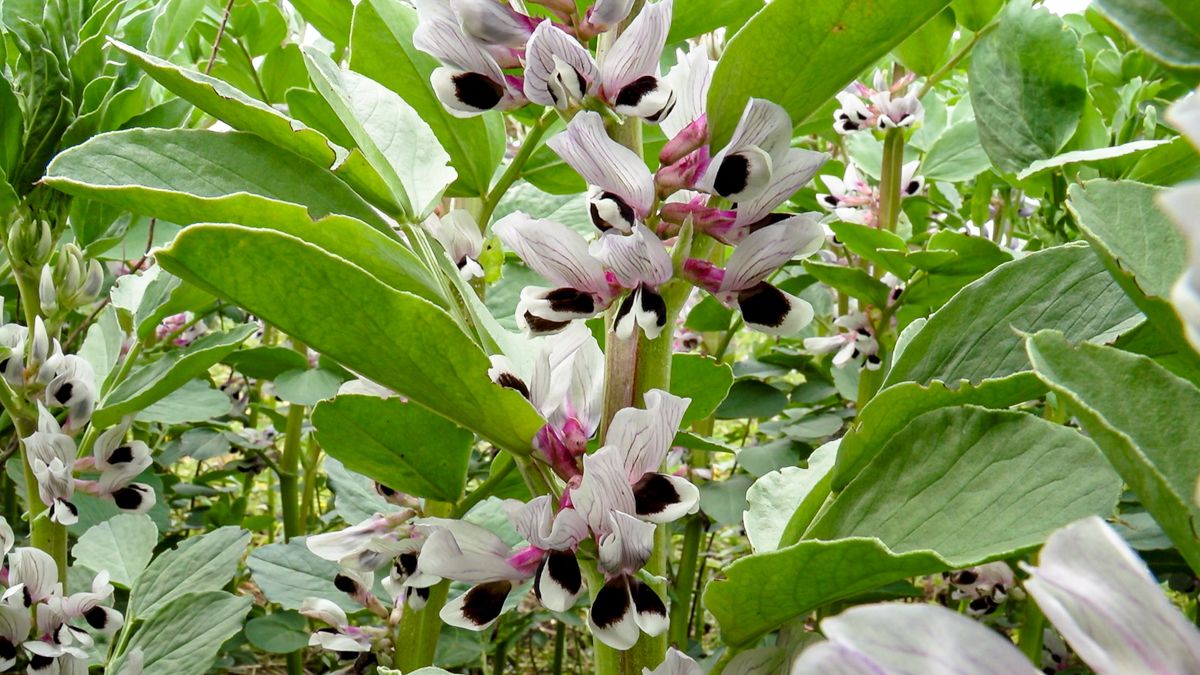
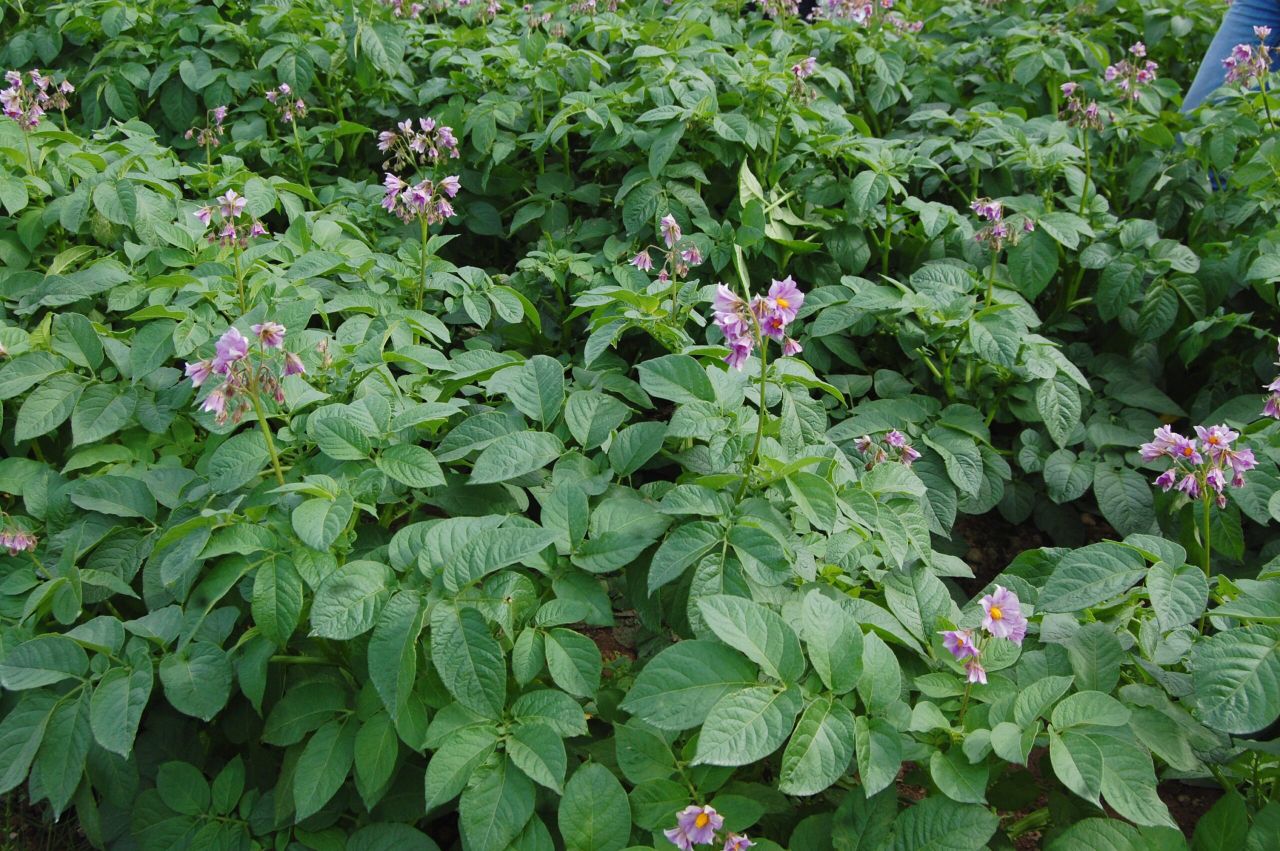
The biggest effects are seen in those crops that need most phosphate and potash or have poor root systems that are unable to exploit soil reserves effectively, such as potatoes or beans.
Where soils have been left to fall below the target index, applying fresh phosphate or potash fertiliser did not increase crop yields to equal those obtained on a soil with an adequate amount of available nutrient.
Trials carried out on multiple crops have shown this to be the case.
Crop margins
But loss of yield is not the only result of potash deficiency in soil.
A lack of the nutrient results in a range of outcomes, all of which have a direct bearing on final crop margins.
For example, any shortfall in soil potassium levels can lead to the inefficient use of other nutrients, especially nitrogen.
This is direct a financial cost to the farmer with the added risk of environmental pollution through nitrate leaching and emissions of nitrous oxide to the atmosphere.
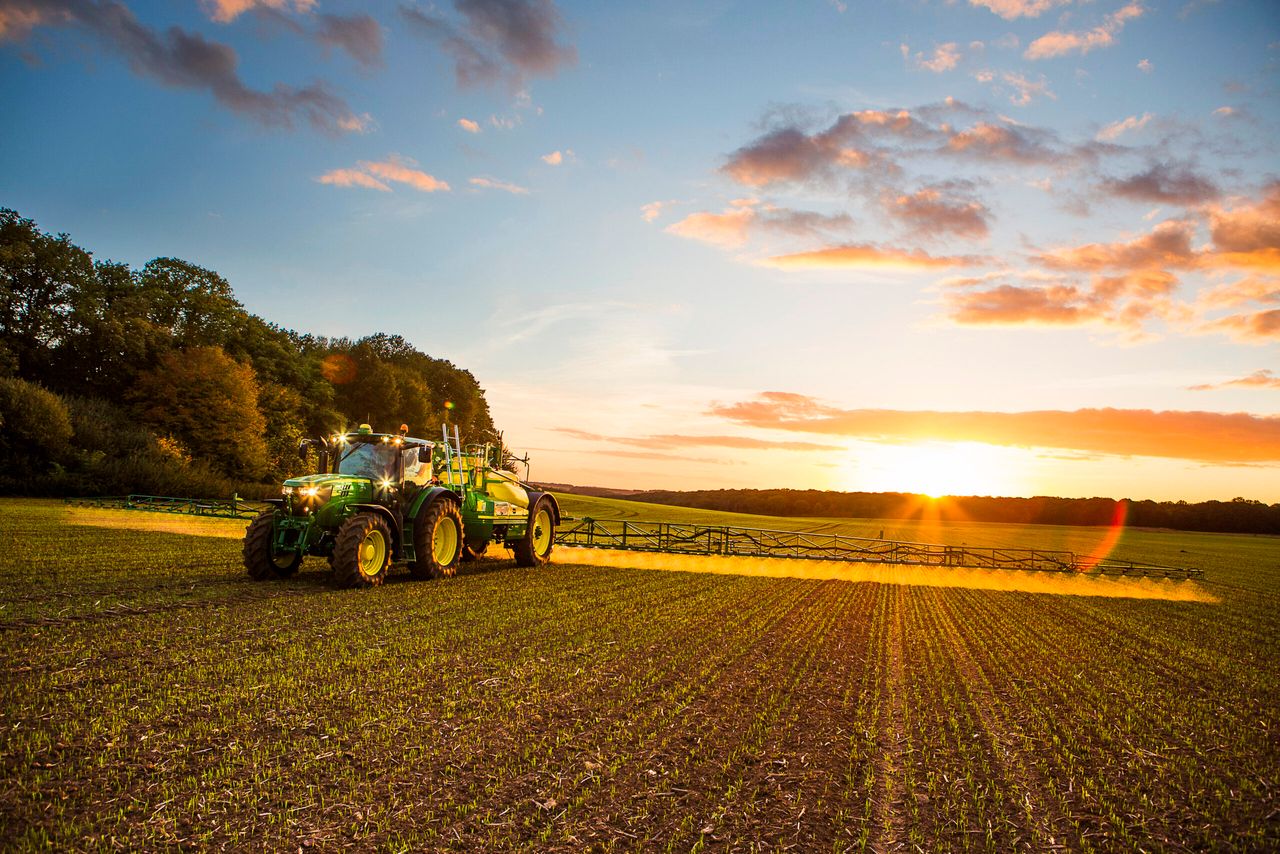
There is also the issue of enhanced susceptibility to crop diseases and the likely need to increase pesticide use - more cost and more risk of pollution.
Potassium is also directly associated with the health and vigour of a plant.
So, deficiencies of the nutrient can lead to less natural vigour and resistance to stress from pests, diseases and adverse weather.
Also to be considered is the act that potash availability is directly associated with straw strength and grain quality.