Managing the stock bull as AI wraps up

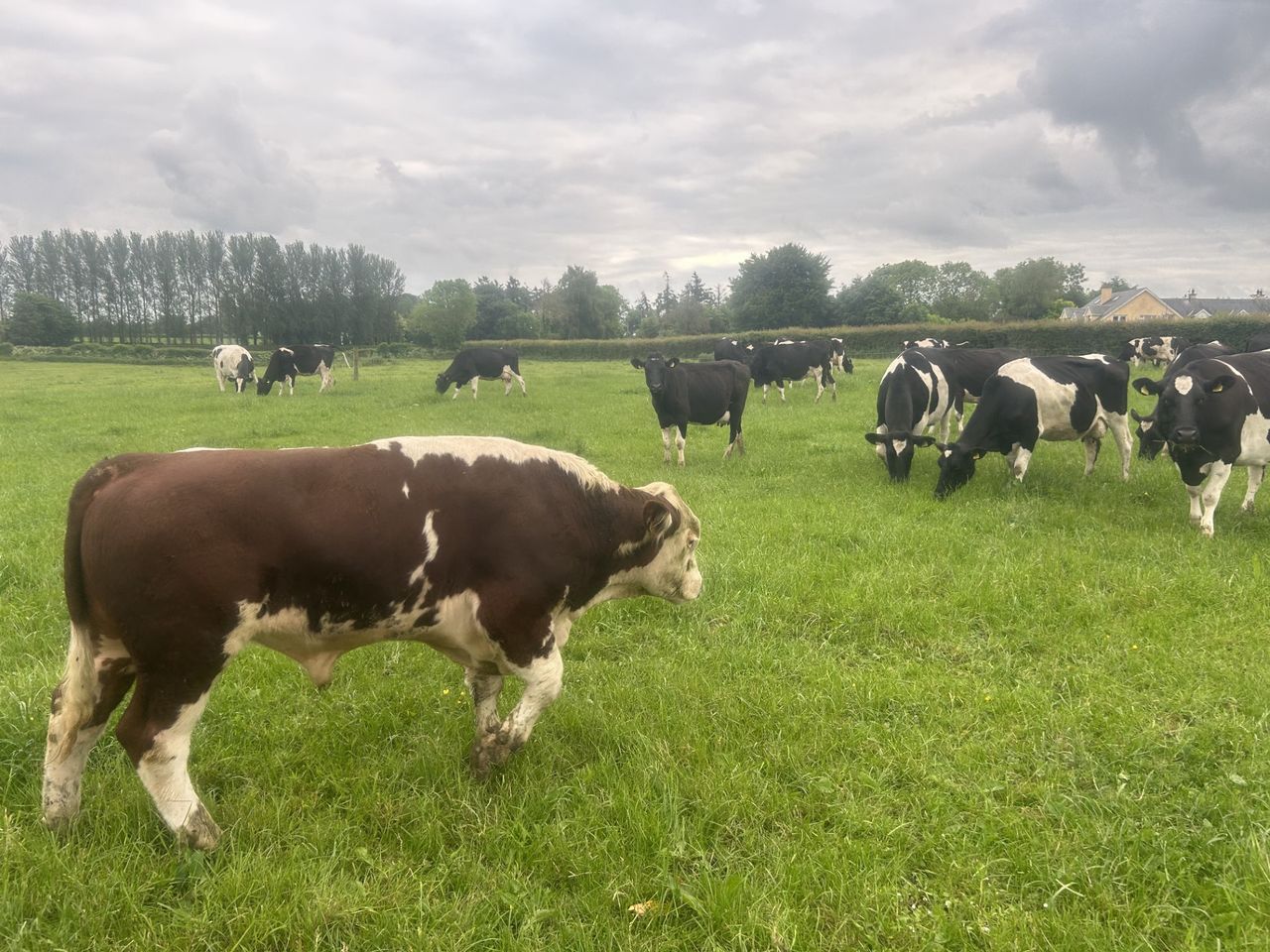
Farms that start breeding May 1 are now six weeks into breeding and may be wrapping up with artificial insemination (AI) and letting stock bulls out to finish the job.
It is common practice for a lot of farms to use only AI for five to six weeks, with some even finishing after three weeks.
All going well, a fair shot of first repeaters will be served by now and the target figure for dairy replacements heifers bred has been reached, letting the focus switch entirely to dairy-beef.
If you look at your own breeding figures, you should have a rough idea if that target is being met.
For example, if 90% of cows are submitted in a 100-cow herd at a 60% conception rate in the first three weeks, it means that 54 cows will hold to first service.
Stock bull
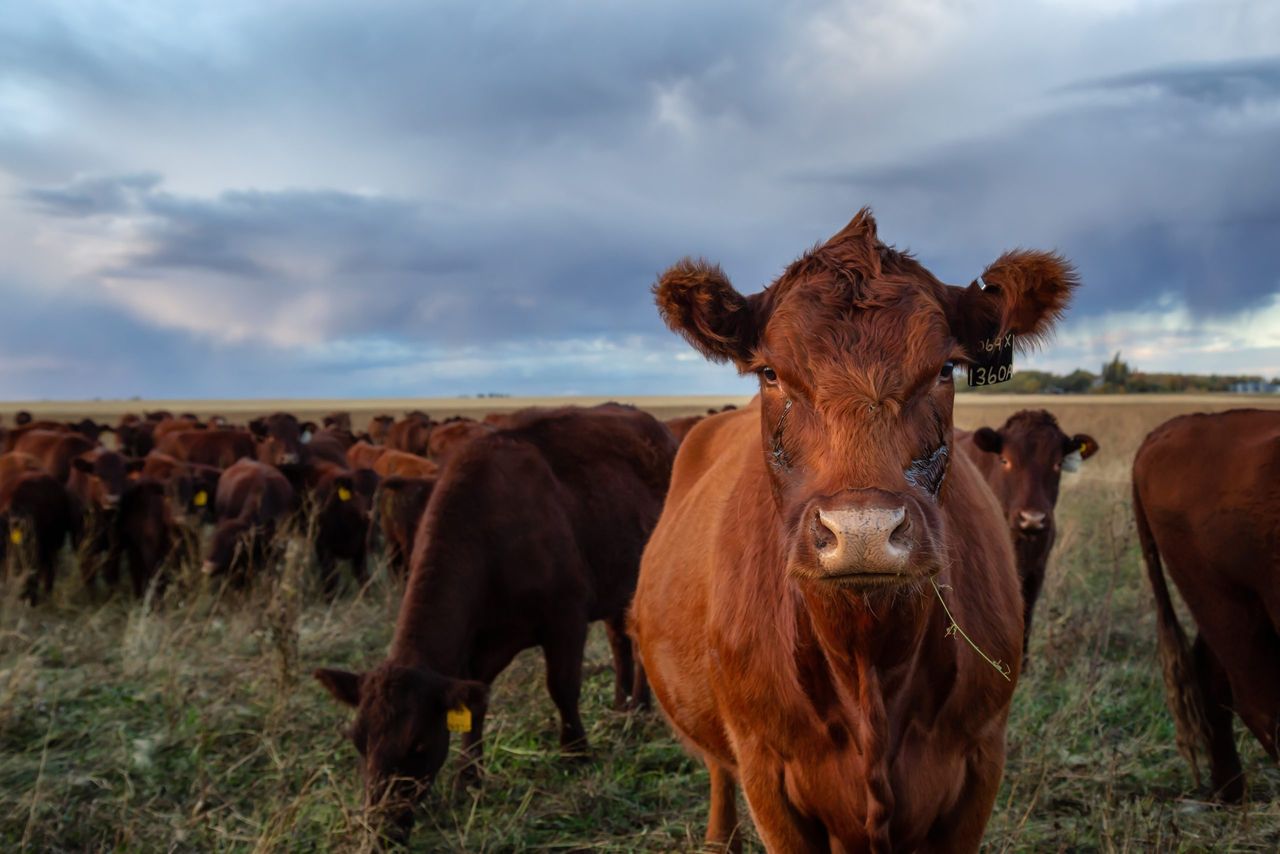
Getting the stock bull out at the right time is crucial. If he is let out too early, there may be too many cows to be served, putting pressure on him and reducing the volume of dairy replacements on farm.
A mature stock bull should be able to cover about 30 cows within three weeks, which means the bull will be serving about 1.4 cows/day.
Not having enough bulls is often where empty rates derive from.
If there are a lot of repeats or more cows coming into heat in the next few weeks, the bull will more than likely be overworked.
Farmers should aim to have one young bull for every 10 empty females, or one mature bull for every 20 to 30 empty females.
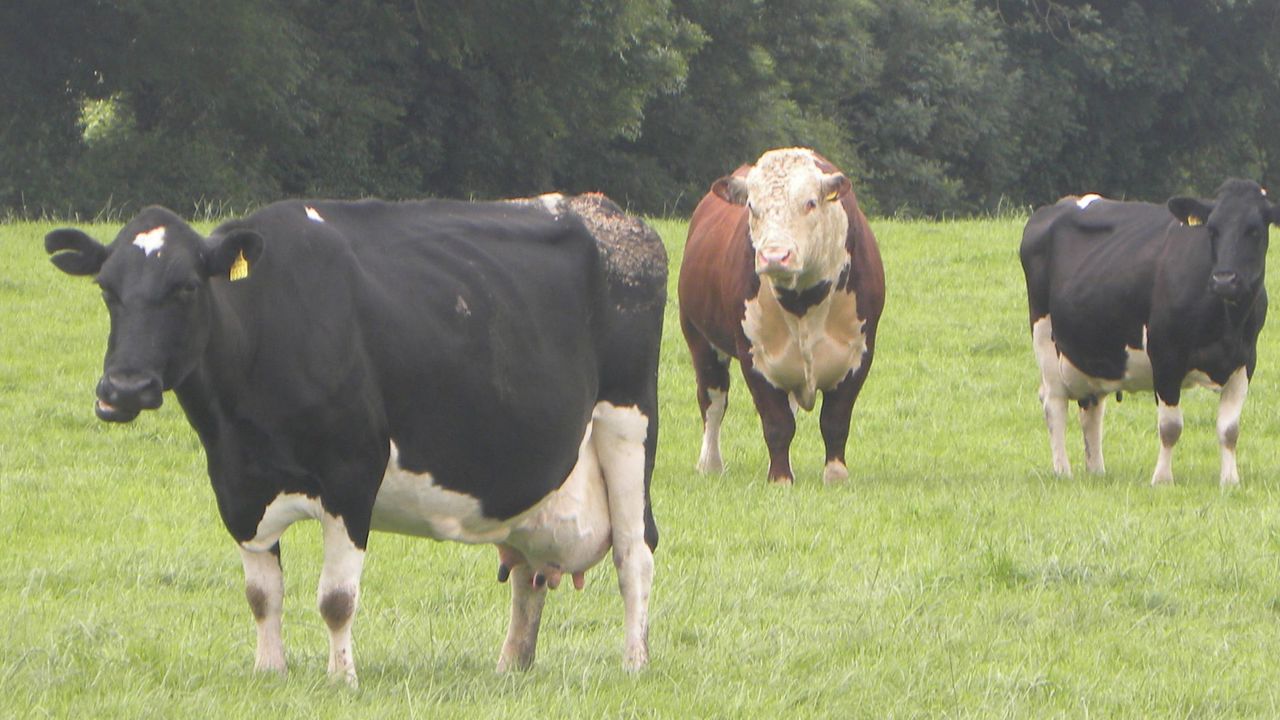
The general rule of thumb that applies is that if there is more than two cows in heat per mature bull per day, then these additional cows should be inseminated to take the pressure off the bull.
When synchronisation programmes are being used, it is advised to serve the first round of repeats, as that number of females coming into heat at the one time will be too much for a bull to deal with in a short space of time.
It is a good idea to read back through your records to get an idea of the number of cows potentially in calf, although it may be difficult to get an exact number.
All dairy farmers should first calculate the number of replacement heifers they want, and then calculate the number of dairy AI straws needed to generate that number of replacements.
Transitioning from AI
Many farmers will be letting out their stock bull in the coming weeks, and whether it be a dairy ‘sweeper’ bull or a beef-bred bull, the timing is essential to make sure you have bred your replacements.
Quite often, when a farm moves from using AI to letting out the stock bulls, a lull in the following calving season can be experienced.
The stock bull in most scenarios will have spent months on a silage-only diet doing minimal daily walking.
Turning it out with a flurry of cows in heat and expecting it to get them all covered is a task that is next to impossible.
The bull is going to be going from barely moving to pacing up and down laneways and paddocks and mounting cows, which is going to test their feet, and so the bull's feet should be monitored monthly and ran through the foot bath every few weeks.
Farmers should continue to AI cows along with the introduction of the bull for at least a week, as this will ensure there is no lull in the following calving season, ensuring the bull has time to settle in before getting to work.