New generation of fungicide leads identified by researchers

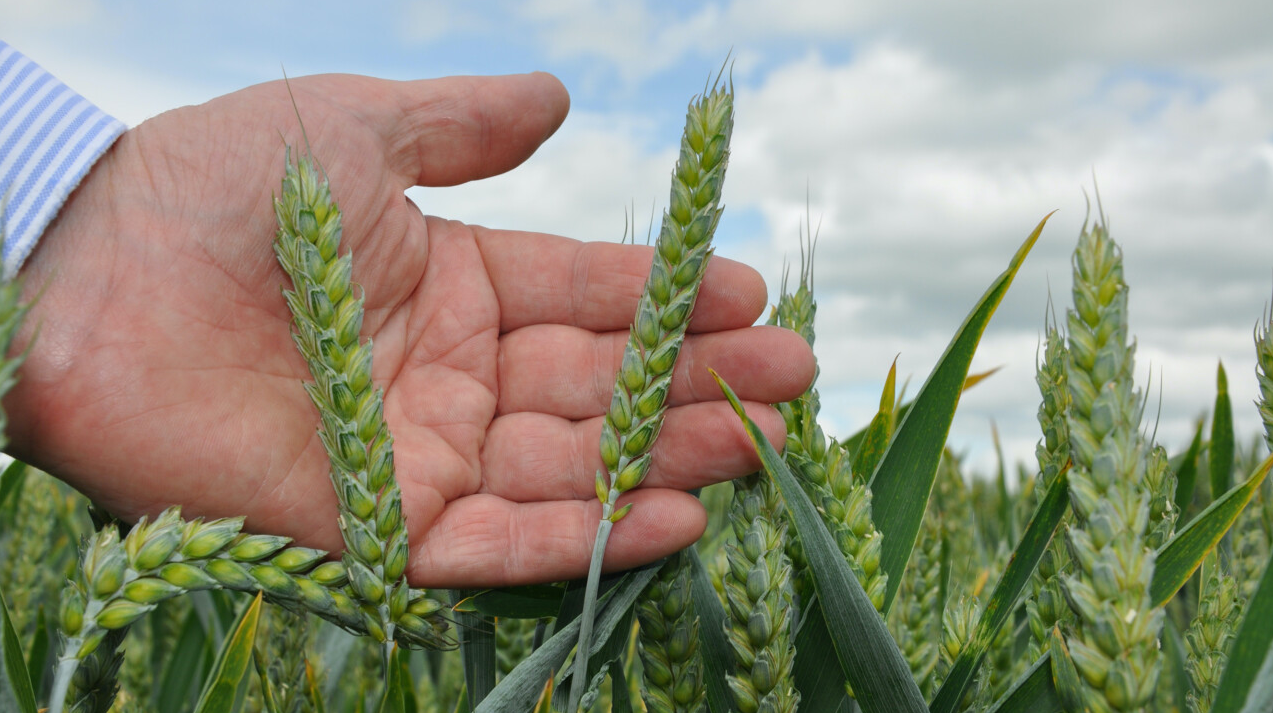
A new study from Rothamsted Research has helped to identify microbial compounds with the potential to become future fungicide leads.
Septoria tritici blotch is one of the most important diseases of wheat in the UK, and Zymoseptoria (Z) tritici has repeatedly evolved insensitivity to classes of commercial fungicides.
That makes the search for new modes of control increasingly urgent.
The Rothamsted work uses a high-throughput ‘in vitro’ bioassay to identify environmental bacteria that affect Z. tritici, before combining it with genome mining, mutagenesis and analytical chemistry to pinpoint the compounds responsible.
The new pipeline was developed within Rothamsted’s Growing Health Institute Strategic Programme and supported by UK Research and Innovation through the Biotechnology and Biological Sciences Research Council (BBSRC).
Study
In the study, the team screened a library of 534 environmental Pseudomonas isolates and identified 52 that could suppress a standard Z. tritici strain.
They then tested selected promising bacterial isolates against a genetically diverse Z. tritici panel of 12 isolates collected from across Europe.
This revealed significant differences in how strongly different fungal isolates were inhibited, showing that activity against a single reference strain may not tell the whole story.
The findings make a clear case for testing future antifungal leads against genetically diverse pathogen panels earlier in discovery, rather than assuming that one strain can stand in for the wider pathogen population.
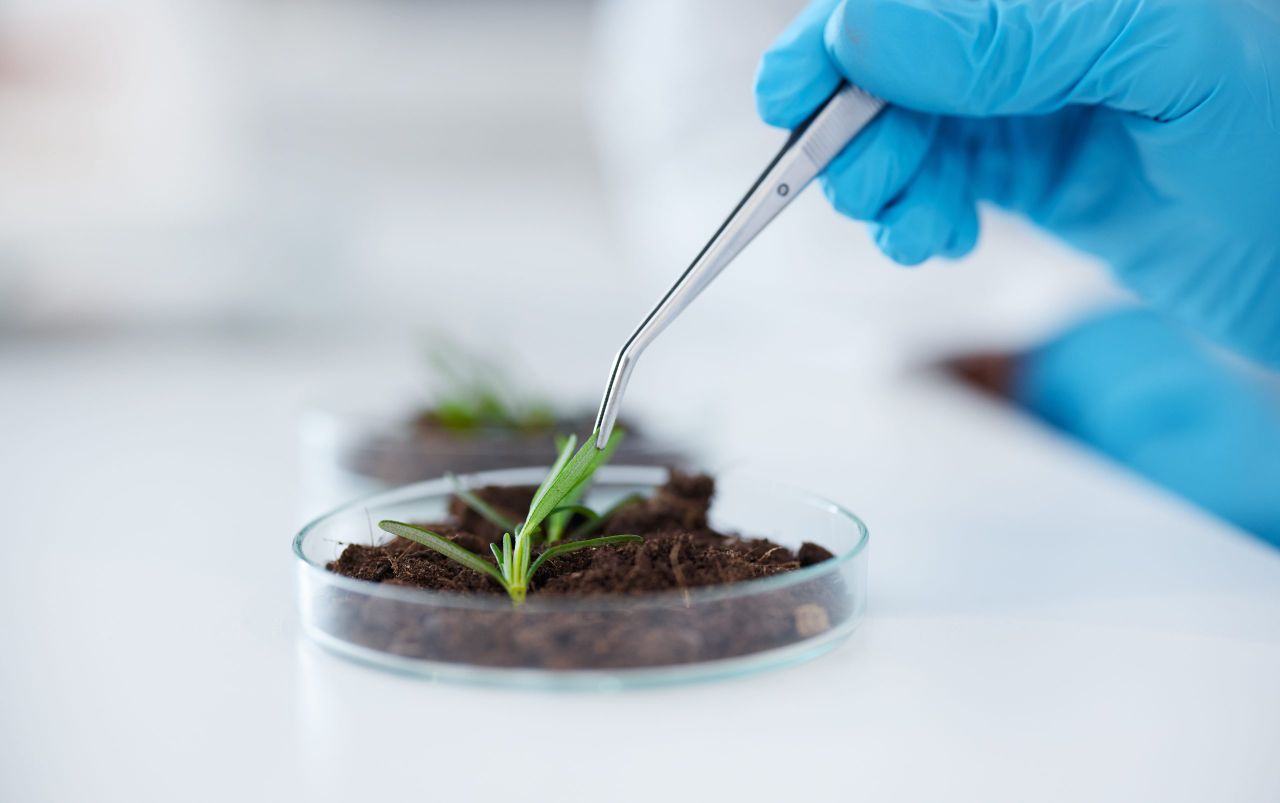
The team then began to uncover the biology behind the effect. Their analysis pointed to bacterial genes linked to the production of antifungal molecules, including the known antifungal compound 2,4-diacetylphloroglucinol (2,4-DAPG).
In a proof-of-concept experiment, disruption of a key gene involved in 2,4-DAPG production caused the bacterial mutant to lose both 2,4-DAPG production and its ability to visibly inhibit Z. tritici in the assay.
Crucially, the study also identified antagonistic isolates whose activity could not be readily explained by similarity to known reference gene clusters.
This suggests that some strains may produce previously unknown antifungal molecules, giving researchers a practical route to prioritise the most promising candidates for further investigation.
Future fungicide leads
Dr. George Lund, lead author of the study at Rothamsted Research, said: “Zymoseptoria tritici remains a major challenge for wheat production, and new solutions are urgently needed for farmers.
“What this pipeline gives us is a practical way to search for future fungicide leads from bacteria in a much more informed way.
According to Dr. Lund, it will allow scientists to test candidates against genetically diverse Zymoseptoria isolates early in the process.
“That matters because activity seen against one strain may not always translate across the wider pathogen population, so this gives us a better way to decide which microbial metabolites are most worth pursuing,” he added.