UK fuel duty cut ‘a positive step’ – UFU


The UK government’s decision to extend the 5p fuel duty cut and temporarily reduce red diesel duties is “a significant and positive step”, according to the Ulster Farmers’ Union (UFU).
The union said the move comes “following sustained engagement and lobbying from the UFU”, and will benefit farmers and rural communities.
The 5p fuel duty cut, first introduced in 2022 and originally due to begin phasing out from September, has now been extended by Chancellor Rachel Reeves, until the end of this year.
Alongside this, the duty rate on red diesel, a fuel used by farmers in tractors, harvesters and other off-road machinery, will be reduced from 10.18p/L to 6.48p/L from June 15 until the end of 2026.
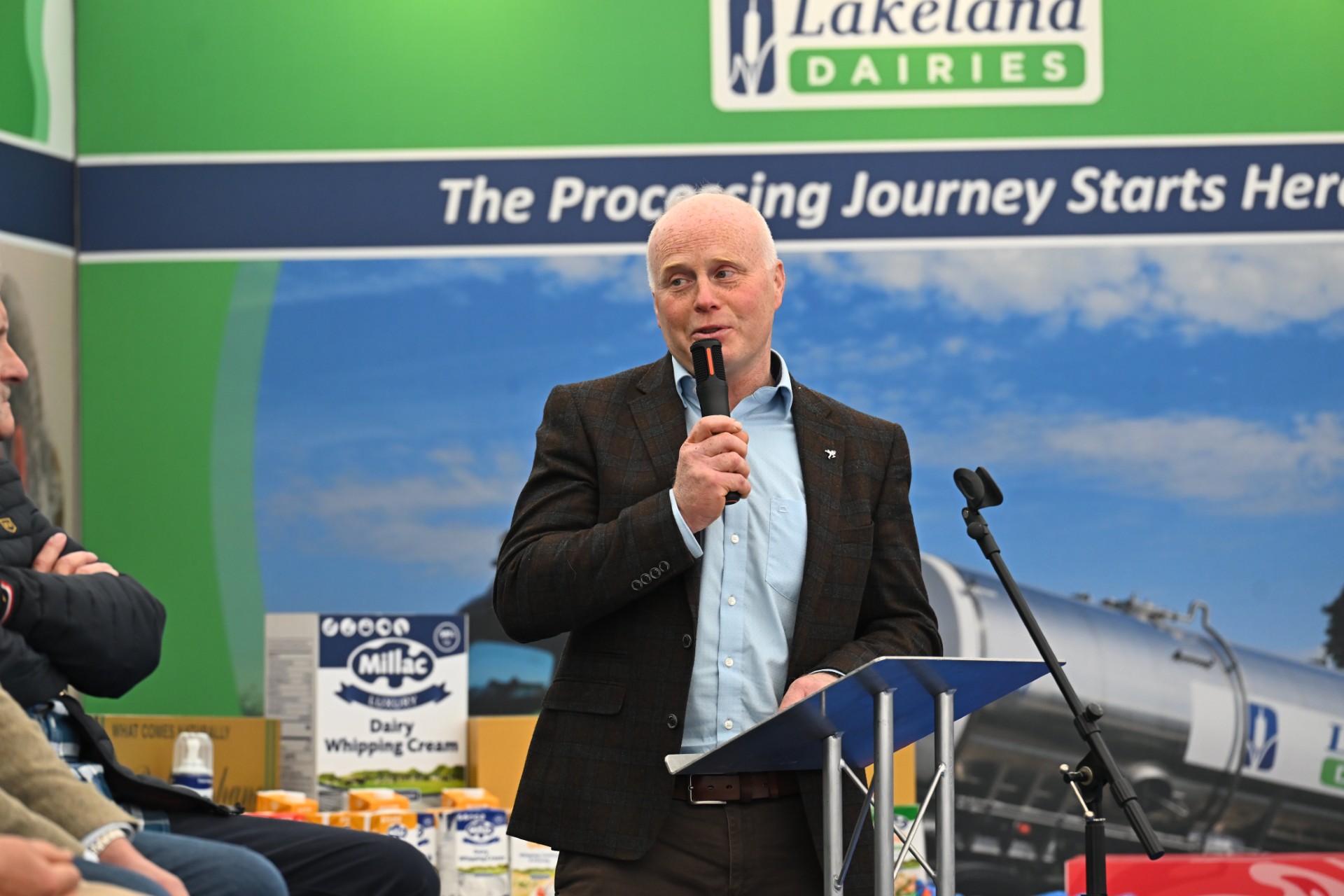
UFU president John McLenaghan said: “The UFU welcomes this announcement, particularly the temporary reduction in red diesel duty.
“Red diesel is not a discretionary cost for farmers; it is an essential input used every day to produce food, manage land, keep farm businesses operating, and ultimately deliver high quality, affordable food for consumers.”
According to the UFU president, farmers and rural communities have “faced severe fuel and input cost pressures with very limited direct assistance”.
He said: “This measure is a welcome first step and recognises the immediate pressure that rising fuel costs are placing on agricultural businesses.
“However, this cannot be the end of government action.
“Fuel pressures and wider input costs are already influencing production decisions on farms across Northern Ireland, and further targeted support is needed to prevent serious consequences for domestic food production.”
Other asks
In addition to the fuel duty cut, the UFU said it will continue to lobby the government on “other key asks”, including:
- A further temporary reduction in fuel duty to reduce diesel costs, including retention of the existing fuel duty cut beyond September 2026 and a pause to the planned phased reintroduction (this ask has been implemented);
- The establishment of a UK-wide market monitoring and transparency framework for fuel and fertiliser pricing, which the UK government is processing;
- A one-off, time-limited fertiliser support scheme for the 2026 season, delivered through direct payments or vouchers, which is an ongoing discussion.
Additionally, the UFU is to discuss with the Northern Ireland Executive Office in coming days the extension or reintroduction of targeted energy cost relief schemes for agricultural businesses, particularly in energy-intensive sectors.
The union will also call for the designation of agriculture and food production as priority sectors in any fuel supply disruption or emergency allocation framework.
McLenaghan said: “For the largest industry in Northern Ireland to have gone without support until now is unacceptable.
“Other European countries have already acted to back their agricultural sectors, and we need to see the same degree of assistance here.
“Farmers are doing everything they can to keep food on tables while managing unprecedented cost pressures.
“If the government is serious about protecting food security and sustaining rural communities, it must continue to deliver enhanced targeted support as a matter of urgency.”