Retailer and consumer attitudes will be ‘biggest driver’ for dairy growth

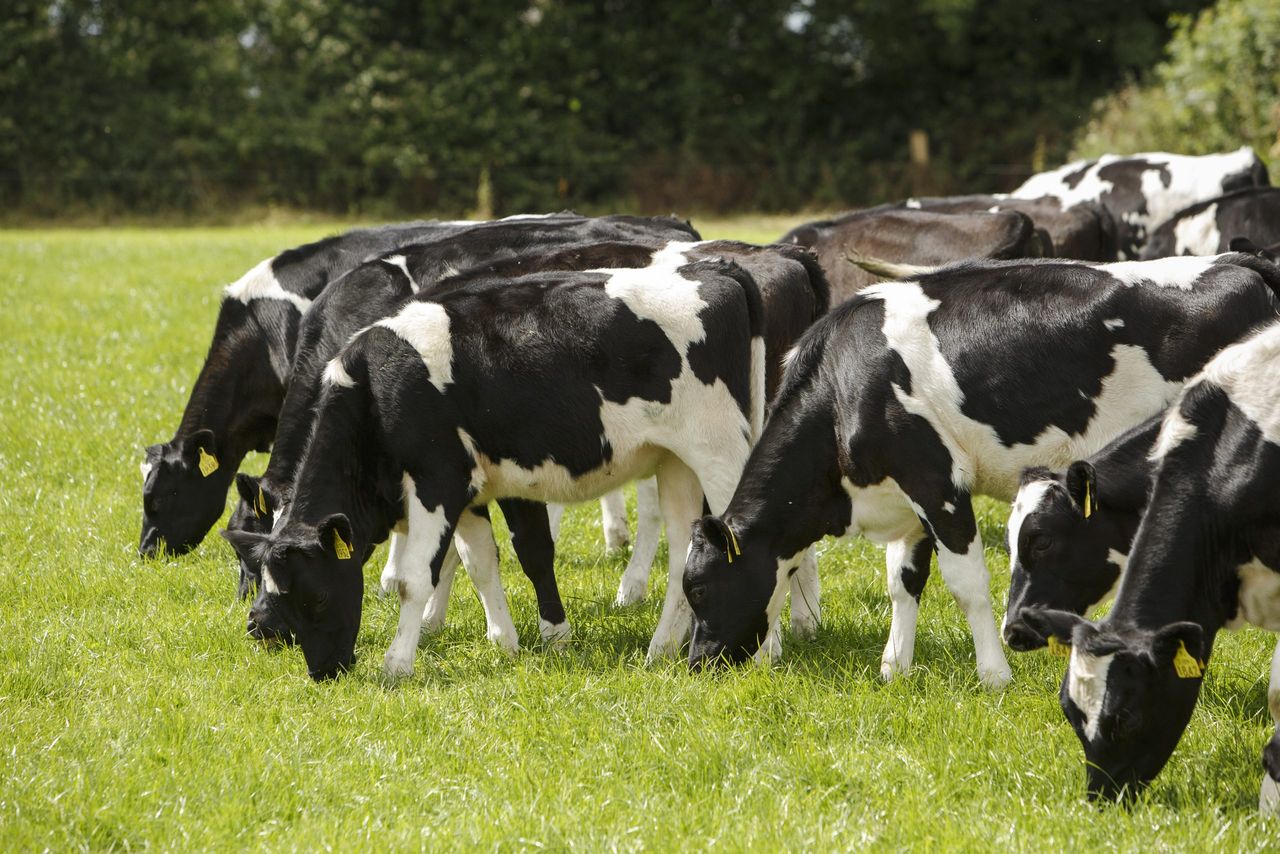
Growth will be the key driver for the dairy sector into the future, according to Dale Farm Group CEO, Nick Whelan.
He said: “Securing continued growth is critically important against a backdrop of high inflation.”
The Dale Farm representative made these comments while speaking at a recent Ulster Farmers’ Union (UFU) dairy conference.
The event was co-hosted by the Dairy Council for Northern Ireland, Agri Search and the College for Agriculture, Food and Environment (CAFRE).
Whelan specifically profiled the role that will be played by the Sustainable Dairy Pathways strategy, the principle of which the UK milk sector has agreed on.
Whelan said: "Getting government support for all of this is important.
“But the biggest driver in making this happen is retailer and consumer sentiment.”
The pathway project has two targets: the first takes the industry up to 2030 with the second looking further out to 2050.
A recent report, prepared for Dairy UK, has charted the detailed targets that must be met by milk producers over the next three-plus years and the action plan required to make this happen.
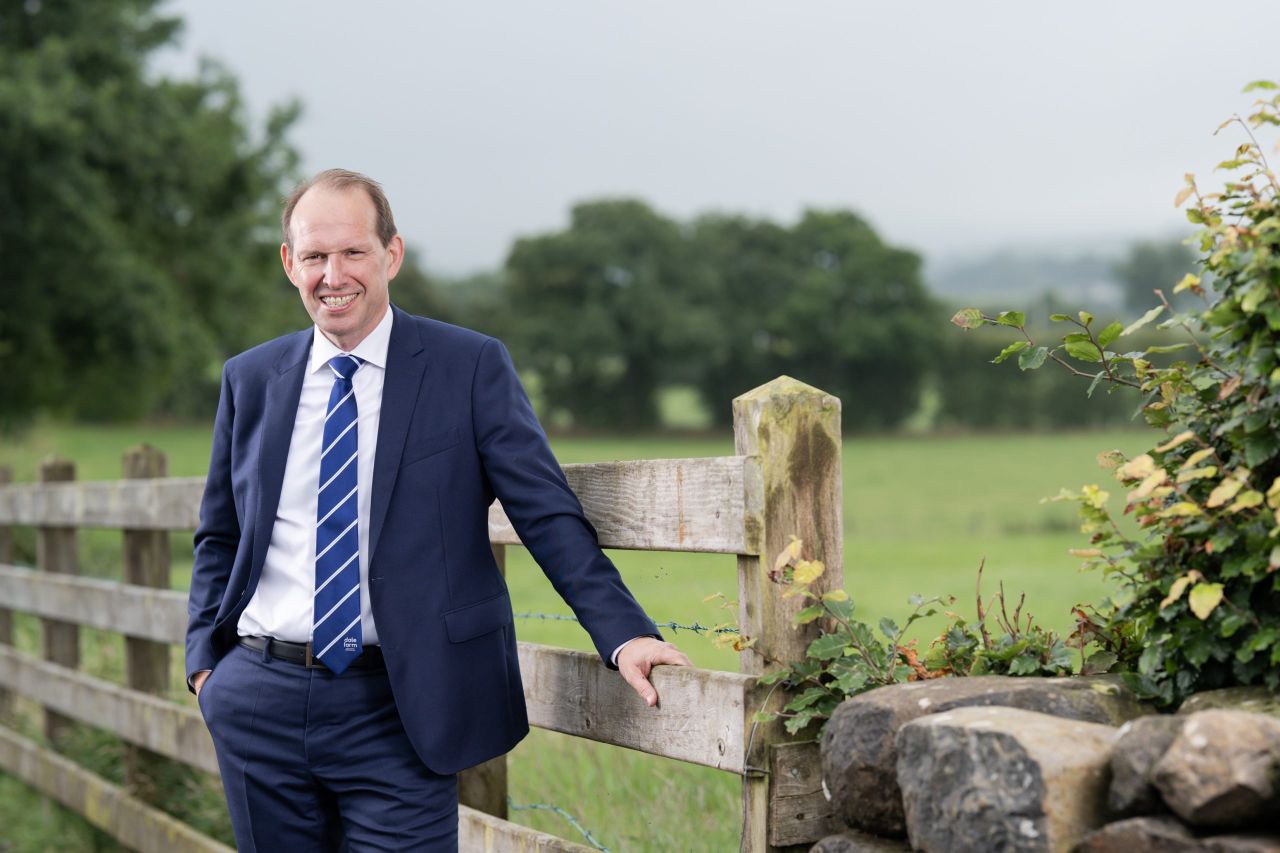
Whelan addressed a number of these points courtesy of his presentation.
The report, produced by Scotland’s Rural College (SRUC), recommends a series of environmental "solutions" for the dairy sector with an accompanying investment commitment of some £2.4 billion across the UK.
It is envisaged that the report will be endorsed in early 2027, subsequent to which Dairy UK will be in a position to speak on behalf of the milk sector throughout England, Wales, Scotland and Northern Ireland with "one voice".
On-farm emissions
Significantly, the SRUC work confirms that on-farm emissions per litre of milk have dropped by roughly 22% since 1990, with methane emissions down nearly 14% and total greenhouse gas emissions falling 9% over the last five years.
Meanwhile, dairy processors have reduced energy intensity by more than 30% and cut water usage by over 50% per kilogram of milk processed.
In addition, landfill waste from processing has plummeted from 24% down to under 2%.
According to Whelan, the report emphasises the need for all dairy farmers to maintain a ‘back to basics’ approach at all times when it comes to running their businesses.
This includes a commitment to regular soil testing and ensuring that soil pH values are retained at optimal levels.
“Government must support the dairy sector into the future. The industry is crucial to national infrastructure.
“This is reflected in the fact that milk and dairy products are inherently perishable food items. For the most part, they can only be supplied on a just-in-time basis," he said.
The Dale Farm Group CEO said the "core objective" is to secure a unified dairy sector that is climate resilient and profitable.
“It will produce food of the highest quality that is affordable while also delivering a sustainable future for farmers, processers and all those involved with the sector.
“Relevant targets have been set. And the good news is the milk industry is already well down the road in meeting these," Whelan added.