Call for strategy to protect farmland as wildfire threat grows

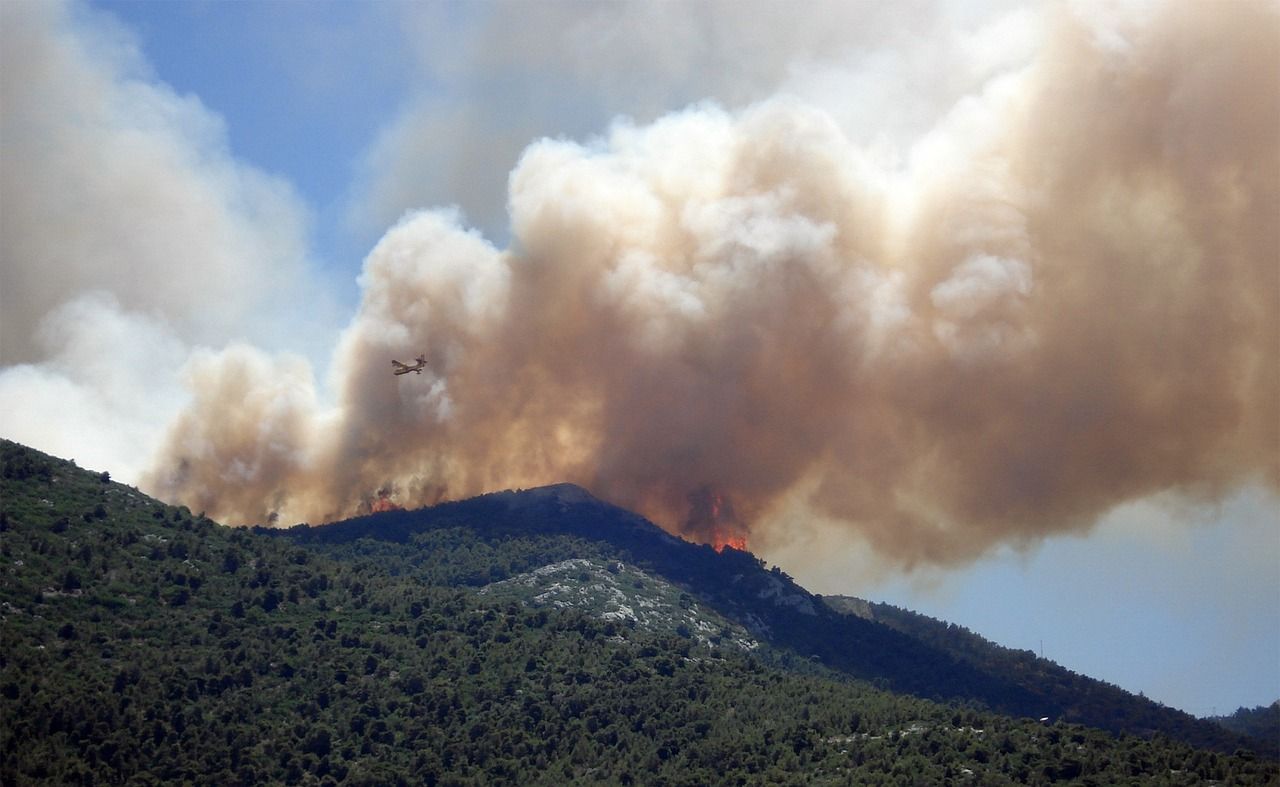
The NFU is highlighting the increasing risk of wildfires on farmland and the need for action from government, fire services and local authorities to protect lives and livelihoods.
In 2025, the wildfire season saw nearly 48,000ha burned across the UK, seven times the annual average recorded between 2006 and 2024.
During the 2026 summer, record-breaking heatwaves across the UK, prolonged dry weather and strong winds led to parts of England being assessed as at “exceptional” or “very high” risk of wildfire.
The NFU said: "These conditions put livestock and crops at risk, as well as people, their homes and neighbouring properties, with fires able to spread quickly and unpredictably."
National Wildfire Strategy
The union is now calling the Department of Environment, Food and Rural Affairs (Defra) to develop a National Wildfire Strategy that will combat wildfires in rural areas.
NFU vice-president, Robyn Munt said the strategy should set out clear guidelines for wildfire prevention, preparedness, and response, targeted at "all relevant bodies including Fire and Rescue Services, local authorities, Natural England, Forestry Commission and Highways England".
"This plan must recognise the vital role farmers play in assisting emergency services when action is needed to resolve wildfires.”
The NFU call comes as a EFRA Committee report stated tjat summer 2026 exposed severe weaknesses in the UK’s preparedness and response to wildfires, which it said "must be tackled in time for next spring".
The report said fire and rescue services in England and Wales have responded to over 1,300 wildfires so far in 2026, surpassing the total during the whole of 2025, which it said was itself a record-breaking year.
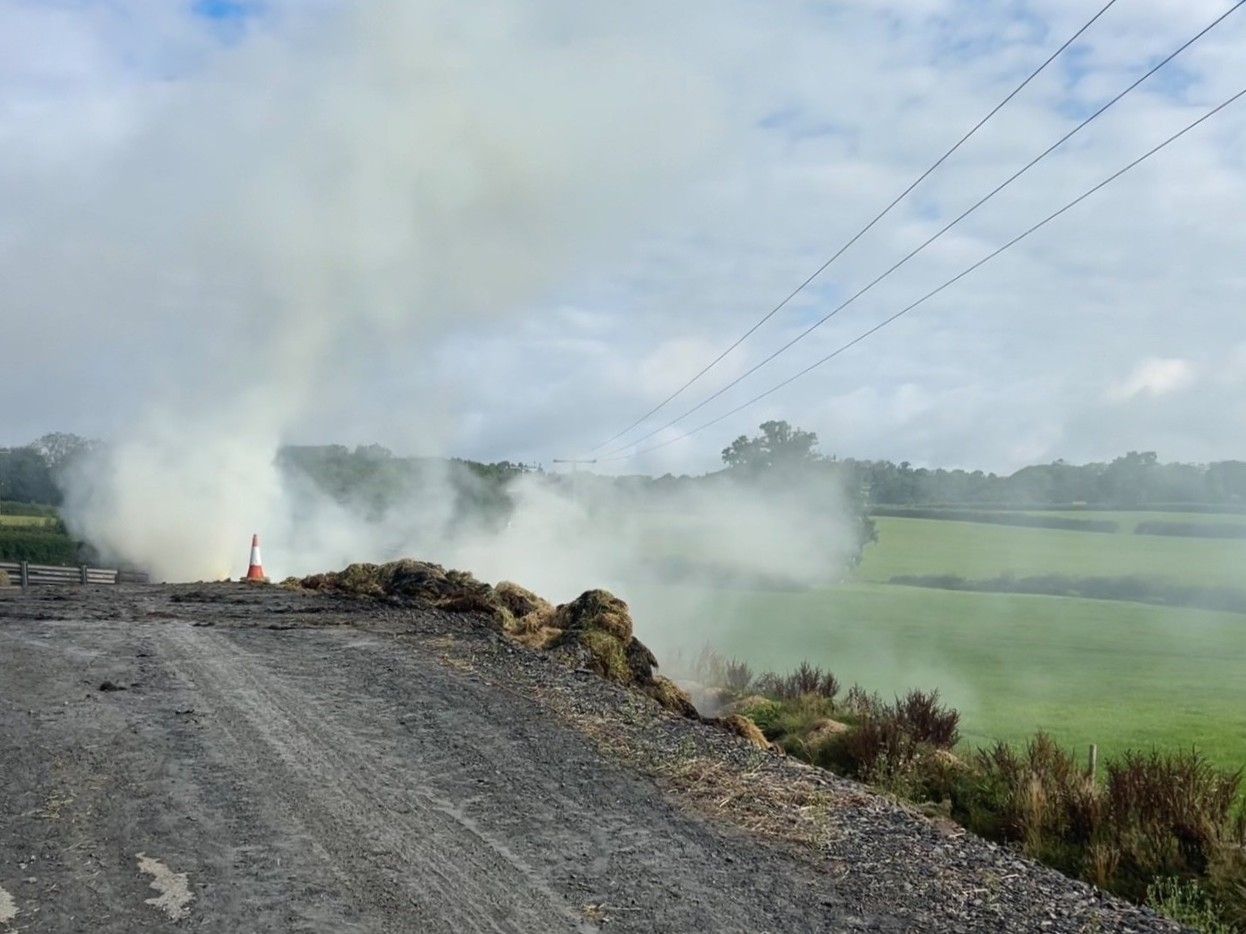
EFRA Committee Chair Alistair Carmichael MP said: “Two consecutive, record-breaking years of wildfires should be ringing alarm bells in Westminster.
"We need to see government preparing for 2027 now. Failure to do so will leave us all exposed to more of the same next year and every year until it is taken seriously."
In its report, the EFRA committee highlighted personal accounts it received from land managers, farmers and game keepers.
It said: "In rural communities, they are often the first to respond by beating back flames, ploughing fire breaks and rescuing livestock.
"In their submissions, they wrote of the cumulative, psychological toll of being constantly on watch, never knowing when they might need to rush to stop the next major blaze.
"This report acknowledges the contribution they make, voluntarily, driven by their sense of duty, to keeping lives and landscapes safe."
Rural areas
Increasing resources for rural emergency services is essential in preventing wildfires, according to the NFU.
Dedicated wildfire training, equipment, and funding is needed to enable them to respond to wildfires.
It said: "Their ability to do so is often constrained by poor access and limited water supplies.
"Instead, farmers and land managers often act as first responders, using local knowledge and equipment, putting emphasis on the important role farmers play in land management – maintaining tracks, firebreaks and water points."
Regulation review
In response to the report, the NFU is also calling for an urgent review of the Heather and Grassland Burning Regulations 2025.
The NFU said active vegetation management, including grazing, controlled burning, and mechanical management, is the "most effective tool" for reducing wildfire risk.
It added: "However current agricultural and environmental policy restrict this from happening."
Munt said: "Active land management is needed as climate change continues.
“Maintaining active land management is important, particularly in the uplands, through sustainable livestock grazing and the continued use of controlled burning."
The NFU will meet with government officials tomorrow (October 23) to discuss necessary actions to reduce the growing risk of wildfires in farms and rural communities.