

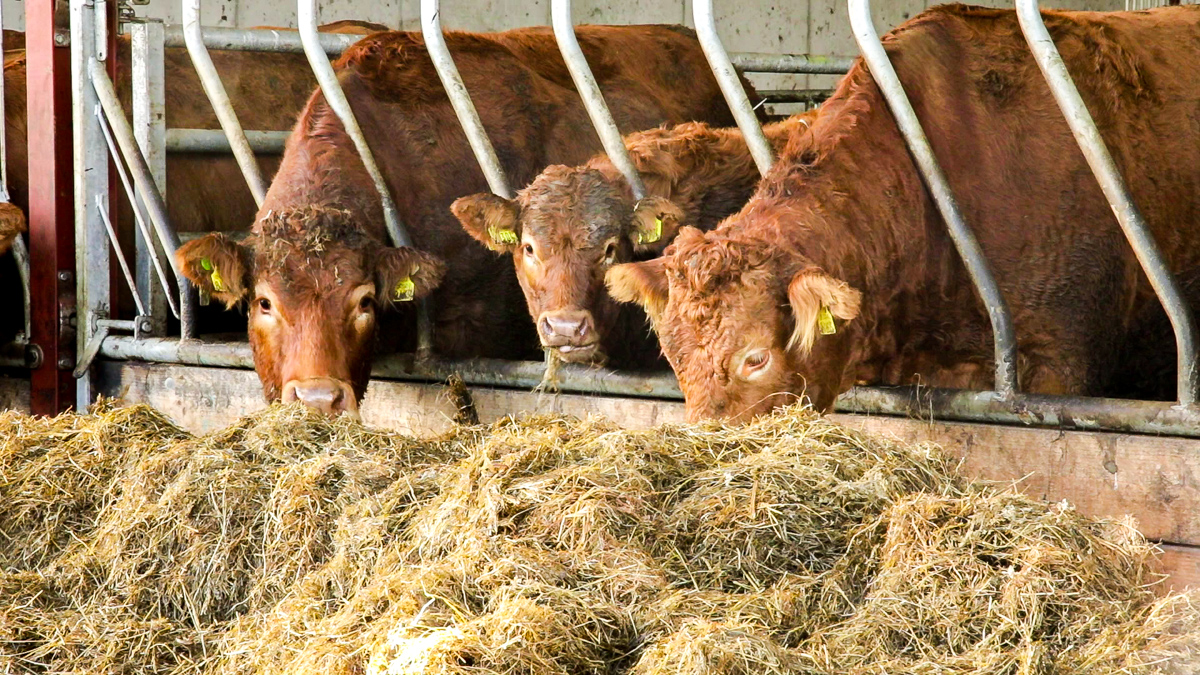
With cattle now housed, keeping parasites are under control is crucial in boosting your herd’s health and performance.
The main internal parasites farmers need to keep an eye on are lungworms, stomach worms, and liver fluke, while also staying vigilant for external parasites such as lice and mites.
Studies have shown that these parasite infestations can result in 30% extra cost when rearing heifers.
Therefore, having a strategic dosing in place to combat these parasites is essential.
Parasites
Worms are one of the most common forms of parasites found in cattle, especially in young cattle as they have no resistance built up.
Roundworms are usually found in the gastrointestinal tract, where they deprive the animal of nutrients by eating tissue, sucking blood, or eating stomach contents.
Meanwhile stomach worms are a type of roundworm that live in the abomasum of cattle, often seen in yearlings following their first grazing season.
Lungworms infect the airways of cattle and can cause parasitic bronchitis, also known as ‘hoose’.
Liver fluke is influenced by the climate and thrives in warm, wet weather, similar to what we experienced this autumn and past week.
If you notice any symptoms such as poor thrive, weight loss, or reduced appetite, you should investigate further and ask your vet for advice on treatment.
Controlling
When housing cattle, follow a strategic worming plan; however it is important to note that a lot of adult cattle over two-years-of-age will have built up a natural immunity to worms.
If cattle were not dosed at housing, it may still be worth dosing now to prevent any serious illnesses if an infestation is there.
For the likes of worms, it is important to know what developmental stage the stomach or lungworm are at so you can choose the correct product to dose with.
Most farmers typically use a white, yellow, or clear drench to treat animals with lungworm.
By dosing for fluke at the time of housing, you will potentially only kill off the adult fluke.
Therefore waiting for approximately six weeks after housing, which is about now for most farms, is the most effective time to treat animals.
Products which are triclabendazole-based will kill almost all stages of fluke.
However, farmers should note that cases of resistance to these products are becoming common due to overuse.