

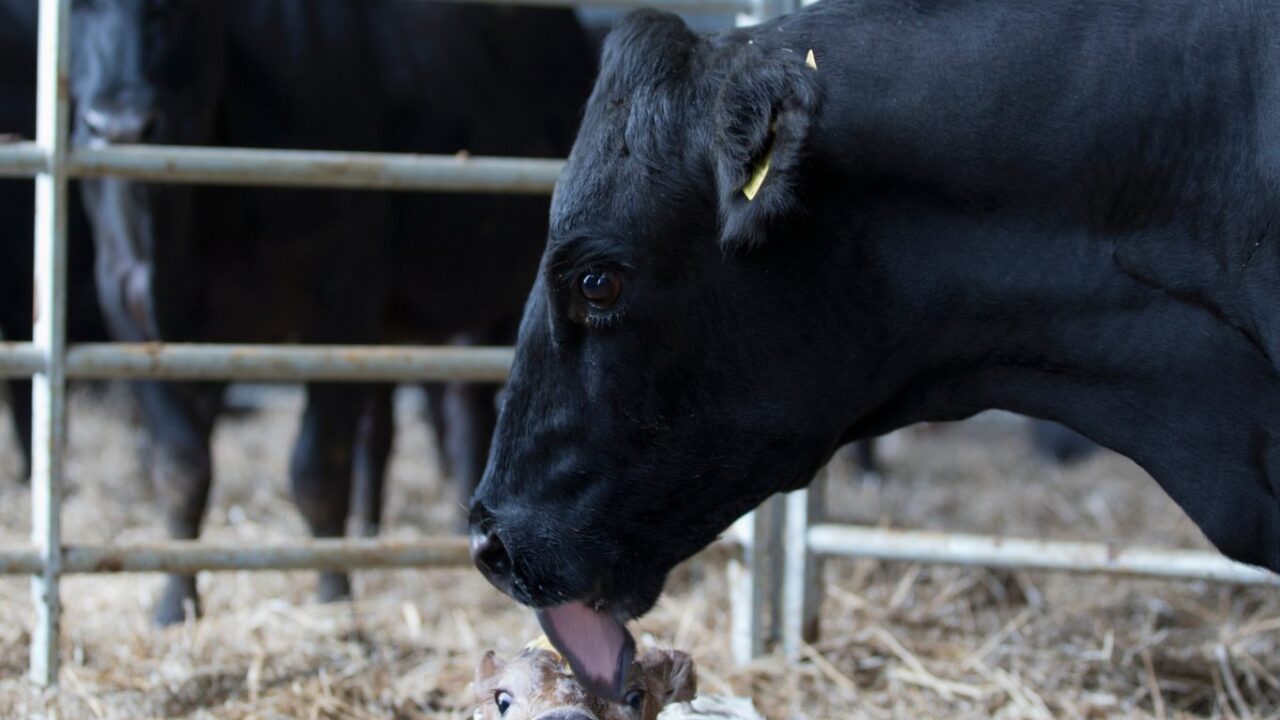
Retained cleanings can cause big issues on dairy farms during spring calving, and their knock-on effects can be very costly.
When cows calve down, they usually expel their fetal membrane or cleanings three to eight hours after calving.
However, some cows may have issues with shedding, as a lack of power from the muscles in the womb means the placenta fails to separate.
This is why retained cleanings are often common in difficult calvings or twin births, as the muscle has become exhausted.
If the placenta has not separated from the wall of the womb within 12 hours, it is considered a retained cleaning.
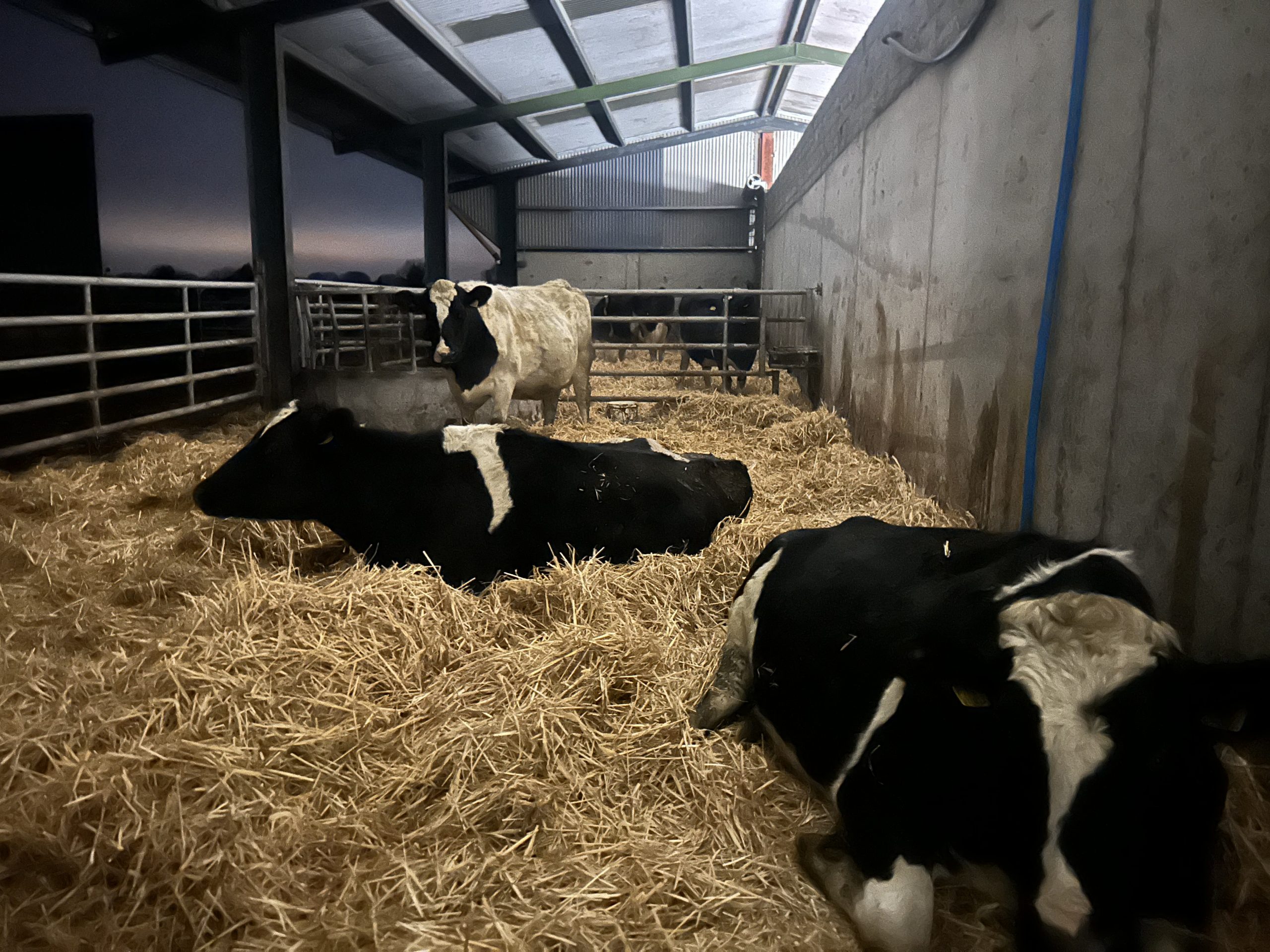
Retained cleanings are characterised by varying amounts of discoloured and foul smelling membrane hanging from the vulva.
Occasionally, the retained cleanings may remain within the uterus of the cow and is not obvious to the naked eye. However, its presence may become evident by a foul-smelling discharge.
Retained cleanings
Retained cleanings themselves do not typically cause issues, but it can become toxic as it naturally degrades, causing the cow to become sick.
This being said, it is crucial that farmers do not remove the cleanings themselves, as they will more than likely cause damage to the wall of the womb, cause lesions in the uterus, or the placenta may even split, leaving the toxic cleaning within the animal.
If the animal has not dropped the cleanings within seven days, farmers should speak to their vet regarding treatment.
However, in this time, retained cleanings can cause further knock-on effects as the placenta acts as a bridge for bacteria, meaning infections are easily picked up.
Retained cleanings can also cause a range of other issues such as;
- Risk of ketosis;
- Risk of metritis;
- Risk of mastitis;
- Increased infertility;
- Increased vet and medicine costs.
Sometimes, the best thing to do with retained placenta is to separate the cow from the main herd and leave her in a clean pen where she can be monitored closely and allowed to release her cleanings stress-free.

If the cow takes a turn, and she shows signs of increased illness, the farmer may have to react and consult their vet.
If cows are treated with antibiotics, it will help reduce the bacterial load present in the uterus and may prevent the development of endometritis.
Prevention
Just like any other health issues, prevention is always better than the cure.
Good dry cow management as well as keeping facilities clean and hygienic will reduce the risk of any issues like this, as underlying issues such as sub-clinical milk fever may be responsible for the retained cleanings.
Retained cleanings may be the result of a number of different issues; however, it typically relates back to feed and mineral deficiencies and metabolic diseases.
Therefore, ensuring the herd is fed the correct diet and adequate minerals, especially magnesium, ahead of calving is crucial.
However, farmers need to be careful diets are carefully formulated to ensure cows are not overweight at calving, and restrict diets of animals that are over-conditioned.