

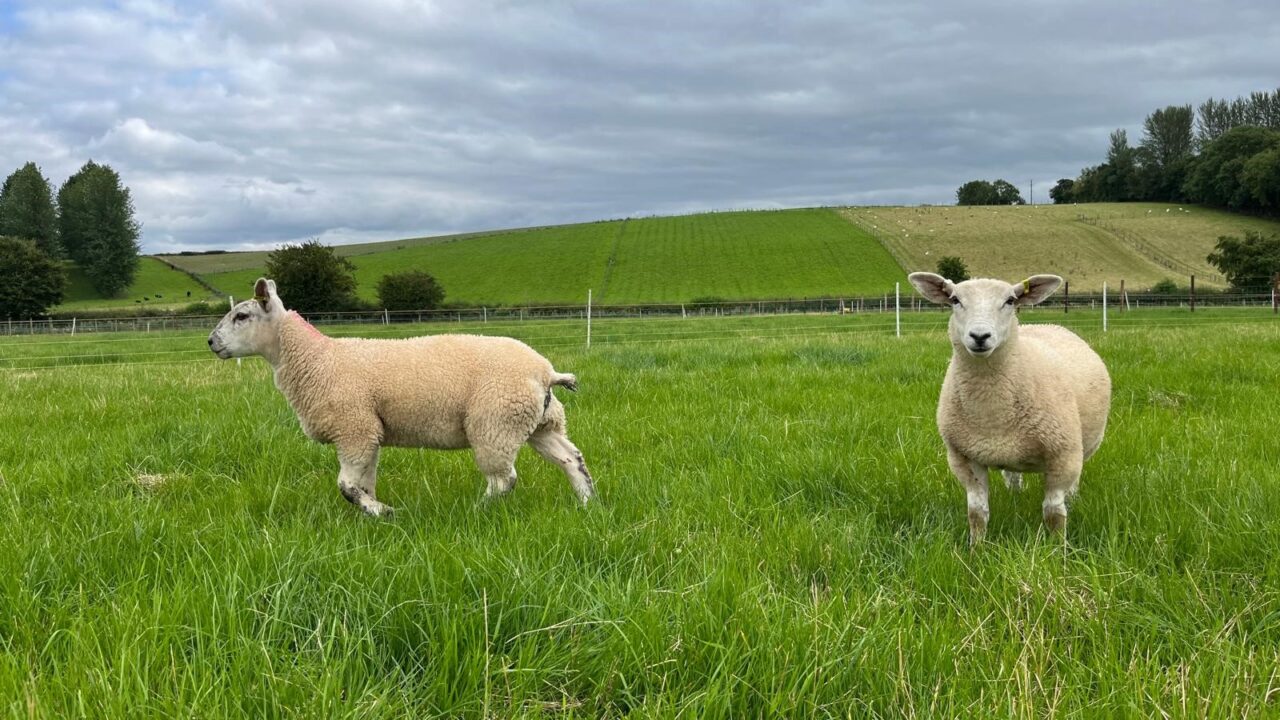
Farmers who use a selective treatment strategy against parasites on their lambs can reliably identify those that benefit most from wormer treatments.
That’s according to early results from a study at the Agri-Food and Biosciences Institute (AFBI).
The study, carried out at AFBI Loughgall, found that when Targeted Selective Treatment (TST) was used, almost 75% of treated animals showed an improvement in daily liveweight gain.
The study is part of the wider Co‑Adapt project, led by Queen’s University Belfast.
The Co‑Adapt project aims to give farmers greater confidence in managing parasites sustainably, using relevant information to support both animal performance and long‑term wormer efficacy.
Tackling parasites
While the full analysis is still underway, the emerging patterns may help sheep farmers looking to manage worm burdens more efficiently.
In the study, 48 weaned lambs grazed a perennial ryegrass and clover sward in a rotational system during the grazing season from July to September 2024.
Lambs were dosed only when they met TST criteria based on growth rates, faecal egg counts or Dag score — practical measures familiar to most sheep producers.
Almost every lamb required at least one treatment during the season, and most needed two, but the biggest trigger by far was reduced liveweight gain, according to the researchers.
This performance‑based cue proved to be the most reliable indicator that a lamb was struggling with parasite challenge.
Researchers reported that around 74% of lambs that received a dose subsequently increased their daily liveweight gain, highlighting the potential of TST to direct treatments precisely where they are most effective.
This early trend suggests that carefully targeted dosing can support lamb performance while avoiding unnecessary treatments, which AFBI has stated is a key tool in the battle against anthelmintic resistance.
Farm implementation
Good handling and weighing facilities reportedly proved essential during the study.
Regular monitoring was needed to make confident treatment decisions, and AFBI emphasised that any farm considering TST will need reliable systems for weighing and recording.
Without these, the researchers said it becomes much harder to identify which animals genuinely need attention.
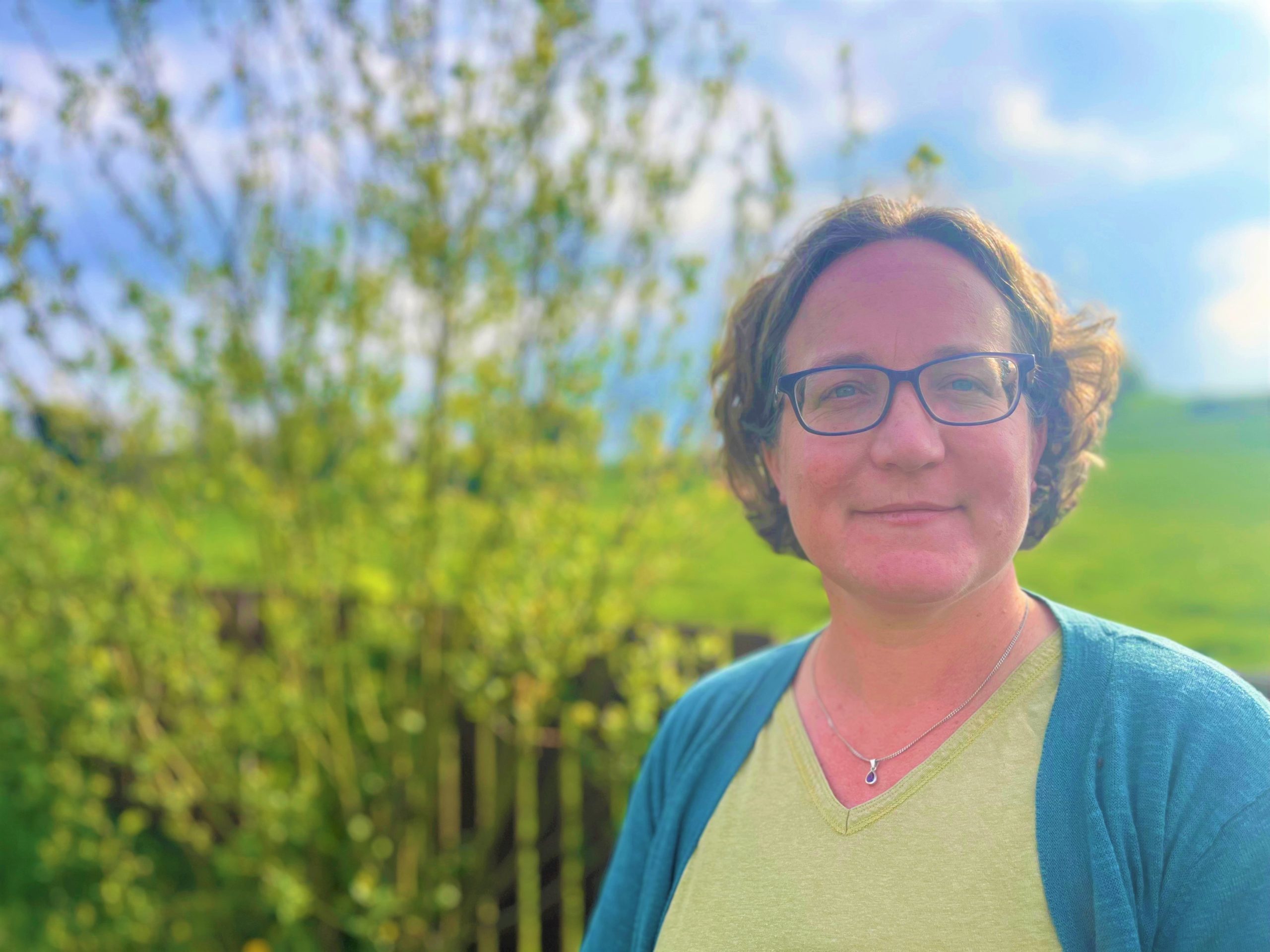
Dr. Aurélie Aubry, head of sheep research at AFBI, was one of the leading researchers on the project.
“Sheep farmers are facing significant challenges around managing parasites,” she said.
“This study forms an important contribution towards helping farmers face those challenges.
“With a targeted selective approach, a proportion of the flock is left untreated, which reduces drug use and costs and slows the emergence of resistance to worm treatments.”
Funding
Co-Adapt is funded by the Biotechnology and Biosciences Research Council (BBSRC) and co-funded by the Department of Agriculture, Environment and Rural Affairs (DAERA), the Department of Environment, Food and Rural Affairs (Defra) and the Scottish government.
The study is also examining how gastrointestinal nematodes and coccidia interact, and how these co‑infections influence lamb growth and pasture contamination.
This part of the analysis is ongoing, but AFBI has said that the results will be important: mixed parasite burdens are common on sheep farms, yet their impact on treatment need and performance is still not fully understood.
Although more detailed findings will be released once the analysis is complete, AFBI researchers have said that TST appears to be both workable and effective in a grazing lamb system.
This is provided farmers take a flexible approach and review decision points as the season progresses and conditions change.