


The increased use of appetite-suppressing, obesity medications can be developed into a good news story for the red meat industries, a beef conference has heard today (June 10).
This is due to the fact that in order to reduce their calorie intake, consumers must adopt a nutritionally dense diet that feature high quality protein sources.
It is in this context that the red meat industry can make significant interventions, according to Livestock and Meat Commission (LMC) chief executive Colin Smith.
He said: “Beef, for example, represents an excellent source of protein, vitamins and minerals.
“So the opportunities for red meat to play an important role within these dietary parameters are significant.”
Smith made these comments courtesy of his presentation to the Ulster Farmers’ Union (UFU)/College of Agriculture, Food and Rural Enterprise (CAFRE) Beef Conference, held at the college’s Greenmount campus today.

The LMC representative stated that 10% of the populations in those countries with a major obesity challenge are expected to be taking appetite reducing medications by 2030.
Smith added: “This trend will be driven by the unit costs of these medications falling and their availability in pill form. Currently they can only be used as injectables.”
Global beef production
Meanwhile global beef production will fall over the coming 12 months. The only major centre of cattle production to buck this trend will be Australia.
In the US, drought is impacting on cattle numbers while Brazil is re-building its national beef herd.
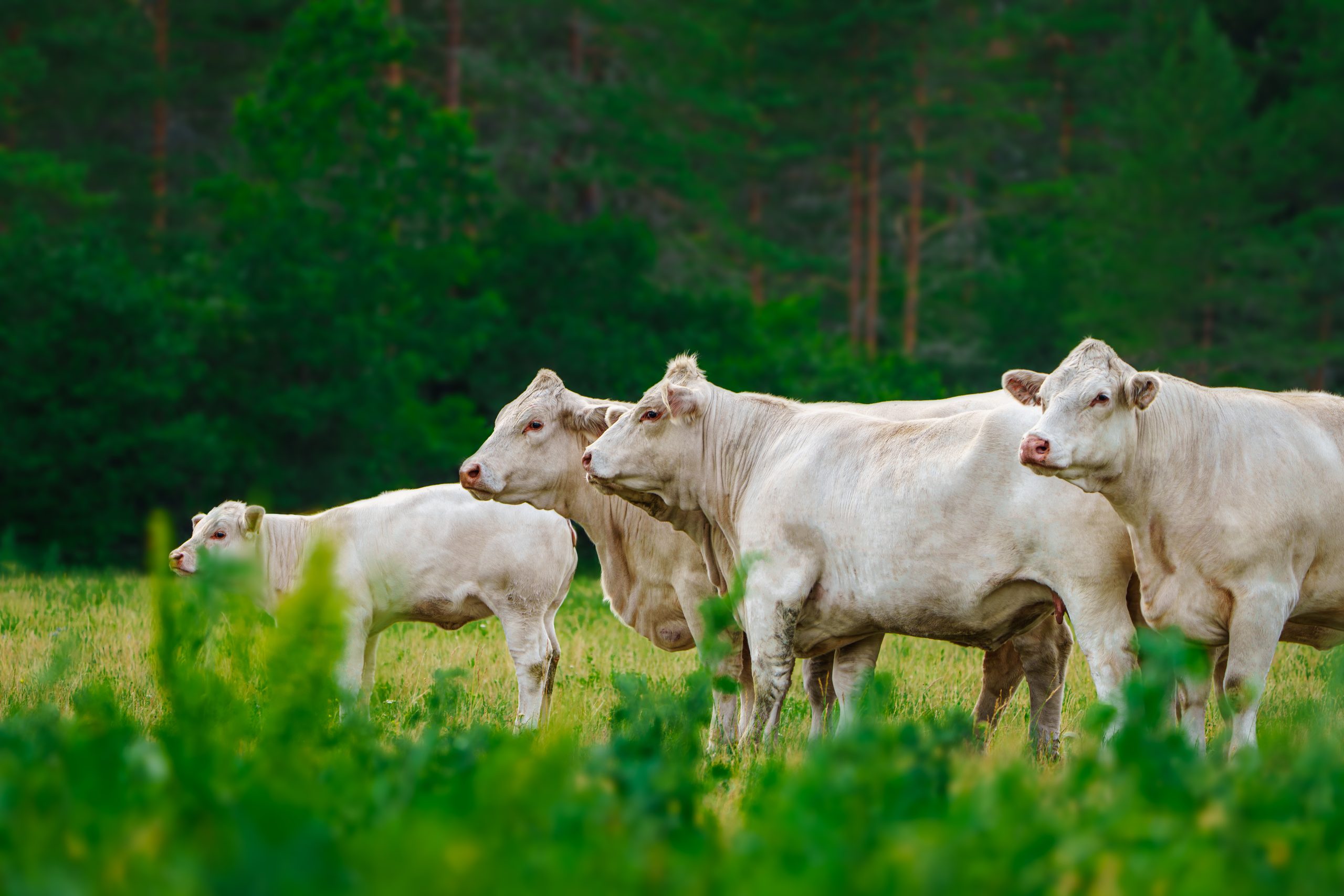
According to Smith, beef output in the UK and the EU has been on the decline for some time.
He added: “And this trend is likely to continue, driven by the impact of regulation, the increasing age of farmers, a lack of succession planning within the livestock sector and the ongoing impact of animal diseases, including bluetongue.”
In terms of consumption, beef continues to lose out in comparison to poultry meat.
However, the decline in demand for redmeat is taking place at a lower rate relative to the projected reduction in output trends.
“Given this backdrop, there is an increasing scope to increase the levels of beef imported into the UK,” Smith said.
“It will be interesting to see how food retailers react to this dynamic.”
The LMC chief executive also pointed out that the UK has already agreed a free trade deal with both Australia and New Zealand.
“The implications of this development are now becoming evident,” he said.
Both countries are already exporting significant quantities of beef to the UK. And this is much more than a commodity trading exercise.
“Choice cuts of beef are being included within these shipments,” Smith said.