


AgriSearch has registered a trading deficit of £21,592 for the 2024/2025 financial year.
Total income for the period amounted to £607,306, down from the £636,614 recorded during the previous 12 months.
AgriSearch strategy manager, Jason Rankin, said: “We cannot continue eating into our reserves.
“We are liaising with all relevant stakeholder organisations at the present time in order to secure increases in our levy rates.
“Our beef levy was increased back in 2015, but those for sheep and dairy have remained unchanged since the organisation was founded back in 1997.
“Our aim is to have all levy rates reconciled with 1997 values in real terms.”
The current AgriSearch levy fees are: 0.02 p per litre of milk; 40p per head of cattle processed; and 5p per head of sheep.
AgriSearch chair, Prof. Gerry Boyle, commented: “Over nearly three decades, inflation has significantly eroded the real value of this income, making it increasingly difficult to commission meaningful research at the scale and depth required.”
With rising operational and research delivery costs, Prof. Boyle has warned that maintaining the high‑quality research programmes farmers rely on will require a collective industry conversation on strengthening levy collection and reviewing levy rates.
AgriSearch
AgriSearch is an independent charity. It was formed in 1997 to provide a mechanism through which beef, dairy and sheep farmers could have direct involvement in production-orientated research.
Funds contributed to the organisation are used to commission research into the improvement and development of beef, sheep, and dairy farming.
AgriSearch’s guiding principal is to provide practical benefit for primary producers to reduce costs, improve performance, drive innovation, and improve welfare.
Duplication of existing research and development work is avoided, and every effort is made to get maximum leverage from complementary funding sources.
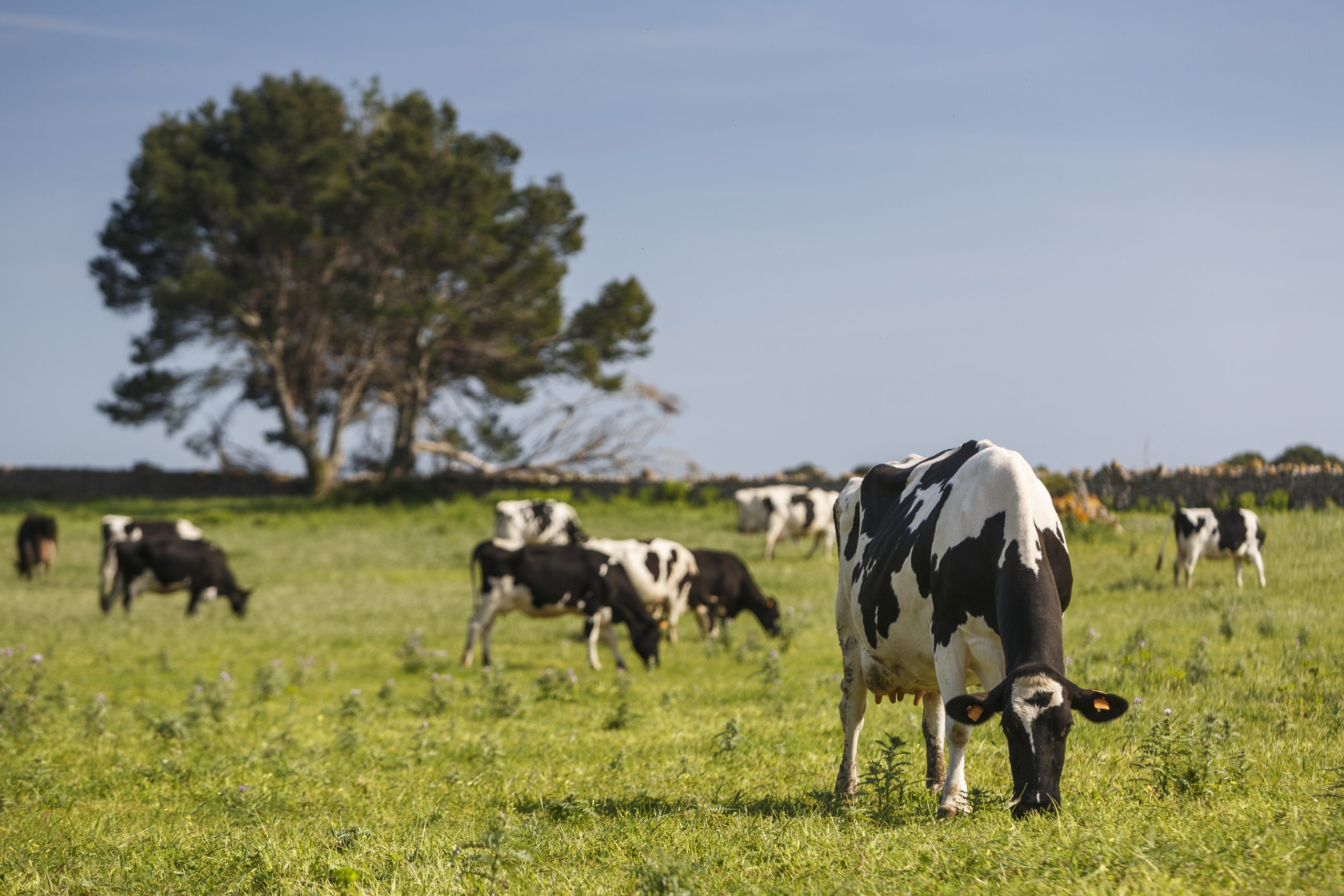
AgriSearch management states that the need for accurate, independent scientific evidence has never been greater, particularly as farmers navigate new environmental policies, higher input costs and rapidly evolving consumer and regulatory expectations.
According to Prof. Boyle, the 2024/2025 report underscores AgriSearch’s unique capacity to deliver this evidence.
This is because it is guided by farmers themselves and trusted across government, research organisations and the wider agri‑food industry, he said
Prof. Boyle emphasised that ensuring AgriSearch remains “fit for purpose and capable of delivering the research and innovation the livestock sector needs” will depend on collective action:
“We will engage closely with farmers and processors to explore opportunities to strengthen levy collection and review levy rates,” he said.
“This is essential to future‑proofing both AgriSearch and the wider industry.”
Related Stories

AgriSearch Beef Conference kicks off in Portadown

New AgriSearch video series aims to support best practice calf rearing

AgriSearch makes new appointments to board of trustees
.editor-styles-wrapper .wp-block-acf-related-stories-block {
max-width: 960px !important;
background-color: var(–color-gray-default);
padding-inline: 40px;
padding-top: 8px !important;
padding-bottom: 20px !important;
}
