First Milk investing £16.8m in cheese production in Cumbria

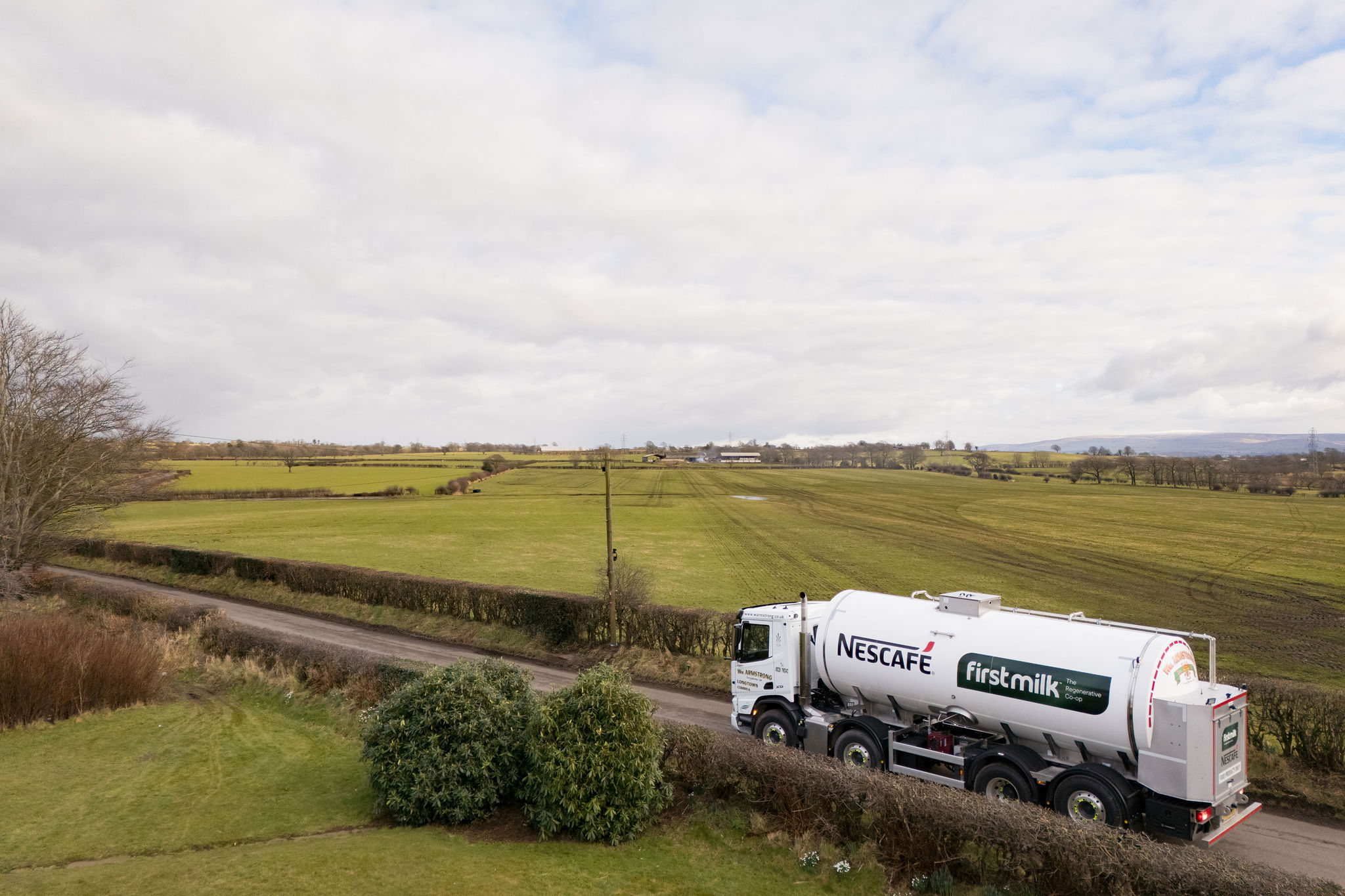
First Milk has announced that it will boosting cheese production with an investment of £16.8 million for its Lake District Creamery in Cumbria, marking the dairy co-operative's largest "single capital investment project to date" at the site.
The investment will go towards replacing the existing cheese vats with larger nes as part of "a significant upgrade to the creamery’s production capabilities".
The dairy co-operative stated that once complete, the investment will reportedly "increase production capacity by a further 20%".
First Milk outlined that the project, which is expected to span two financial years, is aimed at supporting the "efficient production of high-quality cheddar cheese and dairy ingredients, while strengthening the creamery’s long-term operational resilience and future growth potential."
Cumbria
Stefan Mason, who is the cheese business unit director at First Milk, labelled the investment project as a "clear demonstration" of the dairy co-operative's "long-term commitment to the Lake District Creamery, its farmer members and the wider Cumbrian economy."
Mason said: "As a farmer-owned co-operative, we are focused on creating long-term value through efficient, resilient and high-quality dairy production.
"Increasing the capacity and capability of the site will help us meet growing market demand, strengthen operational performance and support future growth across the business.
"“Lake District Creamery is a strategically important site for First Milk, and this investment ensures it remains well positioned for the future," he added.
First Milk
Separately, First Milk also announced that it will be working alongside Nestlé to fund the dairy co-operative's transition from diesel-run trucks to trucks that run on hydrotreated vegetable oil (HVO) fuel.
The HV0-run trucks will reportedly be used to move milk from First Milk dairy farms in Cumbria and Ayrshire to the nearby Nestlé factories in Dalston and Girvan.
First Milk stated that the transition is expected to cut its greenhouse gas emissions for these journeys by "an impressive 83%" , with the dairy co-operative hoping to save around 1,000t of carbon dioxide equivalent every year - which is "the equivalent of more than 200 cars on the road for a year".
First Milk outlined that its HVO fuel is "sourced exclusively from Renewable Fuels Assurance Scheme (RFAS) accredited suppliers, with full traceability."
The move, which will be assisted by First Milk's logistics partners TP Niven and Wm. Armstrong, intends to help fulfil the dairy co-operative's commitment to ensure that "that all milk transport and processing will use renewable fuels by 2030."