Is forage maize a good spring cropping option on arable farms?

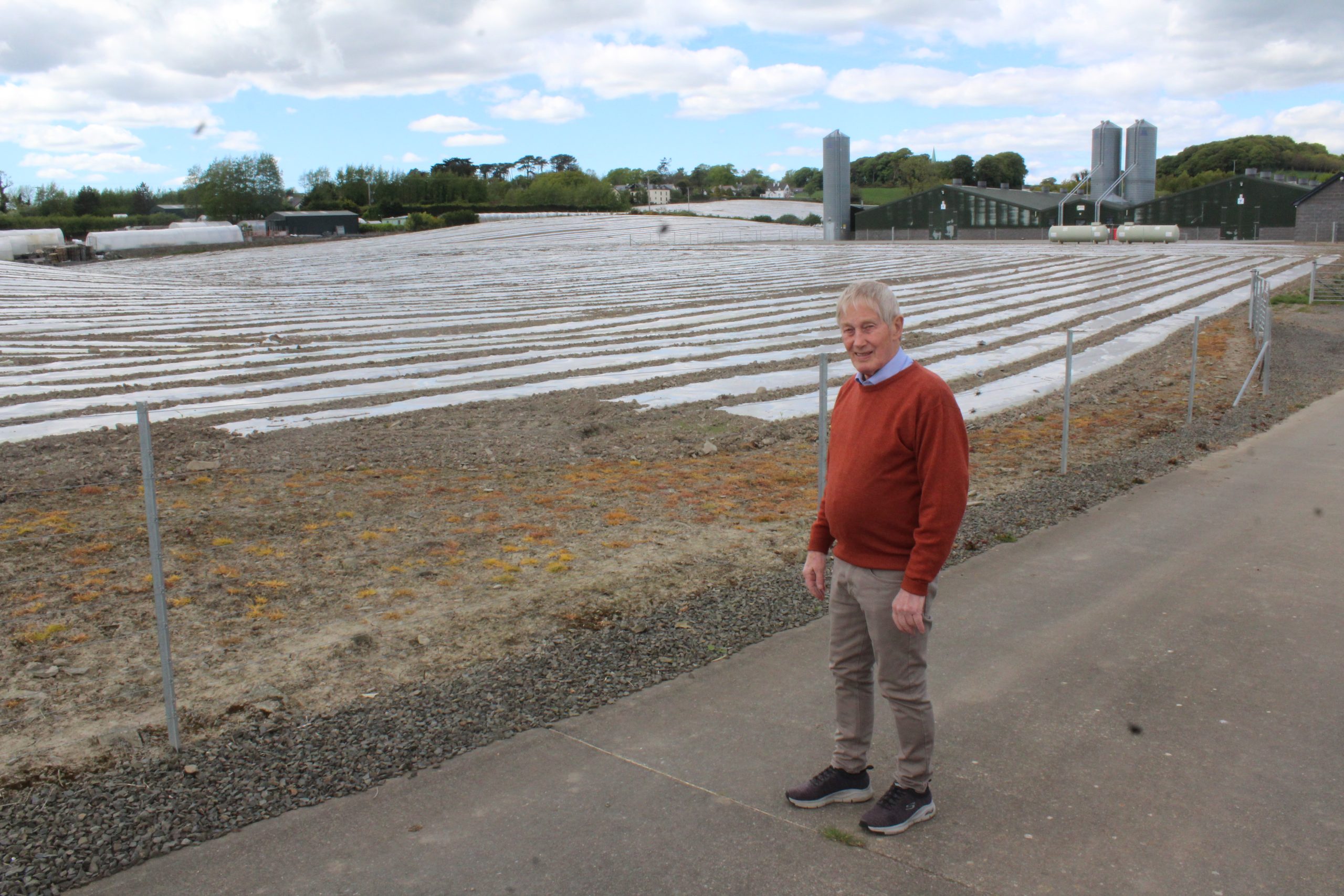
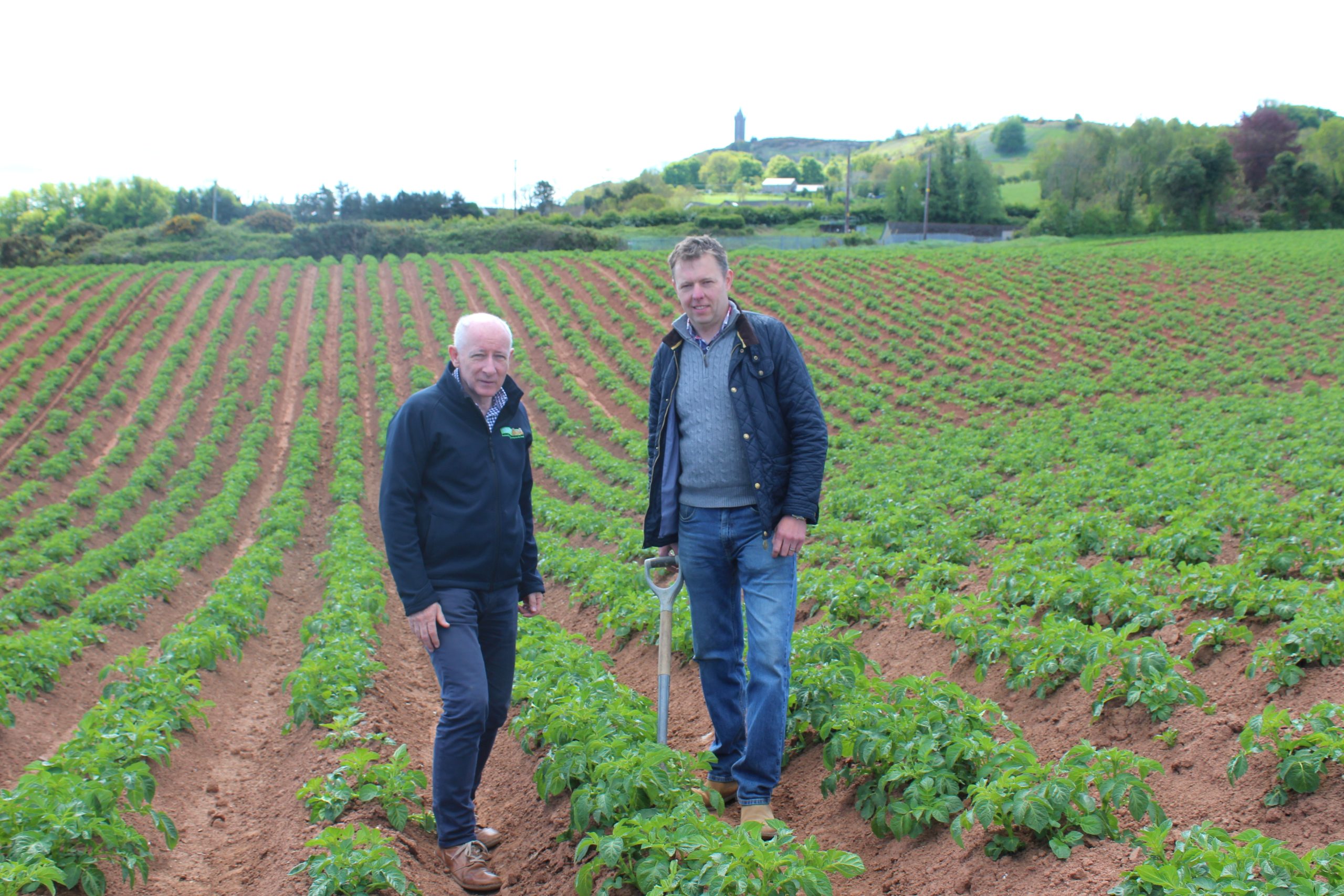
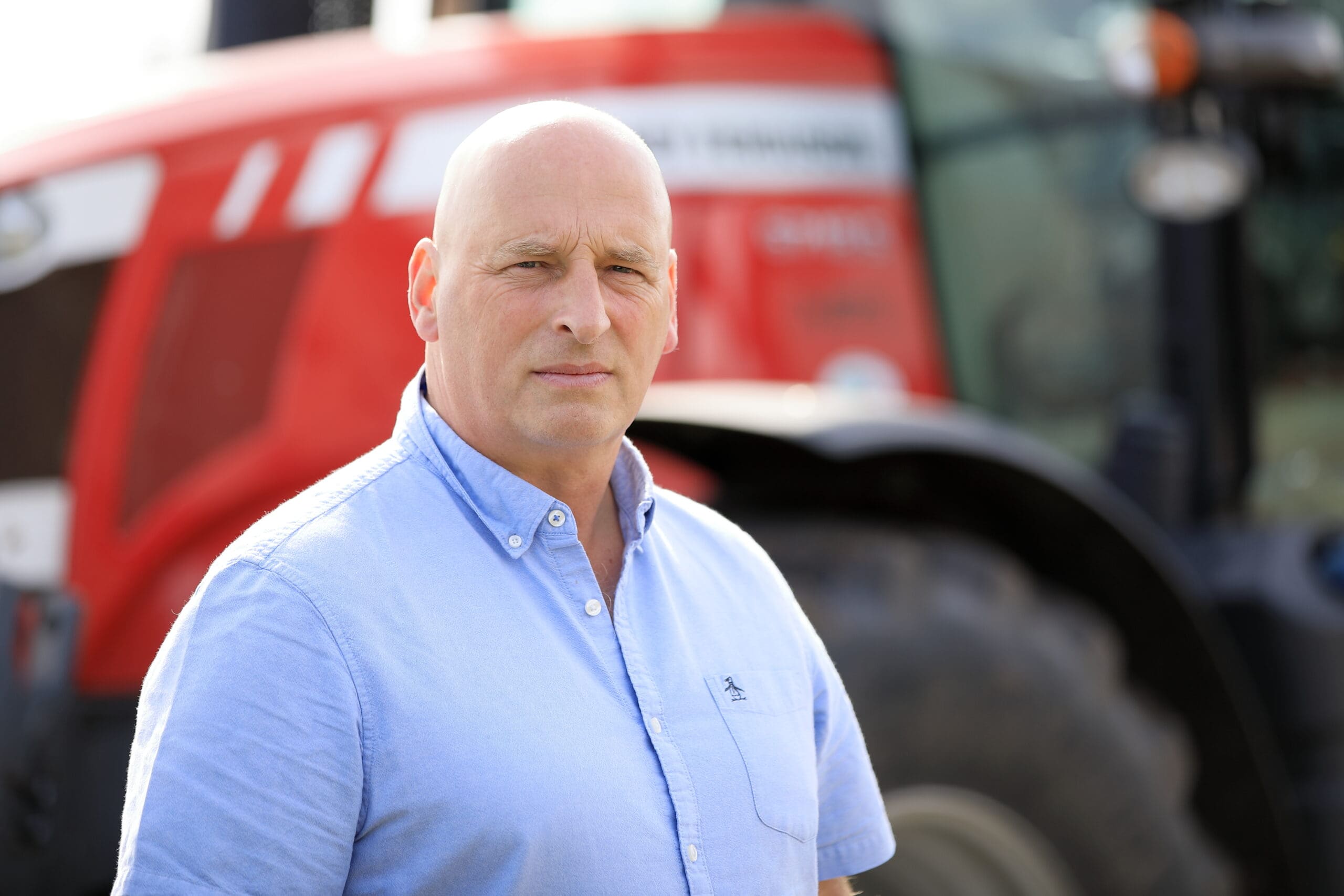
Co. Down arable farmer, Allan Chambers, dedicates one third of his 360ac farm to forage maize production on an annual basis.
It is the only ‘spring crop’ grown within the business.
Allan farms with his nephew, Neill Patterson, close to the village of Clough. The planting of the 2026 maize crops was completed on April 22.
Allan explained: “This was pretty much on a par with the planting dates that we would achieve in a normal year.
“Yes, we had a very wet winter. But ground conditions have dried up extremely well over recent weeks.
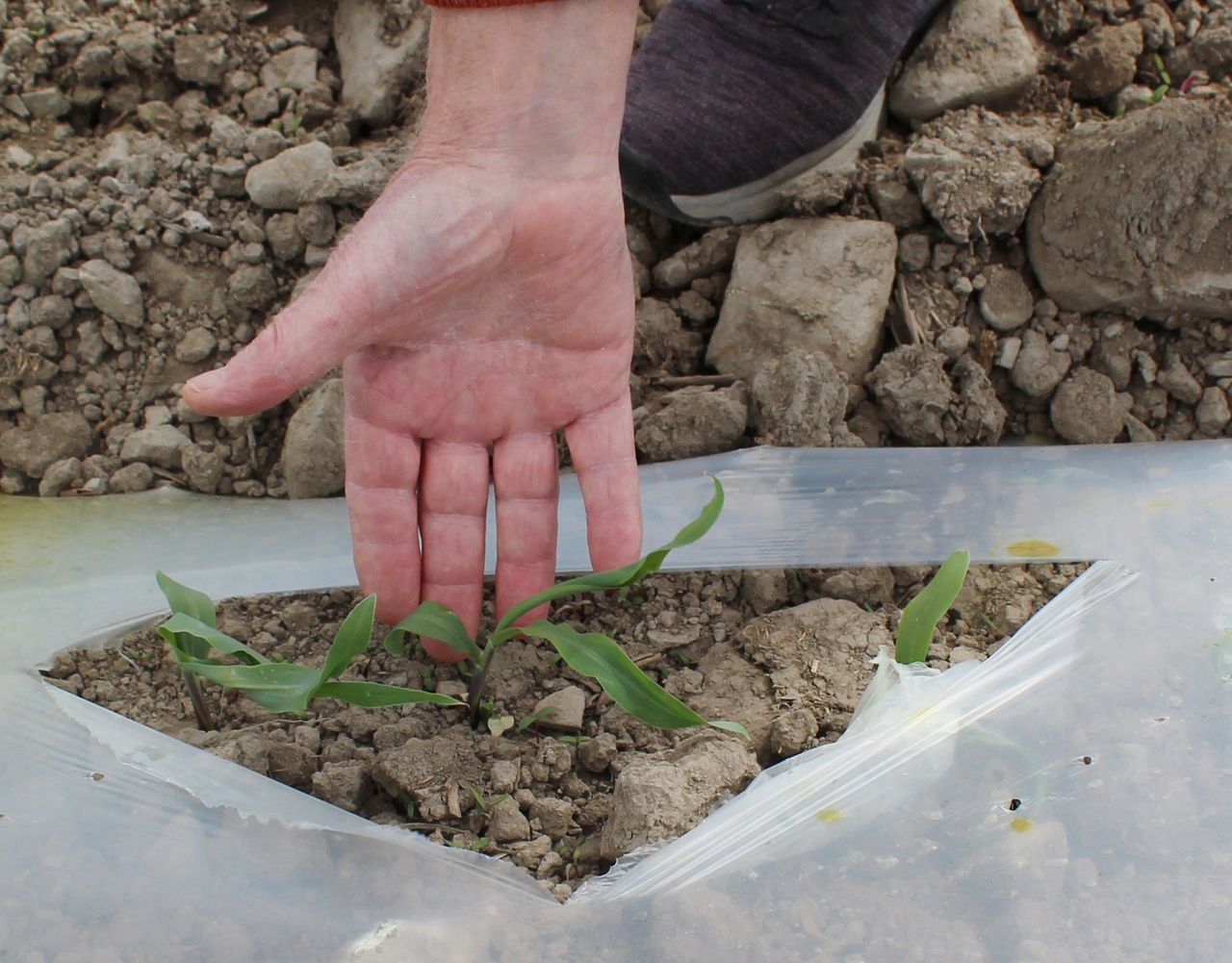
“All the maize is sown under plastic. Young plants are trying to break through the film at this stage.”
He said that maize works on the farm for a number of reasons.
“First off, there is a very strong commercial demand for the crop: both for use in anaerobic digestion systems and as a high quality forage source for dairy and beef cattle,” he said.
“But, in addition, the maize allows us to make full use of the broiler litter that is also available to us on the farm.”
The manure is applied at a rate of 15t/ha and delivers all the phosphate and potash required across the full, three-year cycle of crops grown on the farm.
“It all adds up to a win:win scenario,” Allan said.
Based on a mid-April planting date, Allan and Neill expect to be harvesting their maize crops towards the end of October.
“Weather permitting, we can get the maize harvested and delivered to customers within a day and a half,” Allan commented.
“It’s then a case of establishing a new winter wheat crop immediately thereafter.”
All the maize is grown on a contract basis.
“In other words, we have a customer for our entire cropping area prior to planting,” Allan explained.
“The crop is sold on an agreed price basis, which reflects both yield and dry matter content at time of harvest.
“There is no on-farm storage of the crop required on this farm and we do not get involved in any form of silage making.”
Fundamentally, Allan views maize as an invaluable break crop within the arable rotation followed on the farm.
He said: “Take-All can be a major problem in second or third wheats.
“But we don’t have this problem to contend with as we are, essentially, growing first wheat crops every time.”