Lameness control may be needed ahead of breeding

As we enter into the final few weeks before the breeding season, there will be a focus on keeping lameness to a minimum to ensure the oestrus cycle goes unaffected.
During such a poor spring, it is easy for cases of lameness to start popping up.
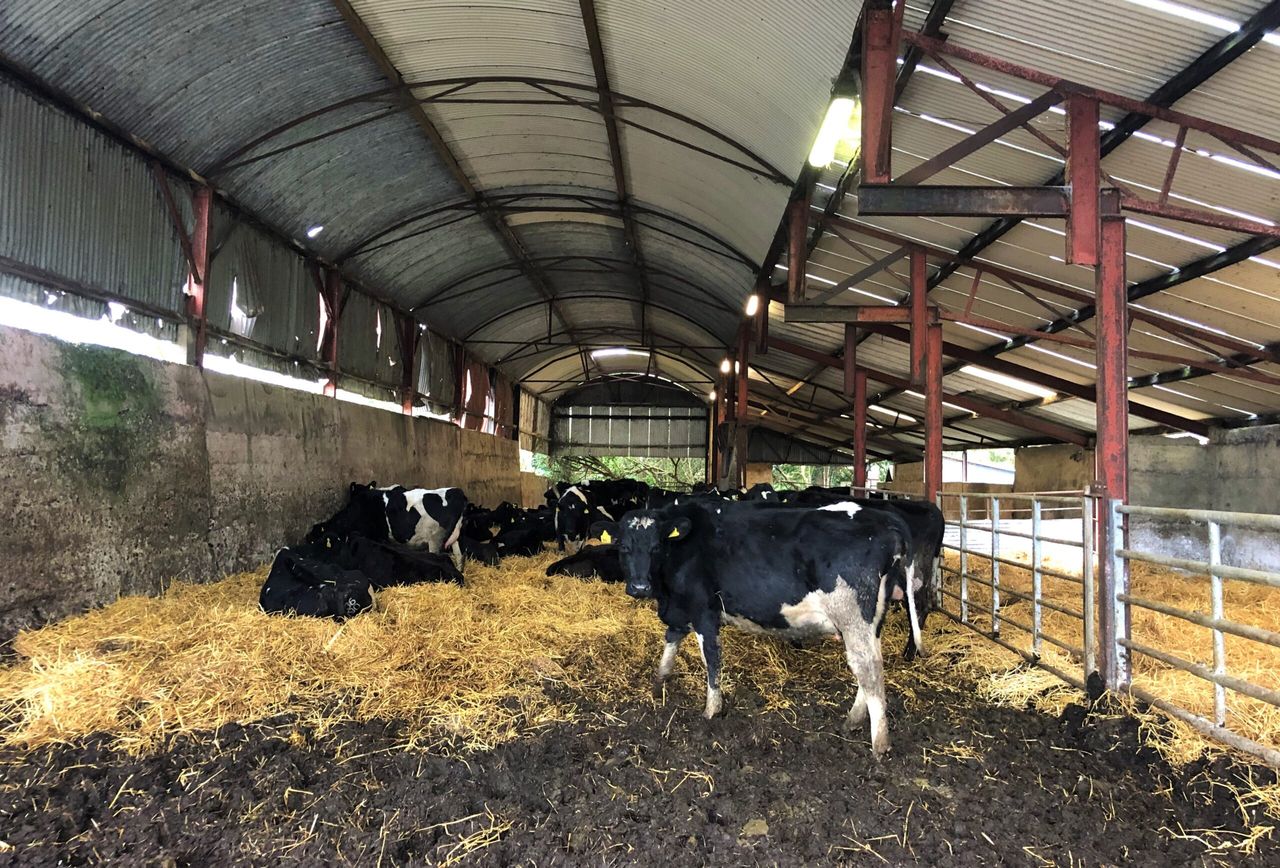
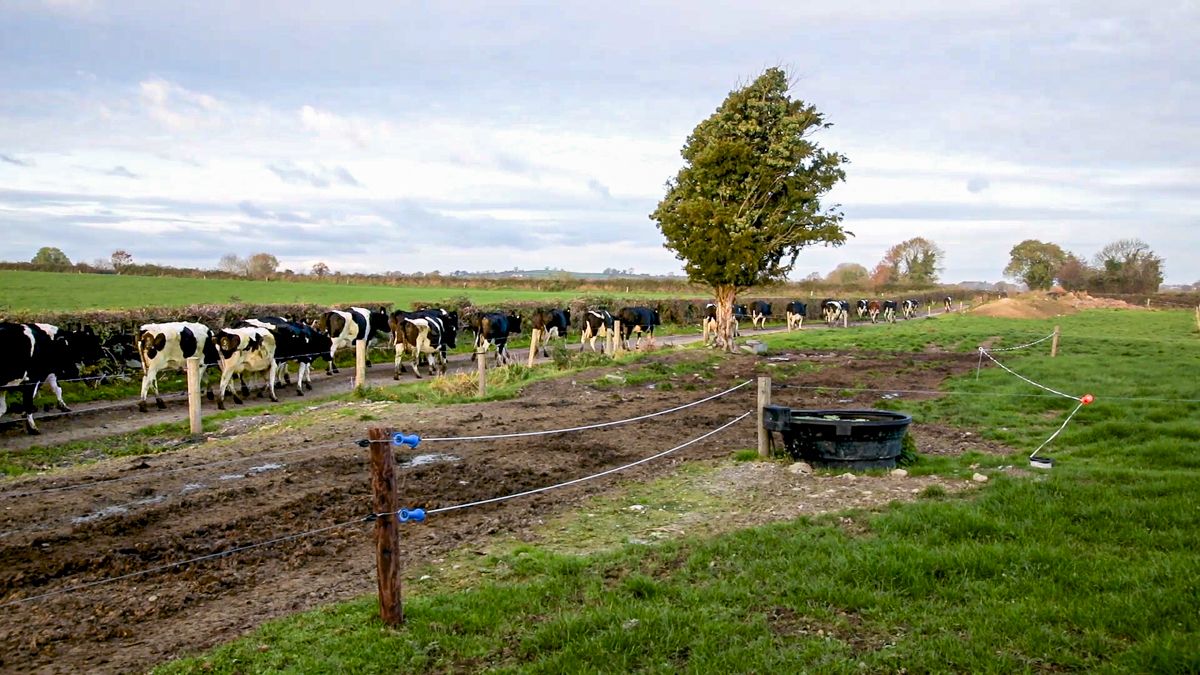
Deteriorated roads and pasture conditions may lead to mechanical issues in cows at grass, while cows still housed may be at risk of infectious issues after such a long winter.
If a cow does go down lame, her normal behaviour will be affected.
She will be lying down more regularly to rest the affected hoof or limb, which ultimately means she will eat less and be less likely to show normal oestrus behaviour, all while production also falls back.
That is why it is crucial to identify any cows that are lame in the herd now, so that they can get back to their normal behaviour before the breeding season comes around.
Monitoring
It’s easy to spot extreme cases in the parlour, but the less obvious cases often slip through the cracks, which are the ones that typically result in abnormal cycling and lost production.
Therefore, it is well worth taking a bit of time between now and breeding to carry out locomotion scoring.
Locomotion scoring will score the cows from worst affected to the best on how they travel on their feet, helping you to identify issues before they progress to a critical stage where they are staggering along at the back of the herd.
Locomotion scoring is a five-point system based on both gait and posture, and is scored as follows:
- Normal: The cow is not lame; the back is flat;
- Mildly lame: The back is slightly arched when walking;
- Moderately lame: The back is arched when both standing and walking. The cow walks with short strides in one or more legs;
- Lame: The lame cow can still bear some weight on the affected foot;
- Severely lame: The back is arched; the cow refuses to bear weight on the affected foot and remains recumbent.
A lot of farms use a four-point scoring system, as they refer to normal as zero.
A cow’s hind foot should land in the same place as her front foot; failure to do this may be an indication of a lameness issue.
Lameness
No matter how you breed your heifers, they are still the next generation of the dairy herd, so preventing lameness in that cohort should be crucial.
If a heifer becomes lame once, she is much more likely to become lame again in the future, as structural changes occur within the hoof and a new bone can grow on the surface of the pedal bone, which leads to the sole of the hoof becoming vulnerable.
This greatly increases the chances of the heifer being culled at an earlier stage than anticipated.
It is not always a case of culling them from the herd just because they are prone to lameness, but more the fact that the issue generally has a severe impact on their overall lifetime performance within the herd.
Obviously the aim should be to prevent lameness altogether at a whole herd level, but for heifers, delaying the first episode of lameness for as long as possible is key to life-long hoof health while maximising overall lifetime performance.
Prevention
Preventing lameness for any animal starts with managing all the environmental risk factors to avoid damage to the hoof.
Considering poor roadways are often one of the biggest culprits for lameness, and after such a wet start to the year, farmers should look at the laneways to see what condition they are in.
Uneven, stony surfaces can lead to trauma and bruising of the hoof, while wet and muddy surfaces can cause softening of the claw horn and skin.
To prevent water damage you ideally need a crossfall at a ratio of 1 in 25 on the roadways, with channels opened every 5-10m if the road is sloping into a grass verge.
It may be worth topping up the binding of the road also, looking for a finish of 25mm of 804 (T1) gravel packed in tightly.
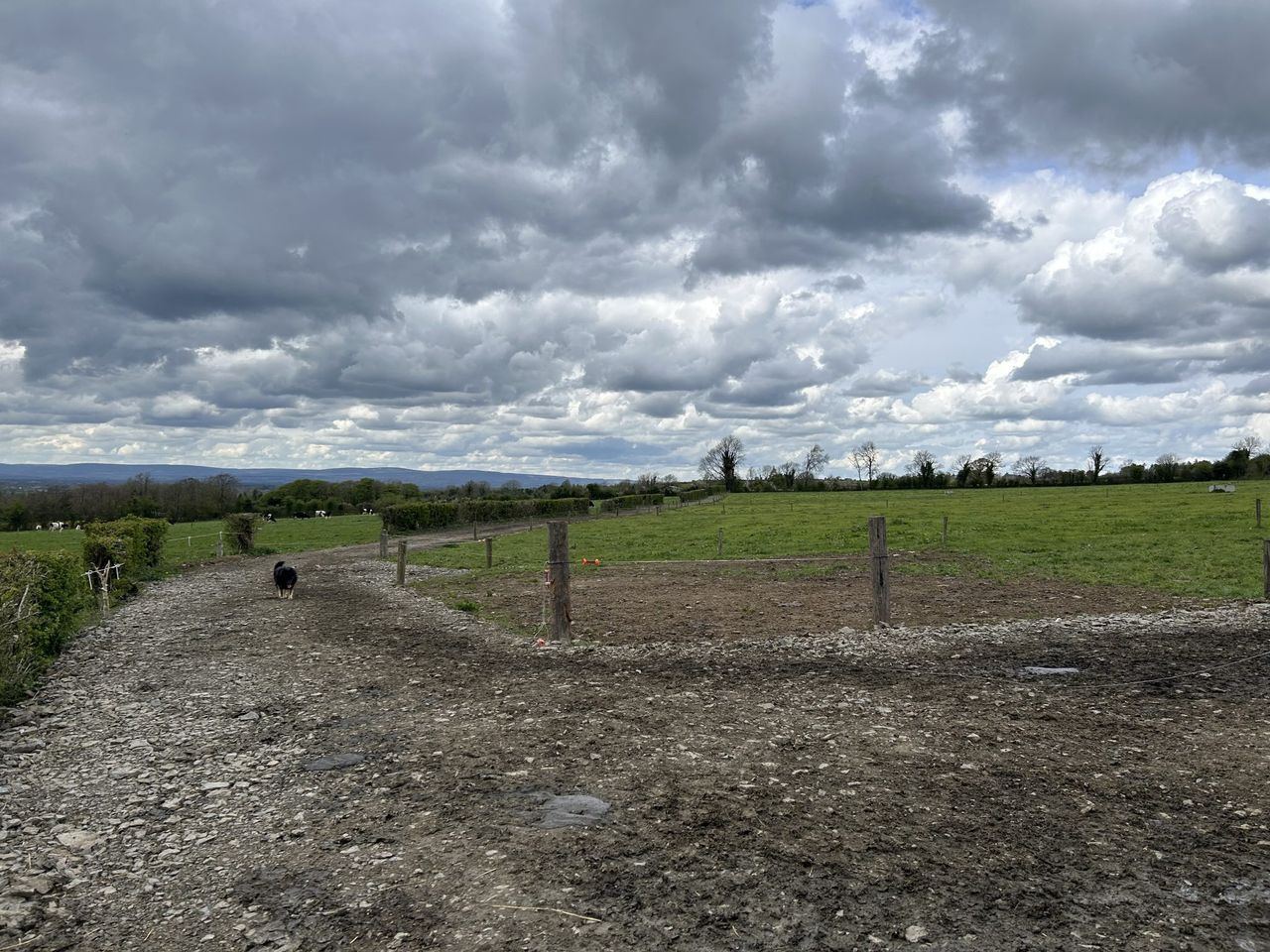
It is also worth ensuring that the road itself is wide enough for the herd.
A 150-head-herd should have a roadway width of 4.5m, adding an additional 0.5m for every 100 extra cows, and leaving an extra metre in areas of congestion.
There should also be adequate room in the collecting yard, as this is where lameness issues often start.
There should be a space of 1.5m2/animal; if cows are bunched in with heads in the air, you will more than likely end up dealing with lameness issues.
If there are a number of cows or heifers lame in the herd, you need to consult with your vet or hoof trimmer as soon as possible and firstly identify whether it is infectious or non-infectious hoof lesions.
Infectious lameness like digital dermatitis (mortellaro) or sole ulcers will have to be treated with regular foot bathing.
Non-infectious or physical lameness like white line disease or sole bruising will have to be hoof trimmed and treated accordingly.