Oz dairy farmers call for 30c/L milk price increase amid Iran conflict

Dairy farmers in Australia are calling for the price of milk to increase by at least 30c/L to help mitigate the escalating costs of fuel and fertiliser.
It is a tough time being a dairy farmer in Australia right now, with one crisis after another squashing any profits to unsustainable levels.
Current milk prices are bad enough, but when coupled with droughts, floods, and now high fuel and fertiliser prices, the situation for the farmers is being described as critical.
In 2015, the total number of registered dairy farms in Australia was 6,128 and by 2025 that number had fallen to 3,772.
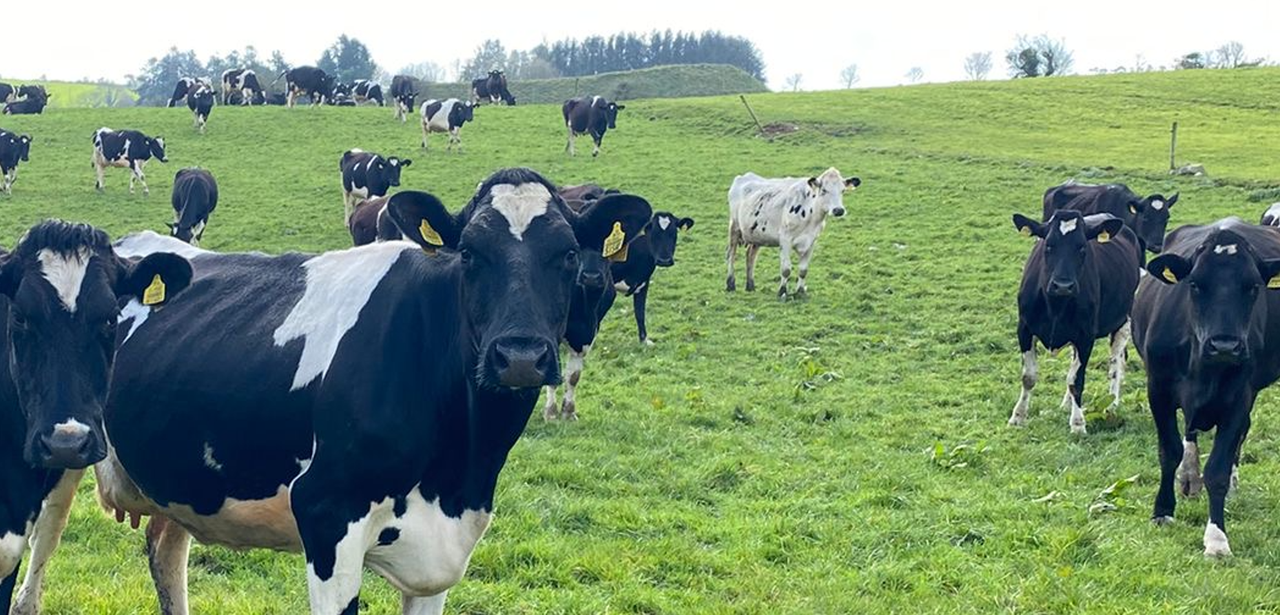
The national herd size is around 1.3 million cows producing over eight billion litres of milk per year.
Aussie dairy farmers fear more farms could shut their gates if there is no easing of costs pressures, and already some are cutting cows numbers and production to try and save money.
Aussie dairy farmers
The immediate biggest concern is the ongoing Iran war which is continuing to push up oil and diesel prices, adding more costs to producing milk.
According to Tim Bale, president of eastAUSmilk, a lobby group for dairy farmers in Queensland and New South Wales, milk production could plummet soon.
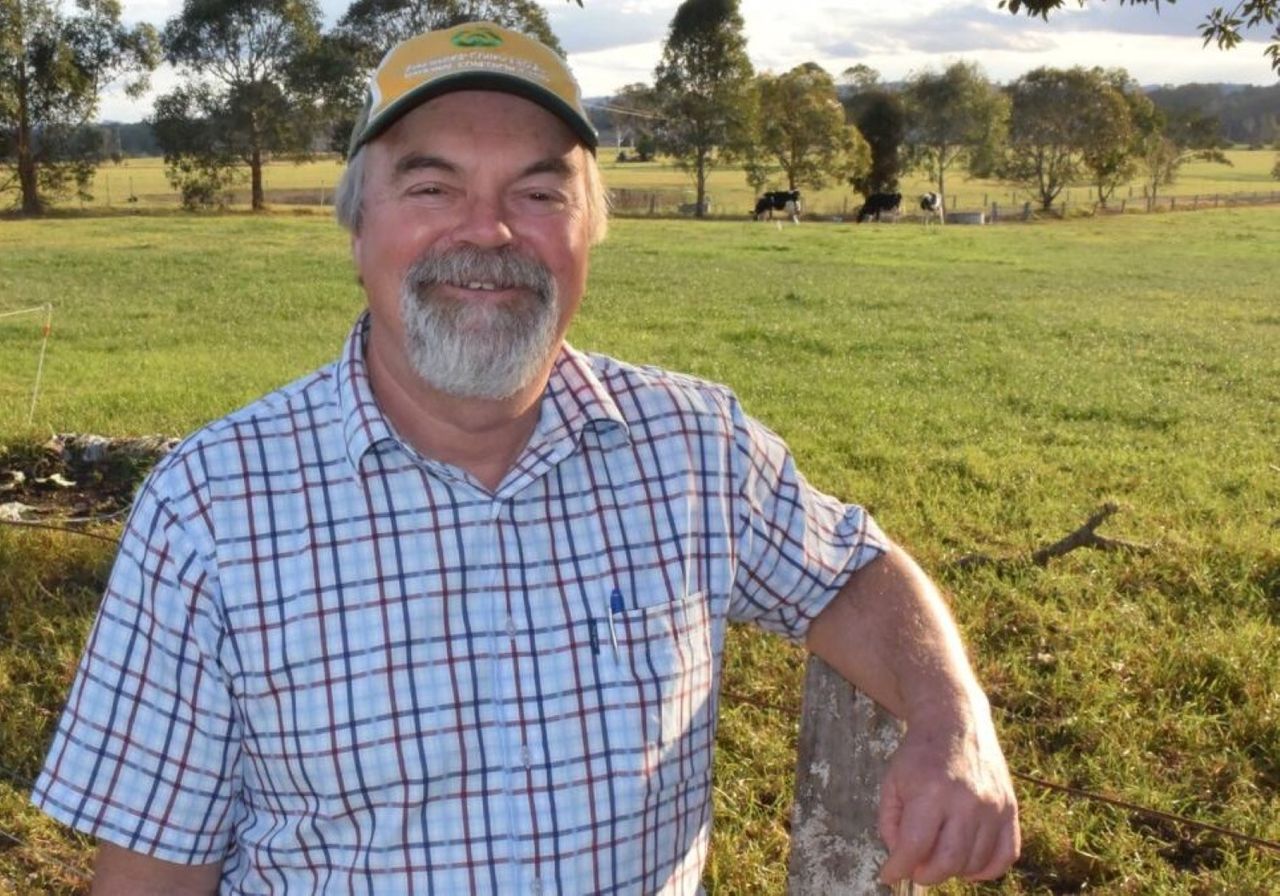
Bale said: “Dairy farmers need a price increase immediately before milk production plummets. They cannot afford to sit back and hope that things improve.
“Many have already made the difficult decision to sell good dairy cows to fund the extra costs for fertiliser, fuel and other products.
“Milk prices paid to dairy farmers must increase by around 15c/L in the coming weeks just to cover the increase in costs that dairy farmers are facing.
“If not, production will fall significantly over the coming months,” he warned.
Bale said this increase must come down the retail chain and urged consumers to pay a bit more in the shops to help support the farmers.
He said: “We want to see milk processors and retailers also receive extra payments to cover their increased costs over the past few months.
“As a result, milk on shelf for all brands needs to increase by at least 30c/L.
“Food security has been talked about for years with dairy and seafood identified by government as the two most at-risk industries.
“Right now, a milk shortage is almost guaranteed if milk prices paid to farmers do not go up now to reflect the massive increase in costs,” he added.
The group is strongly encouraging all milk processors to immediately negotiate with their customers, including major retailers, to adjust prices to reflect the cost increases felt by both farmers and processors.
“The current price of store brand milk is AUS$3.30 for 2L,” Bale continued.
“It is unfathomable to see how any milk could sell for less than $4.00 for 2L given the current cost increases.”
Costs
Some prices being quoted suggest fertiliser costs, using urea as an example, have increased from AUS$800 to an unprecedented cost of $1,800/t.
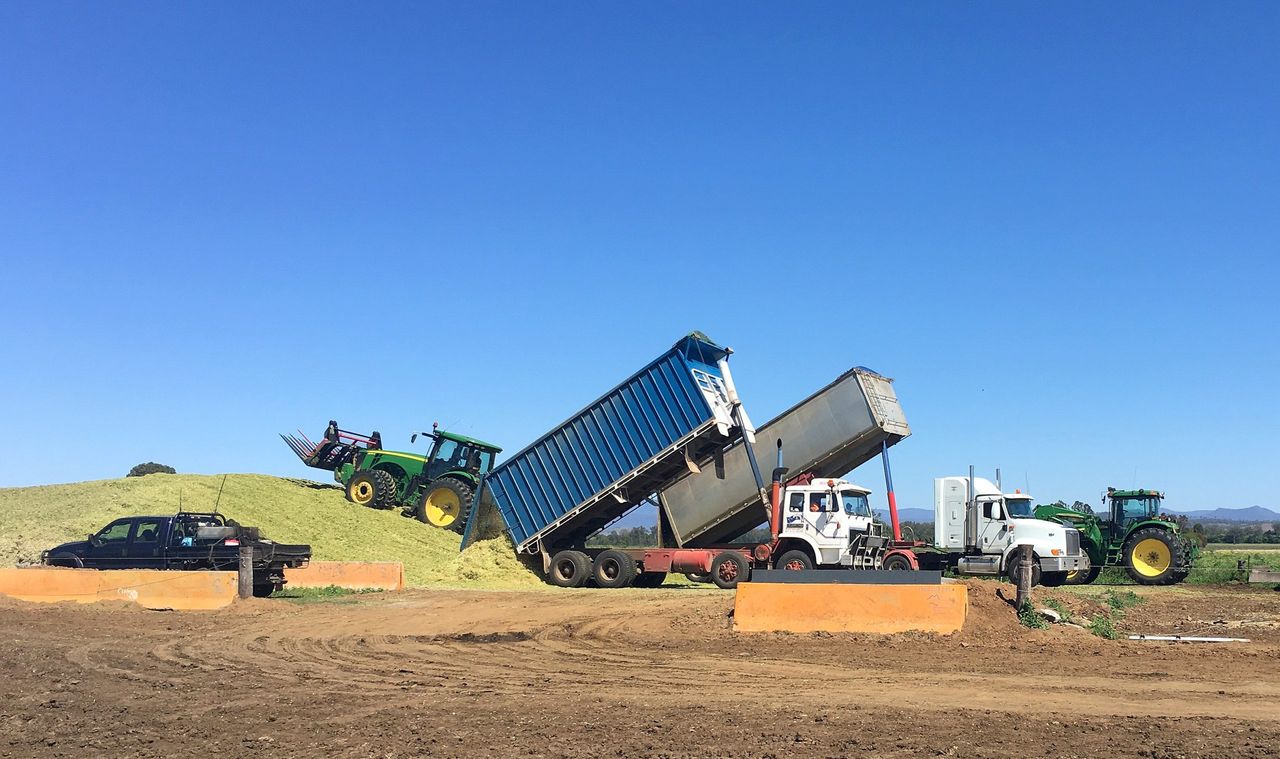
And diesel has increased in price from under $2/L to over $3/L in just a couple of weeks.
Australia relies on importing 90% of its transport fuels and has less than one month’s supply of diesel, and only a few days more of petrol, in its current storage reserves.
Australian Dairy Farmers (ADF) is the national industry representative body representing dairy farmers across the six dairying states.
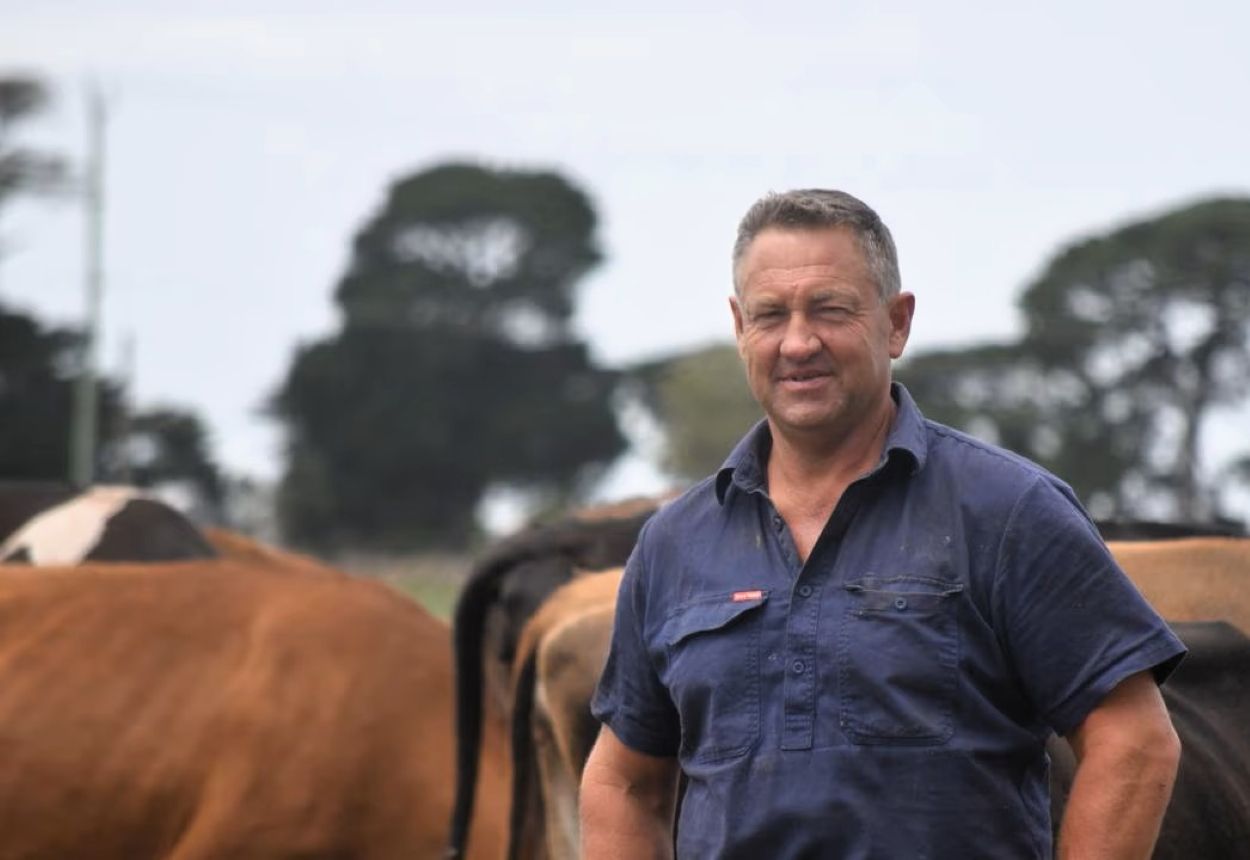
ADF president, Ben Bennett, said the dairy industry is uniquely vulnerable due to its continuous production cycle and reliance on diesel across every stage of operations.
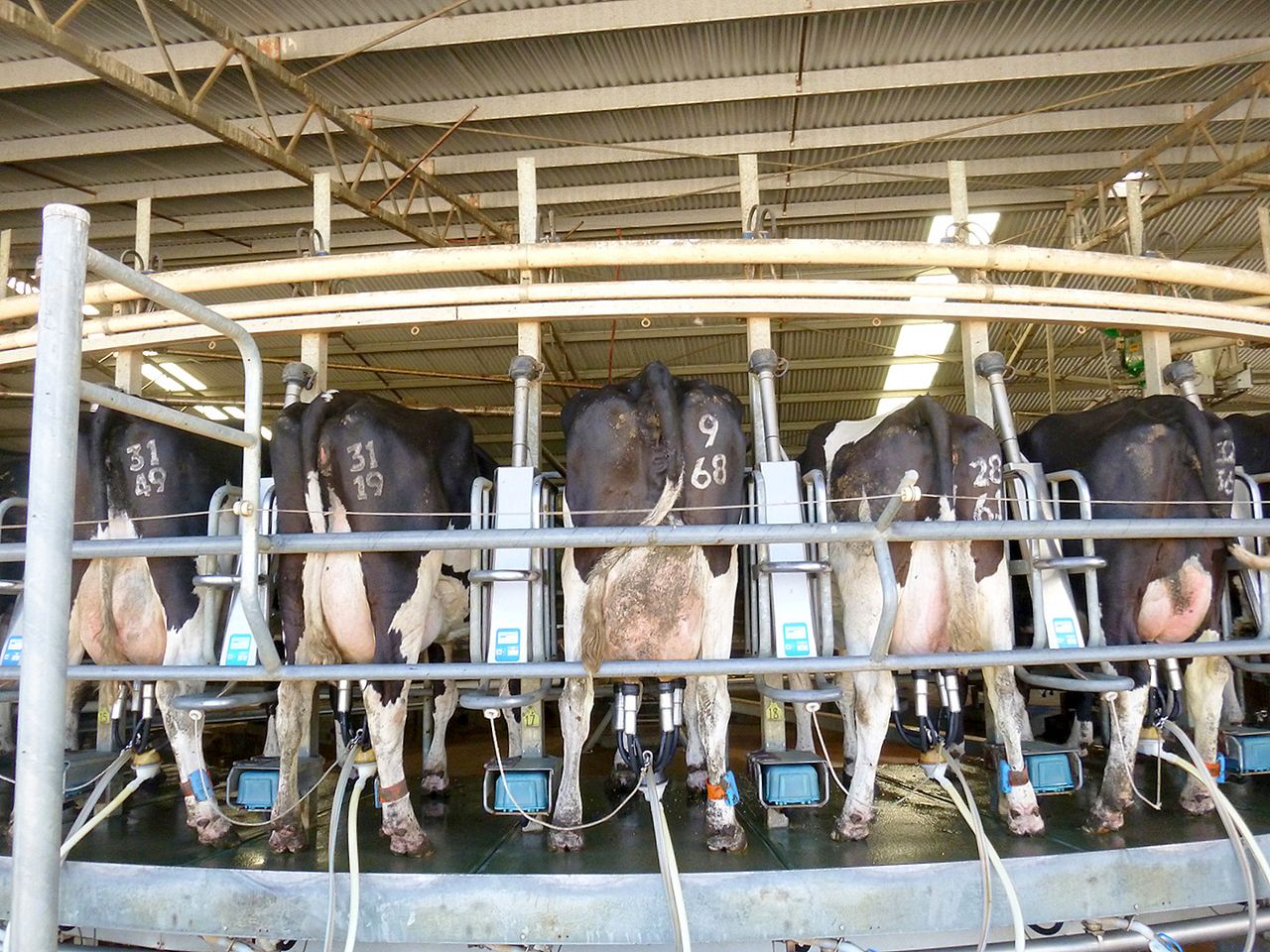
He said: “Dairy is not a sector that can pause. Cows must be milked every day, milk must be collected every day, and it must reach processors and consumers quickly.
“This is a highly perishable staple product. If fuel is not available, milk is lost, animal welfare is compromised, and supermarket supply will be affected.”
The fuel and fertiliser costs hikes have arrived at the worst time for the Australian dairy farmers as they are in the harvest period for silage and maize harvesting, and winter planting for next season.
In the midst of harvesting his maize corn, Tamworth dairy farmer Mitch Brown said: “After a very hot and dry summer with only 75-100mls of rain, this crop will only yield 55-60t/ha.
“That’s bad enough, and it will cost us $3,000/ha just to take this corn off. The hike in fuel price has added $200/ha,” he said.