Researchers publish roadmap for higher-welfare pig farming

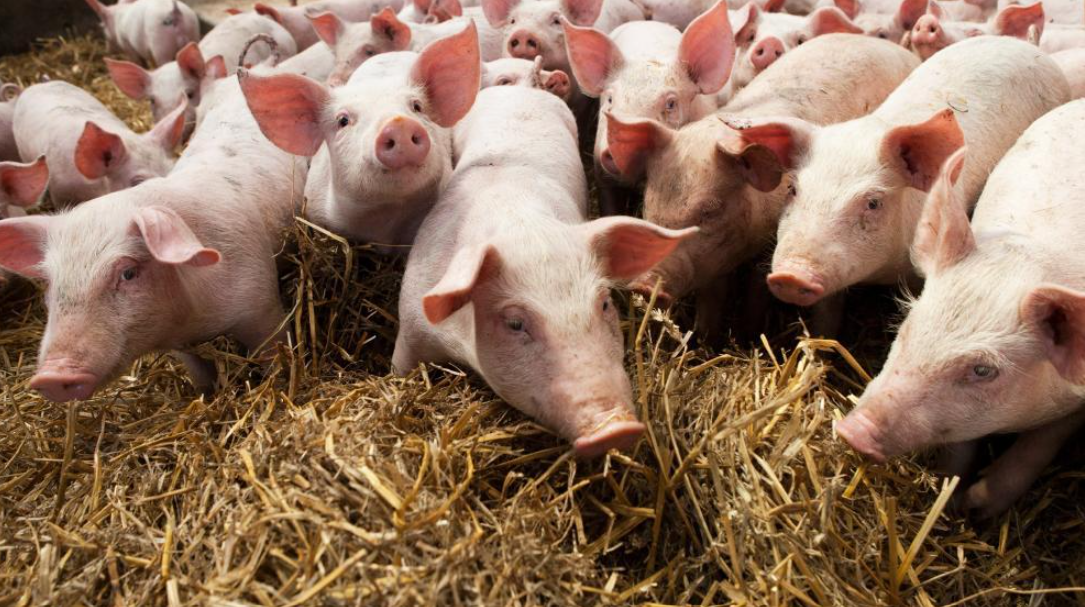
The OneWelPig project, which aimed to advance sustainable and high-welfare pig production systems across the island of Ireland, hosted its final project event this week.
A highlight of the event held at Teagasc Ashtown was the launch of a cross-industry ‘Roadmap for Higher Welfare Irish Pig Farming’.
The event showcased key findings from the four-year collaborative project funded by the Department of Agriculture, Food and the Marine and the Department of Agriculture, Environment and Rural Affairs, Northern Ireland.
The project brought together researchers from Teagasc, University College Dublin (UCD), Queen’s University Belfast, and the Agri-Food and Biosciences Institute (AFBI).
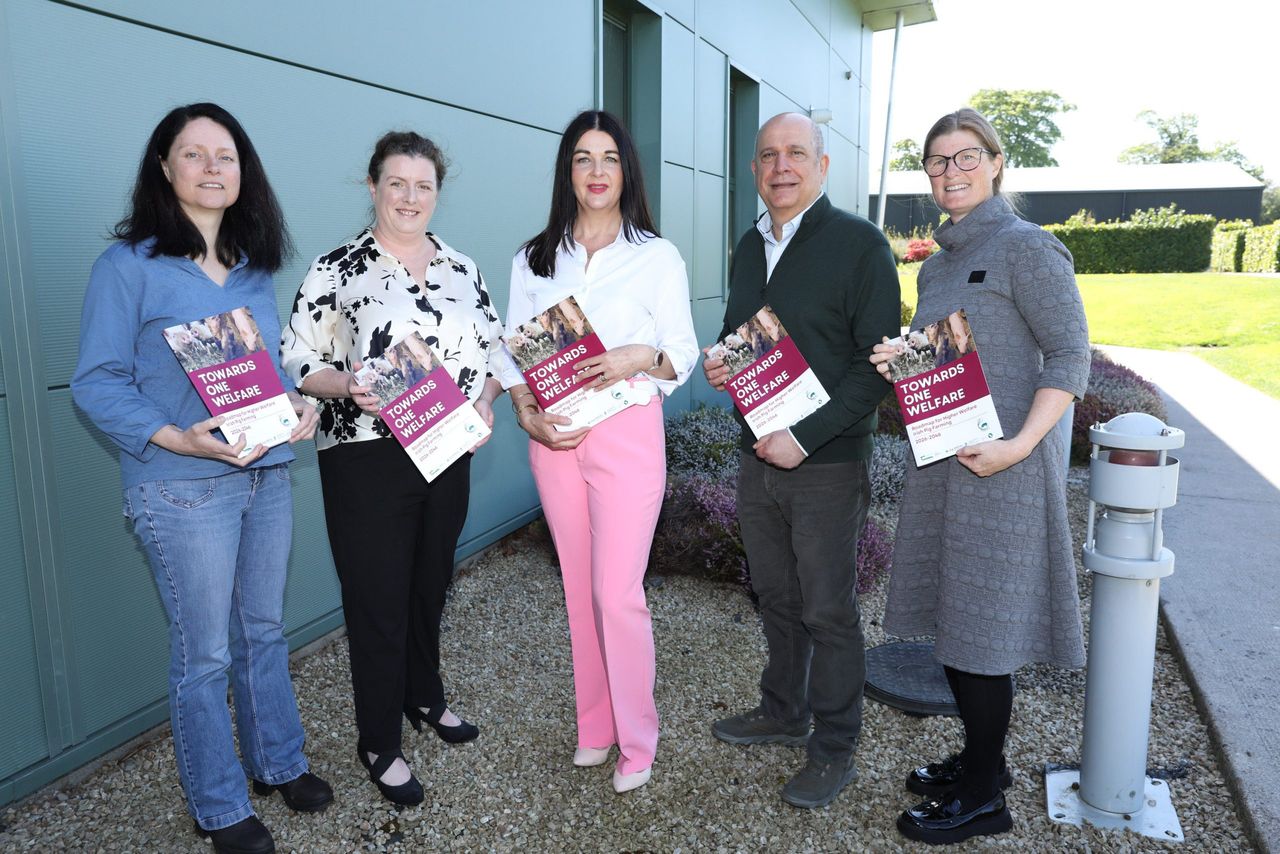
A unique approach of the project was that it applied a ‘One Welfare’ framework, recognising the interconnected health and welfare of animals, people, and the environment they share, those involved said.
The project evaluated alternative systems for producing pigs indoors and is the first on the island of Ireland to study pasture-based and agro-forestry production systems.
In all cases the research was approached from social, animal, and environmental perspectives.
Roadmap for higher welfare pig farming
The most significant output for the Republic of Ireland is the publication of a plan for transitioning parts of the industry towards higher-welfare systems, which was co-designed with stakeholders.
The Roadmap for Higher Welfare Pig Farming presents a vision of an enlarged outdoor/free range pig production sector, a new higher-welfare indoor sector and standard good-welfare pig production.
In addition, five-year and 20-year aims were presented, along with recommendations for how to achieve this change.
Laura Boyle, Teagasc and OneWelPig principal investigator, explained: “The true cost of conventionally-produced pigmeat is higher than what we pay at the till with associated negative impacts on humans, animals, and the environment.
“These ‘One Welfare costs’ make it incumbent on us to investigate sustainable alternatives.
“OneWelPig demonstrated that these systems deliver ‘One Welfare’ benefits though there are some trade-offs.
“Our final event disseminated years of rigorous research translating it into valuable lessons learned for producers, policymakers, and the wider supply chain.”
‘Clear pathway’
Siobhan Mullan of UCD, lead project partner and chair of the roadmap working group, said that representatives from across industry as well as conventional and outdoor pig farmers, “considered both scientific evidence and experiences of other countries”.
They then reached a “consensus in proposing this clear pathway to achieve an increase in alternative pig production in Ireland”.
“We believe the mechanisms required are achievable through effective incentives and advisory support, and we hope that before too long consumers will have ready access to higher welfare pork products across the country,” Mullan said.
Ilias Kyriazakis of Queen’s University Belfast, lead project partner, said: ‘‘Queen’s led the assessment of the environmental and social impacts associated with the system changes proposed by OneWelPig.
“Outdoor pig farms carry a higher carbon footprint, yet they deliver substantially lower terrestrial and aquatic pollution impacts compared with conventional indoor systems.
“At the same time, we found that farmers and workers in outdoor enterprises report greater job satisfaction, even though they face greater financial insecurity than their conventional counterparts.
“These findings highlight the complex trade-offs inherent in transitioning to alternative pig systems and underscore the need for balanced, evidence-based policy and investment decisions.”
Climate
Stephanie Buijs of AFBI, lead project partner said it was great to see how the pigs thrived in the outdoor environments that were evaluated at the test facility at Loughgall.
“They made good use of the opportunity to go out to root and explore their surroundings, had very few health issues and grew well,” Buijs said.
“We were quite surprised to see that even in the local climate, heat may be a bigger challenge for pigs than cold or wet weather.
“However, environmental impacts like nutrient leaching were challenging and required adapted management during wet periods.”