So what’s in the new Nutrients’ Action Programme for Northern Ireland?

It is envisaged that Northern Ireland will have a new Nutrients Action Programme (NAP) in place for the beginning of 2027, running through until the end of 2030.
The starting point to meet this deadline is a 10-week consultation period.
This will allow views from across society as a whole to be registered on a proposed series of measures designed to improve water quality in Northern Ireland.
The recommendations contained within the consultation document were drawn up by a Task Force and Finish group, representing a cross-section of bodies operating within the agri-food and environmental sectors.
Members of the group met regularly over a nine-month period.
Their proposals, if accepted, will impact on a wide range of agricultural practices followed in Northern Ireland.
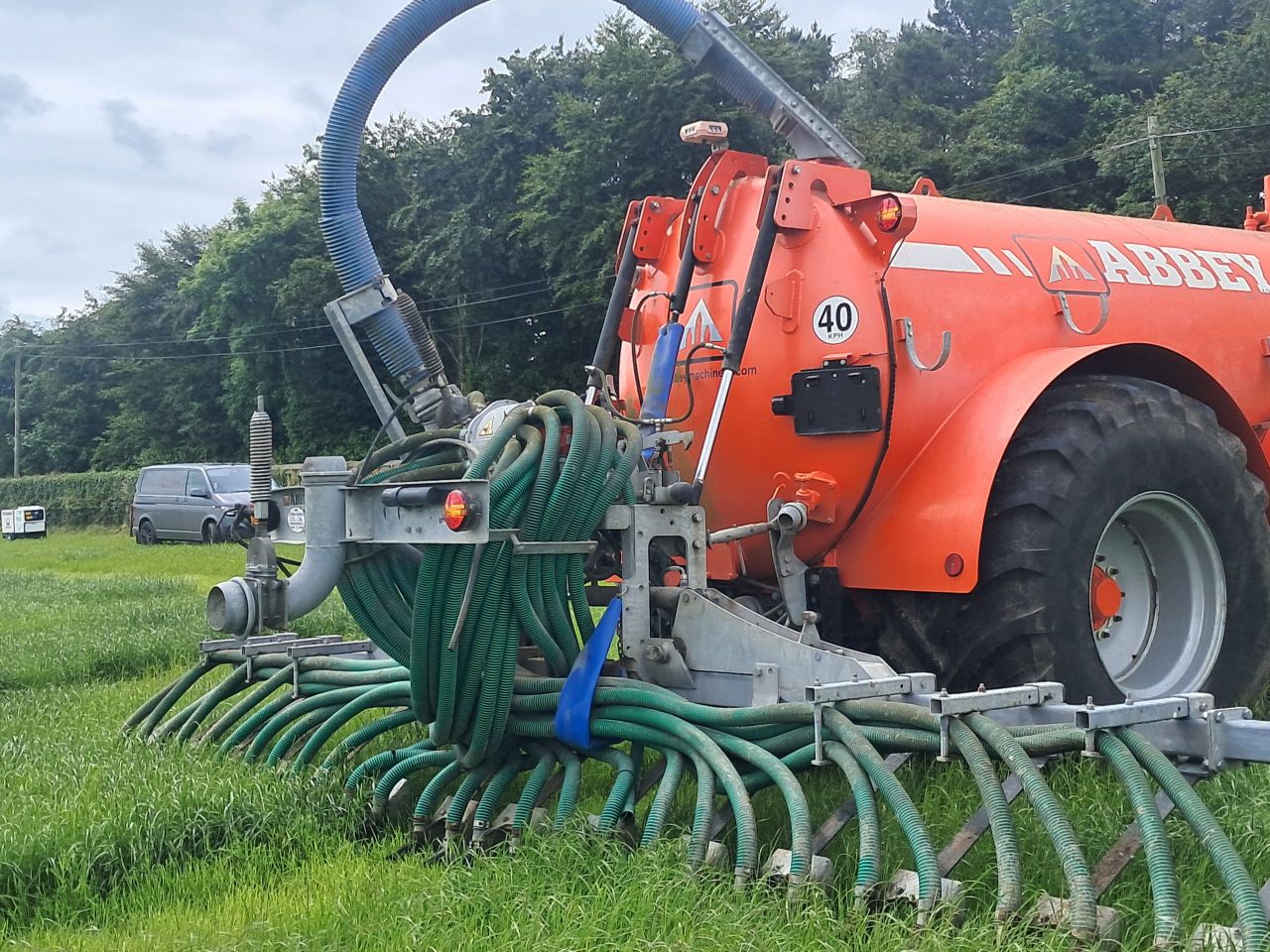
The proposed measures have been developed to provide a more targeted and practical approach to reducing nutrient losses and improving water quality.
They are based on available evidence, informed by stakeholder input, and designed to be deliverable in practice across a range of farm systems.
The proposed measures from the review of the NAP have been grouped into seven categories:
- Nutrient management;
- Manure storage and application requirements, specifically relating to ammonia emissions;
- Farming practices to improve nutrient use and water quality;
- Utilising technology;
- Additional measures to support environmentally sustainable farming;
- Definition updates;
- Implementation measures.
Some isues contribute to more than one category. Where this is the case, DAERA recognises that these proposals are cross-cutting and support several aspects of the programme.
This grouping is designed to make the proposals easier to understand, support clear and structured responses, and show the different ways the programme aims to reduce nutrient losses from agriculture.
The history of NAP
The first Nitrates Action Programme for Northern Ireland was introduced in 2007 and a decision was taken to apply the measures across the whole region to reflect local farming practices and environmental conditions.
The initiative has been reviewed and updated several times since then, in 2010, 2014 and 2019, and it is now referred to as the Nutrients Action Programme (NAP).
In 2007, Northern Ireland secured a derogation from the European Commission, which applies to a small percentage of farms.
This allows eligible farmers to apply up to 250kg of nitrogen (N) per hectare per year from grazing livestock manure, instead of the standard limit of 170kg, subject to meeting additional environment requirements and inspections.
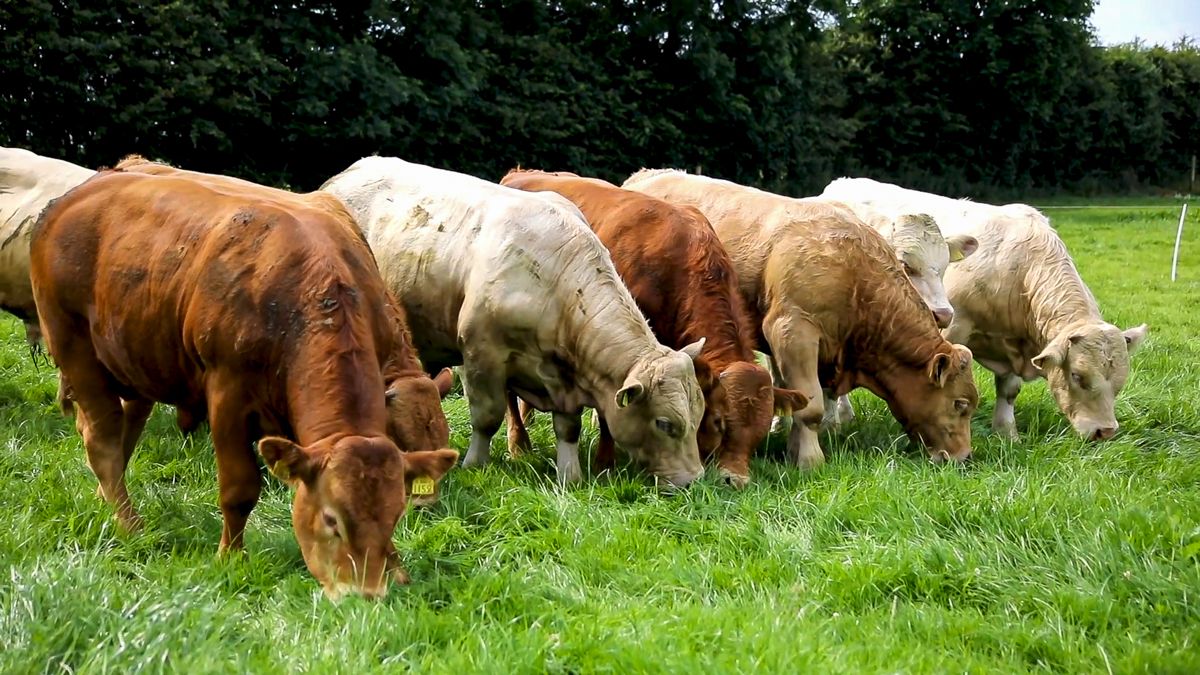
This derogation was renewed at each review following intense scrutiny by the European Commission and each time required a vote at the EU Nitrates Committee.
Nutrient stewardship
A key theme to the new 2026 NAP proposals is the introduction of the concept of "nutrient stewardship".
The current NAP derogation allows certain farms to operate under a higher N loading, provided they do not pose a greater risk to water quality than farms operating under the standard rules.
Farms operating under derogation must continue to protect water quality. All other relevant environmental legislation continues to apply to these farms.
The NI derogation is based on a scientific case in accordance with objective criteria specified in the EU Nitrates Directive.
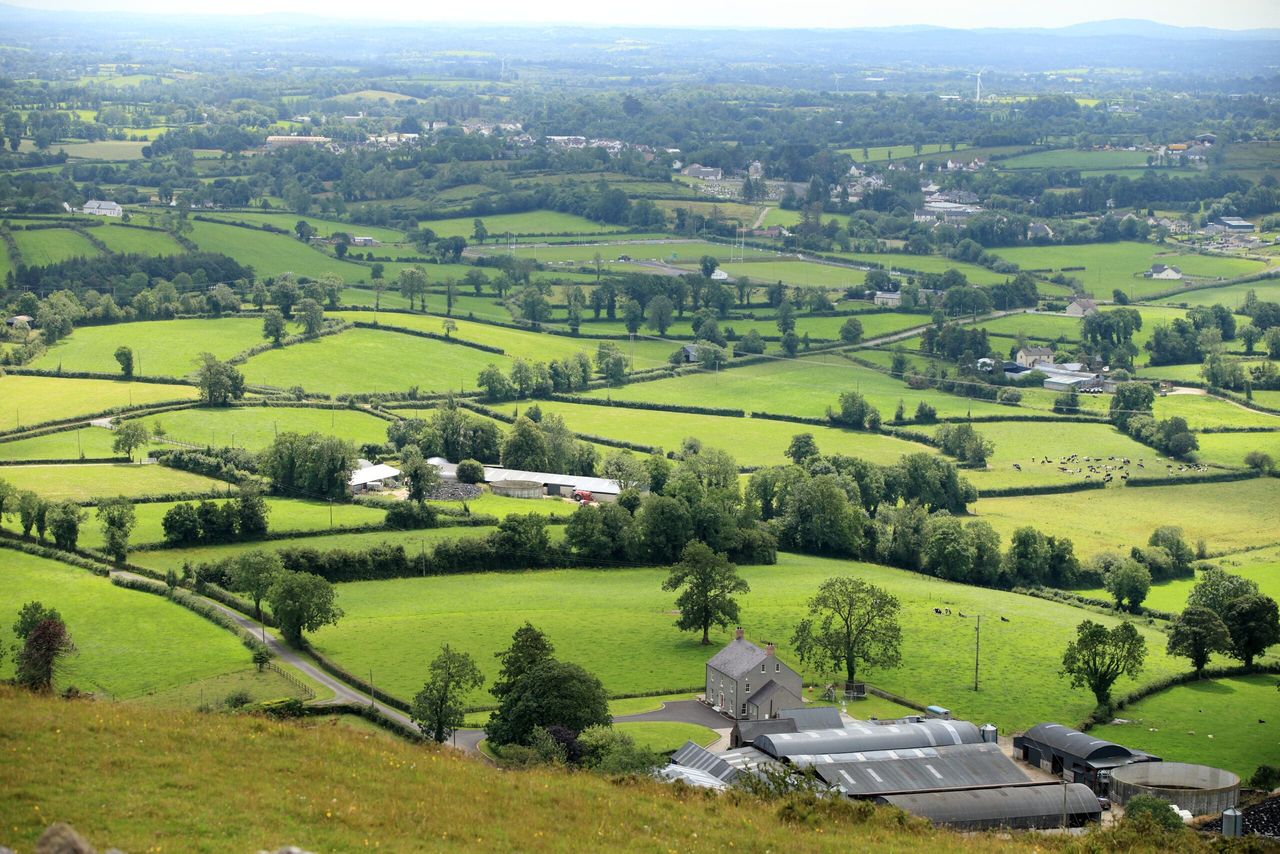
From 2019 to 2024, the number of derogated farms has remained consistent, ranging from 418 to 441 farms over this period.
It is largely the same farms that are applying from year to year with only a small amount of turnover.
However, it is known that the number of farm businesses that were operating above 170kg N/ha/year N loading is considerably more than the farms that are currently derogated.
Operating at a level above 170kg N/ha/year N loading, without an approved derogation, is in breach of the NAP Regulations.
An aim of the 2026 NAP Review has been to identify and remove barriers that discourage farms from participating, while maintaining and enhancing environmental protection.
Therefore, a more responsive and bespoke approach is being proposed to effectively manage nutrient pressures on grassland farms with grazing livestock in Northern Ireland through a focus on optimal nutrient efficiency to minimise environmental risk on a greater number of participating farms.
Nutrient Stewardship Programme
Given this backdrop, it has been proposed to replace the current NAP derogation with a revised approach called the Nutrient Stewardship Programme (NSP).
This is intended to better reflect the higher standards of nutrient management required and the environmental benefits delivered as more farms are utilising nutrients more efficiently.
The NSP will have a two-tier structure.
Farms that already meet all the relevant NAP requirements would enter Tier 1, recognising their high level of nutrient management.
Meanwhile, farms that do not yet fully meet all Tier 1 phosphorus balance requirements could enter Tier 2 and work towards Tier 1 over time, with advisory support.
It is envisaged that the proposed NSP will bring a greater proportion of grassland farms within a structured and monitored framework than the current derogation model.
By widening participation, more farms will be operating to defined nutrient management requirements to optimise nutrient efficiency, with detailed record keeping, and increased oversight.
The overarching nutrient challenge
The principles associated with NAP have one over-arching objective: to improve water quality in Northern Ireland.
As a consequence, the new public consultation document identifies effective nutrient management as key to protecting water quality while supporting sustainable agricultural production.
Nutrients such as nitrogen and phosphorus are essential for plant growth, but if they are not managed carefully, they can be lost to the environment and contribute to pollution.
The ensuing proposals focus on improving how nutrients are used on farms so that they are applied in the right amounts, at the right time, and in the right place.
This approach aims to reduce nutrient losses to water and air, while supporting efficient and productive farming systems.
It also recognises that improving nutrient management requires a combination of updated rules, better use of data, and clearer guidance.
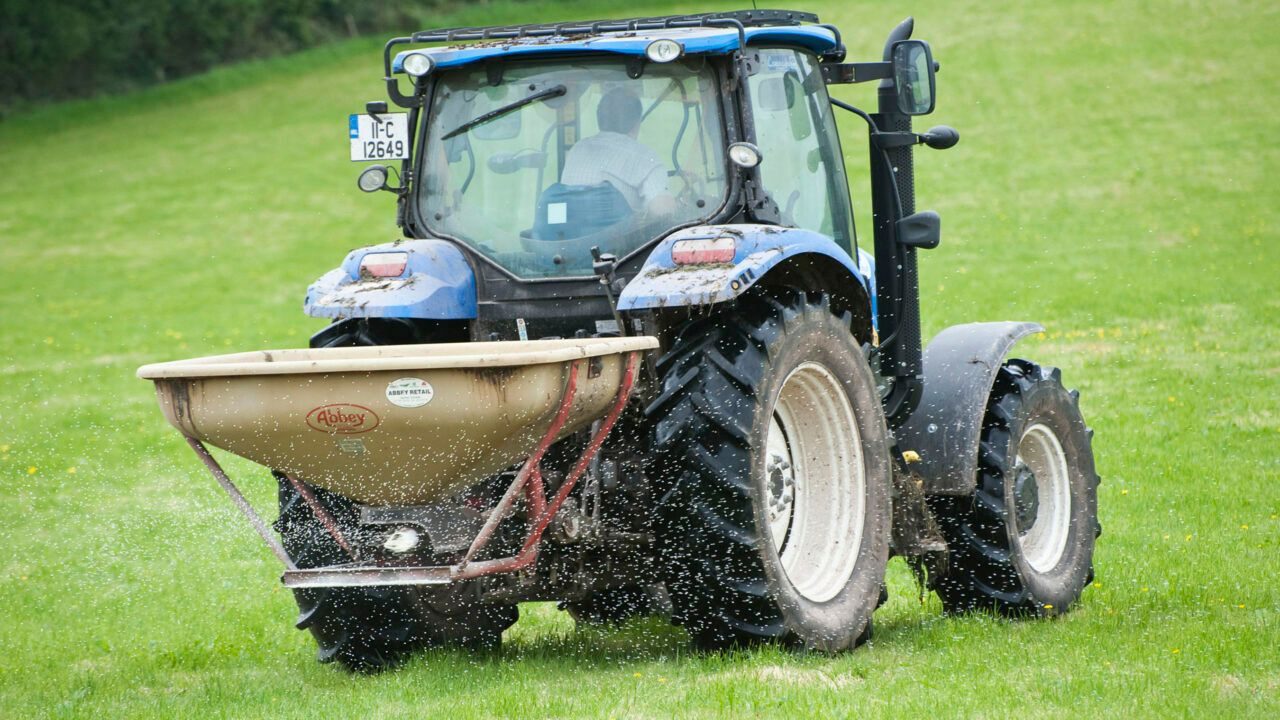
There is also a need to ensure that measures are practical and can be applied across a range of farm types and systems.
The proposals contained within the new NAP document will act to improve how phosphorus fertiliser is used and reducing the overall phosphorus surplus.
There will also be a requirement to updating how nutrient outputs from livestock are calculated in order to better reflect modern farming systems.
This will be accompanied by a strengthening of the accuracy with which standard values used for manure and slurry management are calculated.
Nitrogen fertiliser limits to better match crop needs will also be updated. Also envisaged is support for the use of processed organic fertilisers as part of a more balanced nutrient system.
But adhering to future targets within this process will also be critical.
One of the most challenging in this regard is the proposed commitment to reduce the national average phosphorus surplus by 30%, from the 2024 level of 8,729t over the four-year duration of the next NAP.
This level of reduction was carefully evaluated and collectively agreed upon by the membership of the NAP taskforce and completion group as a realistic target that aligns with national objectives whilst being feasible for farms that need to implement change.