Tesco to produce animal feed from bakery waste
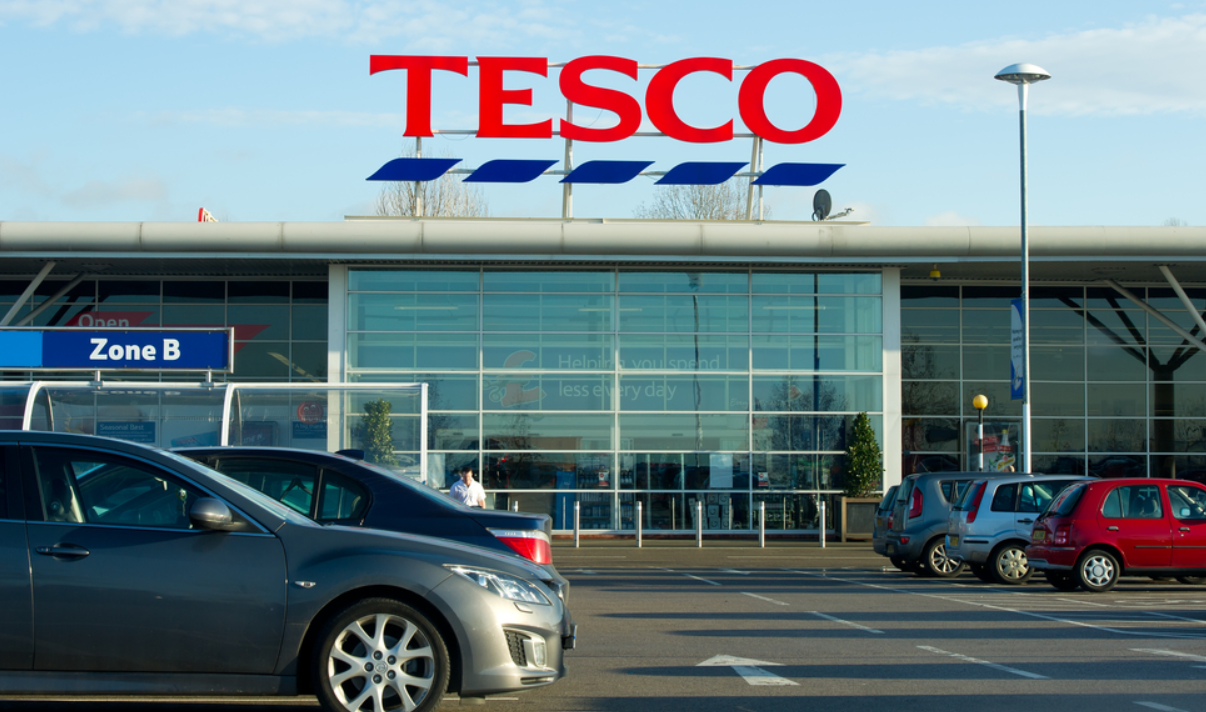
Tesco has announced the opening of a new animal feed production facility in Northamptonshire.
The site has the potential to operate 52 weeks of the year and can handle up to 1,000t of produce a week.
The animal feed production facility is owned and operated by RenEco, Tesco's food waste partner.
The processing premises in Chelveston will see the supermarket's surplus bakery and produce turned into animal feed, which will "promote circularity" in Tesco's supply chain, the supermarket said.
This is bakery and produce waste that has already been offered to Tesco colleagues and charity partners.
Christine Heffernan, chief communications and sustainability officer at Tesco has stated that the amenity is "potentially transformational in how waste is handled in the UK."
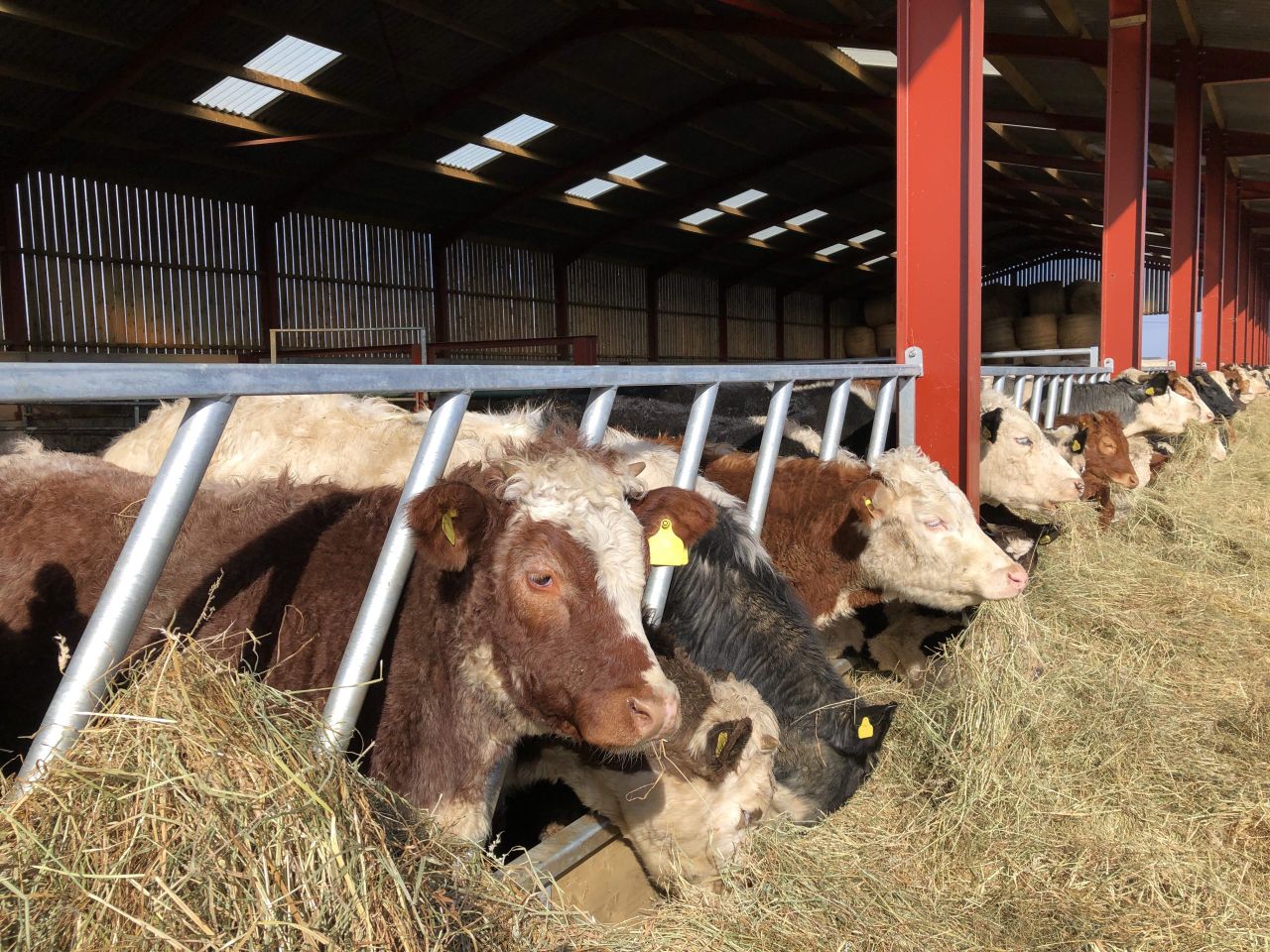
It is intended that feed produced at the site will be supplied to farmers supplying Tesco and its food producers.
To promote efficiency, the feed plant has been designed to handle packaged food delivered in supermarket cages.
The plant also has the capability to handle bulk volume and palletised materials from food manufacturing sites.
Tom Osborne, food by-products operations manager at RenEco said the plant can provide "a product which is both nutritional and less carbon intensive than traditional feeds".
The process
Surplus is collected from every UK Tesco store and transported via the supermarket's distribution network.
On arrival, all cages are weighed and automatically analysed for feed safety.
Quality checks are then carried out on the bakery and produce materials, which are then mechanically de-packaged.
The final products are then mixed to produce a formulated feed to the end farm's specifications.
Powered by 100% renewable energy from wind and solar sources, the site is strategically located in the middle of the country to minimise Tesco's carbon impact.
It is also positioned close to the supermarket's rail hub for ease of distribution.
RenEco has said it is "committed to recruiting and training local people to aid employment opportunities within the surrounding communities".
The flexibility and scale of the plant will allow food surpluses from other retailers, Tesco suppliers, and food manufacturers to be used at the site.
Track record
Tesco was the first UK retailer to start publicly reporting food waste figures in 2013.
The supermarket operates under the WRAP food waste hierarchy approach:
- Prevent waste in the first place;
- Redistribute the food that's still good to eat;
- Aim to use surplus food in pet and animal feed;
- Turn waste into energy (through anaerobic digestion).
Tesco research has shown that 69% of customers now look out for reduced items, which helps ensure that food close to its ‘use by’ or ‘best before’ date doesn’t go to waste.
To aid in this effort, Tesco introduced ‘Reduced in Price, Just as Nice’ signage across over 300 of their stores.
Tesco also launched an 'Online Exchange' platform in 2022.
More than 3,500 Tesco suppliers use this platform to reduce waste by selling or donating surplus stock to other suppliers.
According to a Tesco report, in the UK, more than three million tonnes of food waste perishes before making it off the farm.
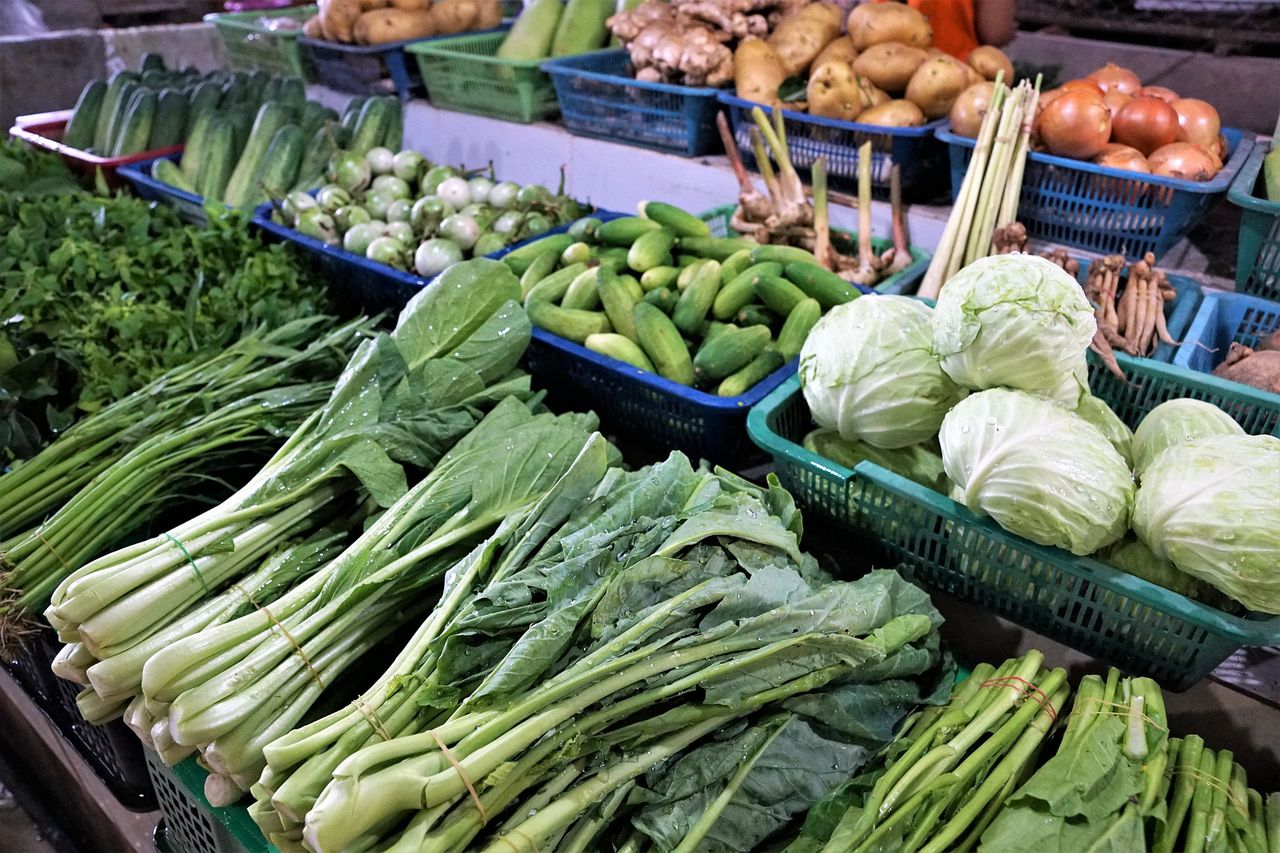
Since 2016, Tesco's 'Perfectly Imperfect' range, which "embraces" 'wonky' fruit and veg, has helped save over 68 million packs of fruit and vegetables from going to waste.
The supermarket's target is to halve food waste across all supply chains by 2030.