UK-Gulf trade deal to increase export opportunities for farmers

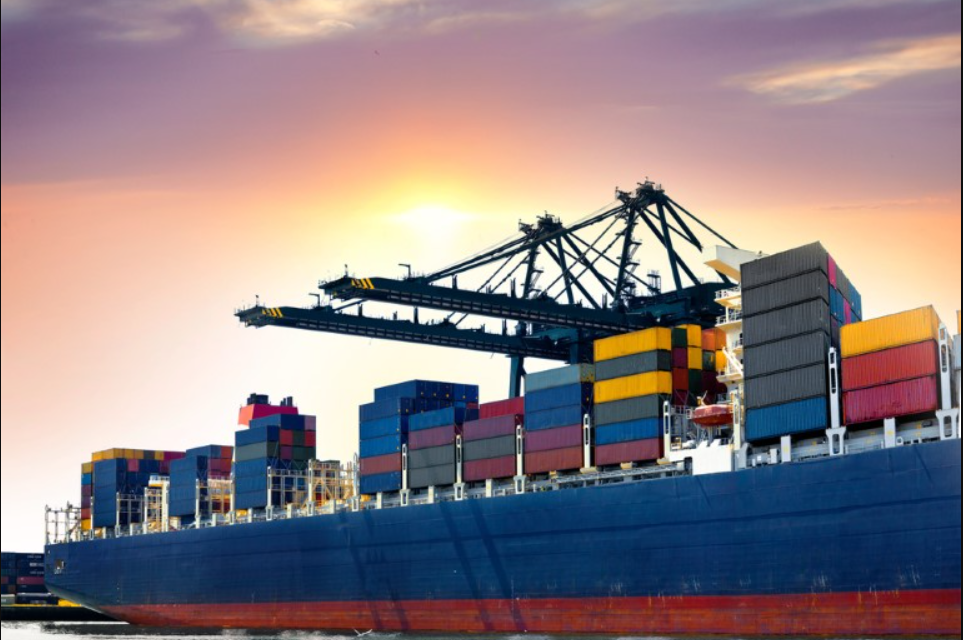
The UK government has secured a trade deal with six Gulf countries that will remove £580 million a year in tariffs, potentially increasing export opportunities for the British farming sector.
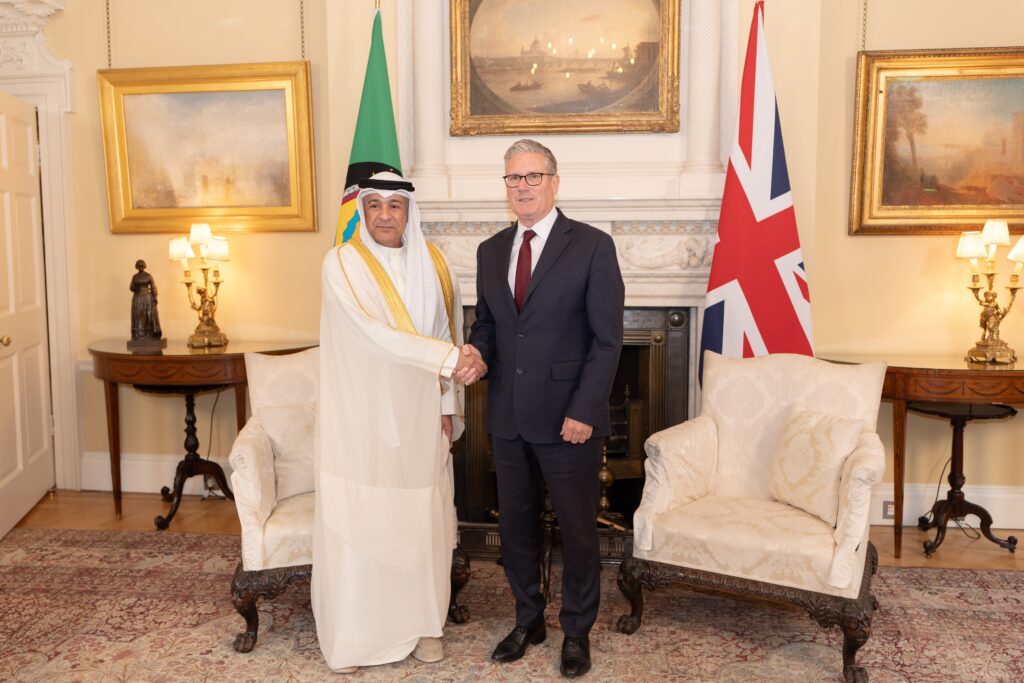
The deal was agreed upon yesterday (Wednesday, May 21) between the UK and the Gulf Cooperation Council (GCC), which includes countries Bahrain, Kuwait, Oman, Qatar, Saudi Arabia, and the United Arab Emirates (UAE).
As the GCC imports over 80% of its food, the British "food and drink sector is set to benefit from the deal", with UK exports of cereals and dairy products in strong demand.
Prime Minister Keir Starmer described the agreement as "a huge win for British business".
"The deal is estimated to add £3.7 billion to the UK economy every year in the long run when compared to 2040 projections and £1.9 billion in real wages, delivering for businesses and working people," Starmer commented.
NFU
The National Farmers' Union (NFU) welcomed the UK's trade deal with the GCC, stating that the government had noted the union's concerns over key agri‑food imports from Gulf countries that do not meet the UK's high animal welfare standards being granted access to the British market.
Through campaign efforts since 2021, the NFU has called on government officials to "stand firm on food production standards" when negotiating this deal with the GCC.
The union stated that the government has "upheld its commitment not to undermine the UK’s high animal welfare standards" as the current tariff levels on imports into the UK for chicken meat, eggs and pork have been maintained within the agreement.
Trade deals
While welcoming the UK's agreement with the GCC, NFU president Tom Bradshaw noted that "concerns remain about other ongoing trade negotiations".
He emphasised the need for government action to develop a a set of core production standards which all imports would be required to meet.
Bradshaw said: "This was a well negotiated deal, but we’re under no illusions that other countries – whose standards may fail to meet our own – will push hard for greater access to our market.
"This is a real concern for both farmers and the public who understandably believe their food should be produced with animal welfare and environmental protection at its core.
"Establishing core standards as a baseline would reassure farmers and growers that the high standards they uphold won’t be undermined and give the public confidence that whatever they pick up from the supermarket or order from a restaurant has been produced in line with their values," he added.
Exports
The NFU also highlighted UK export figures of lamb, dairy, and oats to GCC countries from the last six years, with the incoming removal of the 5% tariff on these goods expected to boost trade.
From 2022 to 2025, the UK has exported around £9.4 million worth of sheep meat to the Gulf region each year on average, making it the UK's largest non-EU market, with Kuwait ranking highest for demand.
The farm union said that the trade deal could expand "genuine opportunities for dairy farmers" as over £99 million of British dairy products were exported there in 2025.
According to the NFU, the GCC is a "valuable market for high quality, authentic and unique British cheeses", with 7,497t of cheese worth £42 million being exported to Gulf countries in 2025.
The NFU outlined that the demand for UK cheese within the Gulf has practically doubled in five years when compared to the 3,697t of cheese worth £15.96 million that was exported there in 2020.
In 2025, the UK also exported over £20.7 million in rolled and flaked oats to the region, with Saudi Arabia being a key market.