

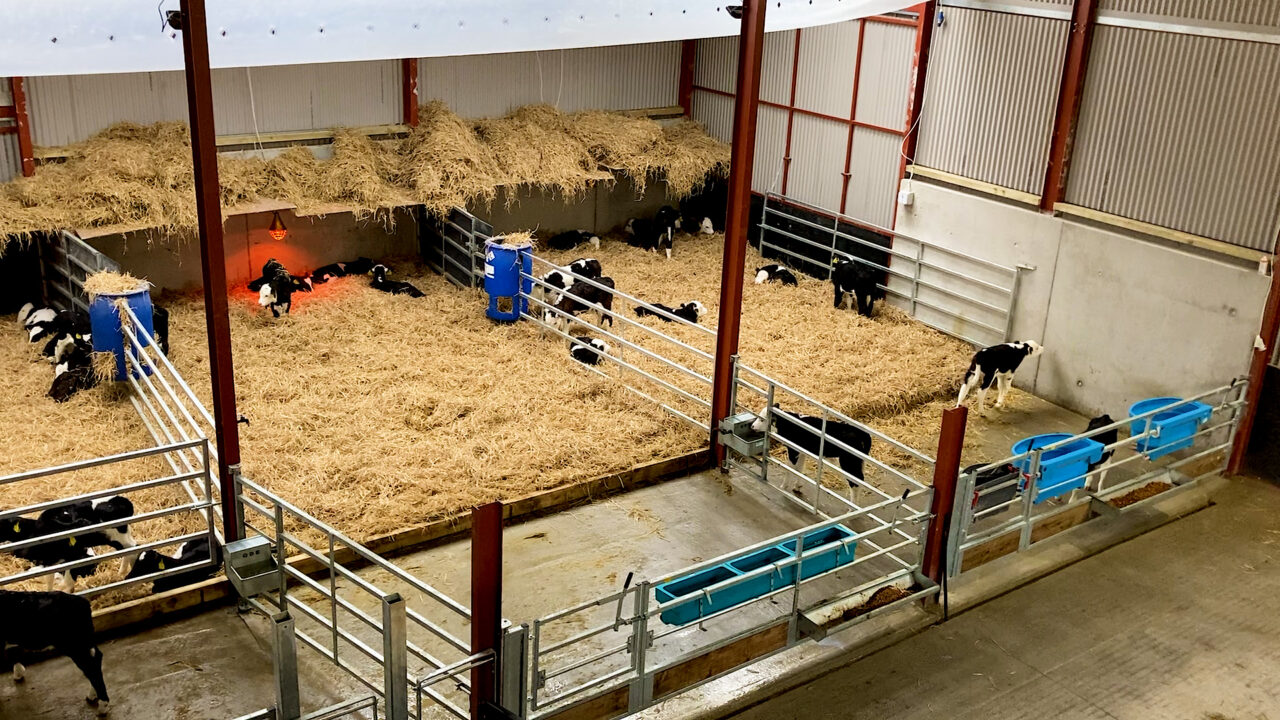
The calving season will be kicking off for many farmers across the country this week which means an immediate focus should be placed on the farm’s hygiene and biosecurity measures.
New-born calves are extremely vulnerable to disease and infection which can lead to extreme sickness or even death, and if the calf does survive, its growth and production performance will most likely be affected for life.
Therefore, once cows start calving down, strict hygiene protocols will be crucial in relieving any areas of potential infection pressure.
Hygiene protocols need to be in place for basically everything that the calf will come in contact with.
From the start of their life, cows should be calving down in a clean, dry bedded area, using gloves and clean equipment when assisting with calvings.

One of the first things on the to-do-list once a calf is born is to feed it colostrum, however feeding equipment can be a huge source of infection and disease if not properly cleaned.
Farmers should have a standard cleaning procedure on the farm that everyone is familiar with.
Hygiene
Feeding equipment needs to be cleaned in piping hot water, ensuring all milk residues are properly removed after each feed.
Farmers should also be using separate equipment for feeding colostrum, administering electrolytes to sick calves, and regular feeding thereafter.
In addition to this farmers need to ensure that teats on any feeders are changed before the calving season kicks off.
Sheds also need to be cleaned out regularly; keeping clean fresh straw under calves that you can kneel on without getting wet is essential in ensuring calves do not pick up infections or pneumonia.
Another step in promoting calf hygiene is raising water troughs and feeding troughs off the floor by at least 0.75m to stop calves dunging into them.
Calves that have been identified as sick need to be isolated to prevent the spread of infection within the pen or shed.
After you treat sick calves, it is important that you disinfect your wellies and hands before making contact with the healthy calves.
Biosecurity
Maintaining a high standard of biosecurity during the calving season is also essential to prevent any new diseases coming into the farm.
Putting in a disinfecting bath for incoming milk or delivery lorries which are going from farm to farm is becoming a more popular option on farms in recent times.
A foot bath should be in place at the entrance of the calf shed, and access should be relatively limited, while some farmers also have a spare pair of disinfected wellies for vets or other people entering the farm.
As calves begin to be sold from the farm, the calves which are up for sale should be in the pen closest to the door, meanwhile dairy farms should try to maintain a closed herd during the calving season.
Farmers should also freeze colostrum from some of the early calvers to have as a backup rather than buying in colostrum from neighbouring farms when stuck.
