

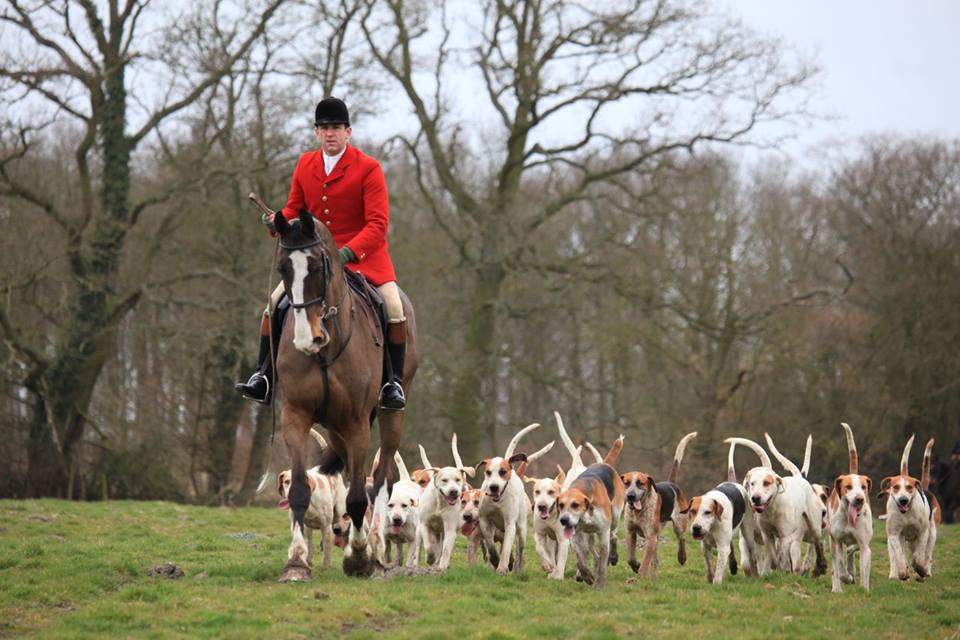
The Labour government has “delivered on a key manifesto commitment” as trail hunting is set to be banned in England and Wales, according to the Department for Environment, Food and Rural Affairs (Defra).
Defra also opened a consultation on how to take this ban forward, with the public being urged to voice their opinion before the deadline on June 18.
The department outlined that trail hunting is a practice “where hounds follow a pre-laid animal-based scent across the countryside, mimicking traditional hunting.”
Defra claimed that the practice became popular in the UK after the Hunting Act 2004 became law, which banned traditional hunting with dogs.
The government noted that these hunts can result in wild animals, including foxes and hares, being injured or killed by dogs.
Defra stated: “The nature of trail hunting makes it difficult to ensure wild animals are not placed in danger as a result of dogs picking up their scent, as opposed to the intended animal-based scent trail.
“Concerns also persist around whether trail hunting is being used by some as a smokescreen to facilitate illegal hunting with dogs.”
Hunting
Assistant Chief Constable Matt Longman, who leads on hunting for the National Police Chiefs’ Council, also believes that the practice is providing a smokescreen for traditional fox hunting.
Longman stated that trail hunting is “giving people the opportunity to carry on hunting – as they always said they would when the ban came in 20 years ago.”
Although trail hunts are set to be banned, Defra noted that it wants “alternative practices such as drag hunting and clean‑boot hunting, which use non‑animal scents, to continue to thrive.”
“We recognise that hunts can support jobs and local businesses, and bring people together across the countryside.
“We are committed to ensuring that responsible rural pursuits, where there is no risk to our precious wildlife, can continue,” the department said.
Defra Minister for Animal Welfare, Baroness Sue Hayman also highlighted that “the nature of trail hunting makes it difficult to ensure wild and domestic animals are not put at risk of being killed or injured”.
“We understand that this is a complex issue and so we are seeking views from everyone with an interest to help shape how we bring this forward,” she added.