

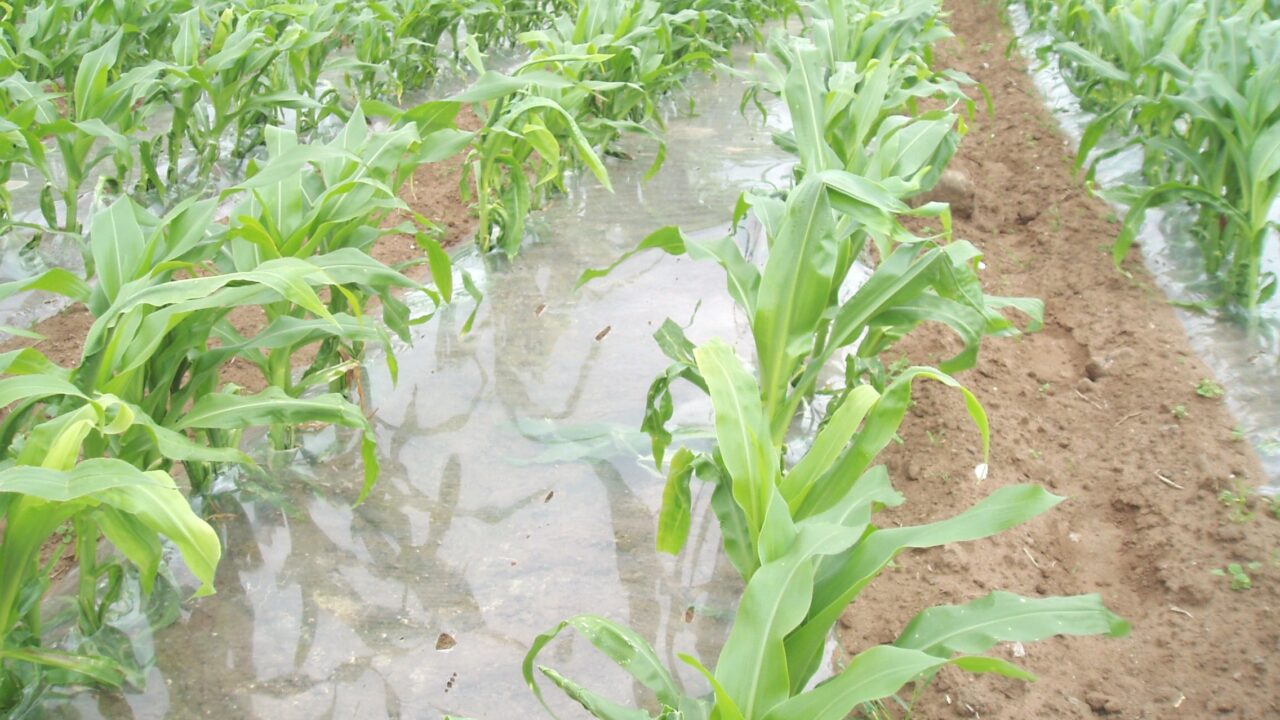
The Potash Development Association (PDA) is advising that early crop nutrient availability will maximise forage maize final yields – particularly during cool, spring conditions.
Maize is one of the most responsive crops to good nutrition, with early nutrient supply playing a decisive role in final yield and quality, according to the PDA.
While daytime temperatures are rising, cooler night temperatures are still holding back soil warmth.
Under these conditions, early root development is slow, and any nutrient shortage at establishment can permanently restrict yield potential.
Nutrients
Nitrogen is the primary driver of maize yield and feed quality, but balance is essential.
Insufficient nitrogen limits leaf area, photosynthesis and starch production, while excessive levels can delay maturity, increase lodging risk, and reduce cob proportion.
Phosphate is particularly important during the early growth stages, supporting rapid root development and nutrient uptake.
Even where soil phosphate indices are adequate, a placed starter fertiliser close to the seed often delivers a significant early growth advantage.
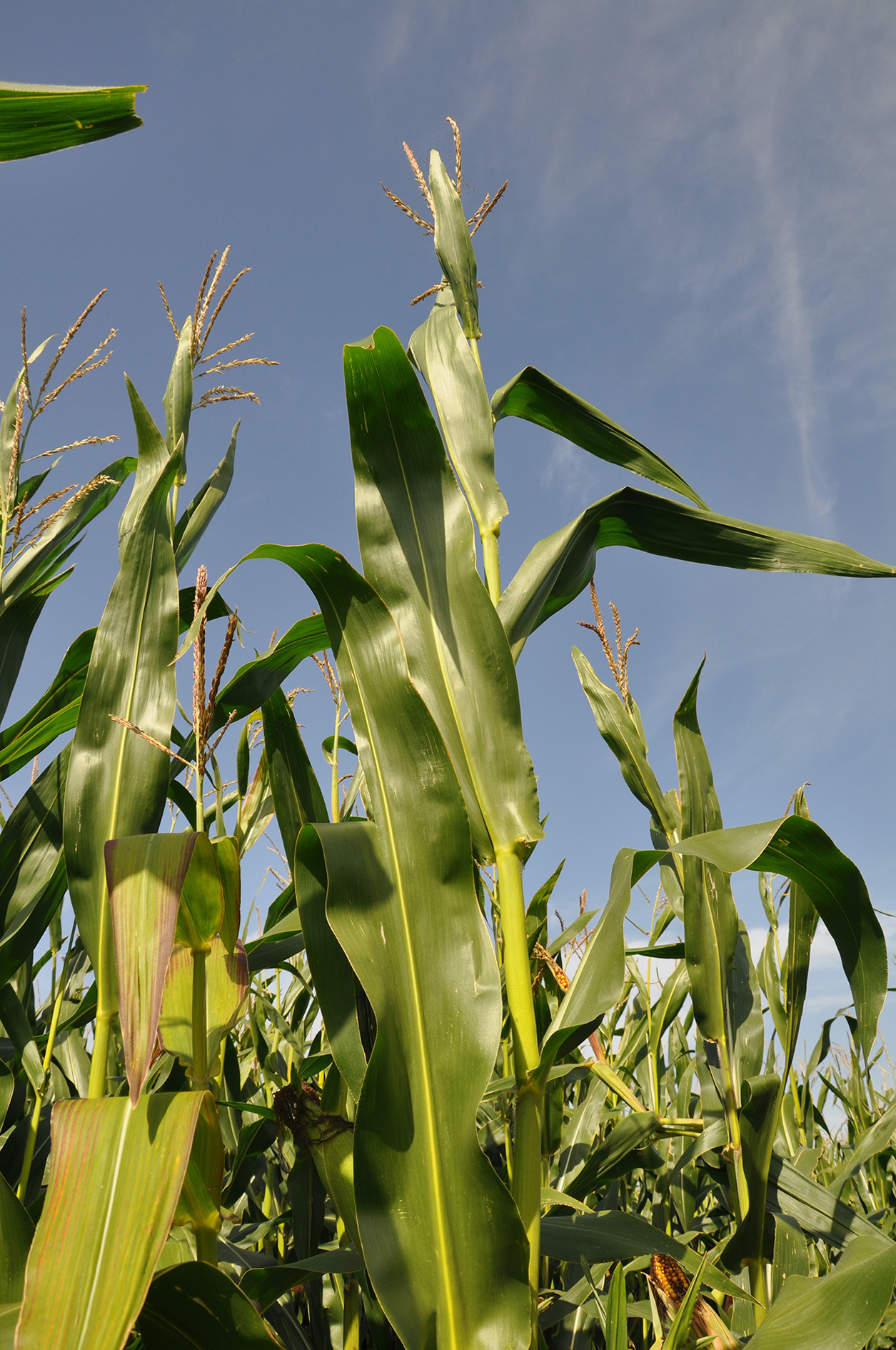
Maize also has an exceptionally high demand for potassium.
Adequate soil potash is vital for cob fill, water regulation and stress tolerance, the PDA said.
A 40t/ha crop removes around 175kg/ha of potassium oxide (K₂O), yet total uptake by early August can reach 360 kg/ha, with peak demand at approximately 8 kg/ha K₂O per day during rapid growth.
Soils must be able to supply both the total and daily requirement without restriction. At peak growth, the maize plant often contains more potassium than nitrogen.
Organic manures can contribute substantial nutrients, but availability is variable.
Regular soil and manure analysis is essential to optimise fertiliser plans, protect soil health and remain compliant.
Maize production rates
In recent years there has been a significant rise in the area of maize grown in Ireland.
Whilst it has long been a part of livestock rations due to its high quality and potentially low cost, the rise of on-farm bioenergy production has driven increased interest in the crop, often on farms where the crop has not previously featured.
Maize produces high quality silage for dairy cattle, beef and sheep.
Research has shown that maize silage in the diet of dairy cows increases forage intake, milk yield, and milk protein content.
Supplementation with concentrates can be reduced and profitability is improved.
Improvements in maize breeding programmes and the potential impact of a changing climate has led to more grain maize being grown.
Where grown successfully, the economics of the crop can compare well with many alternatives, whilst also giving the additional benefits that break crops offer tillage farms and the ability to spread the workload later into the season.