N.Ireland
The Department for Agriculture, Environment and Rural Affairs (DAERA) has published the criteria...
Sean Kane has been appointed as the new chief executive officer (CEO) of AgriSearch, the Northern...
Environment
A total of €56.7 million will be invested in the all-island cooperative Lough Neagh Catchment...
Dairy
The average farmer begins calving down on February 1 and finishes up within nine weeks, that means...
Agri-Business
A message saying "Brexit broke Britain" has been etched onto a field in Wiltshire, England, on the...
The case has, once again, been made for the Stormont Executive to directly fund local agricultural...
Northern Ireland's Minister for Agriculture, Environment and Rural Affairs, Andrew Muir, has...
Arable
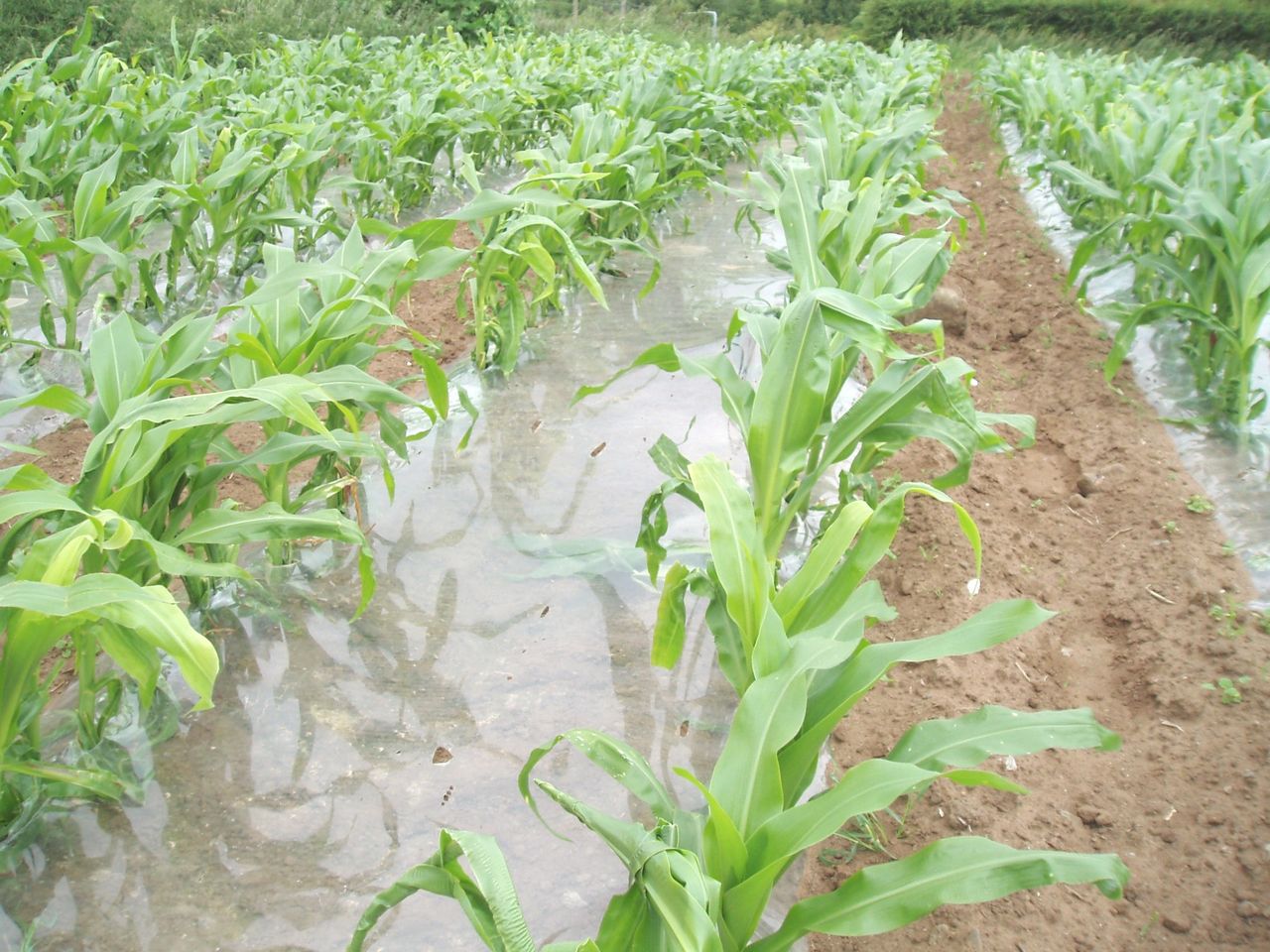
According to the Potash Development Association (PDA), forage maize is a uniquely responsive crop...
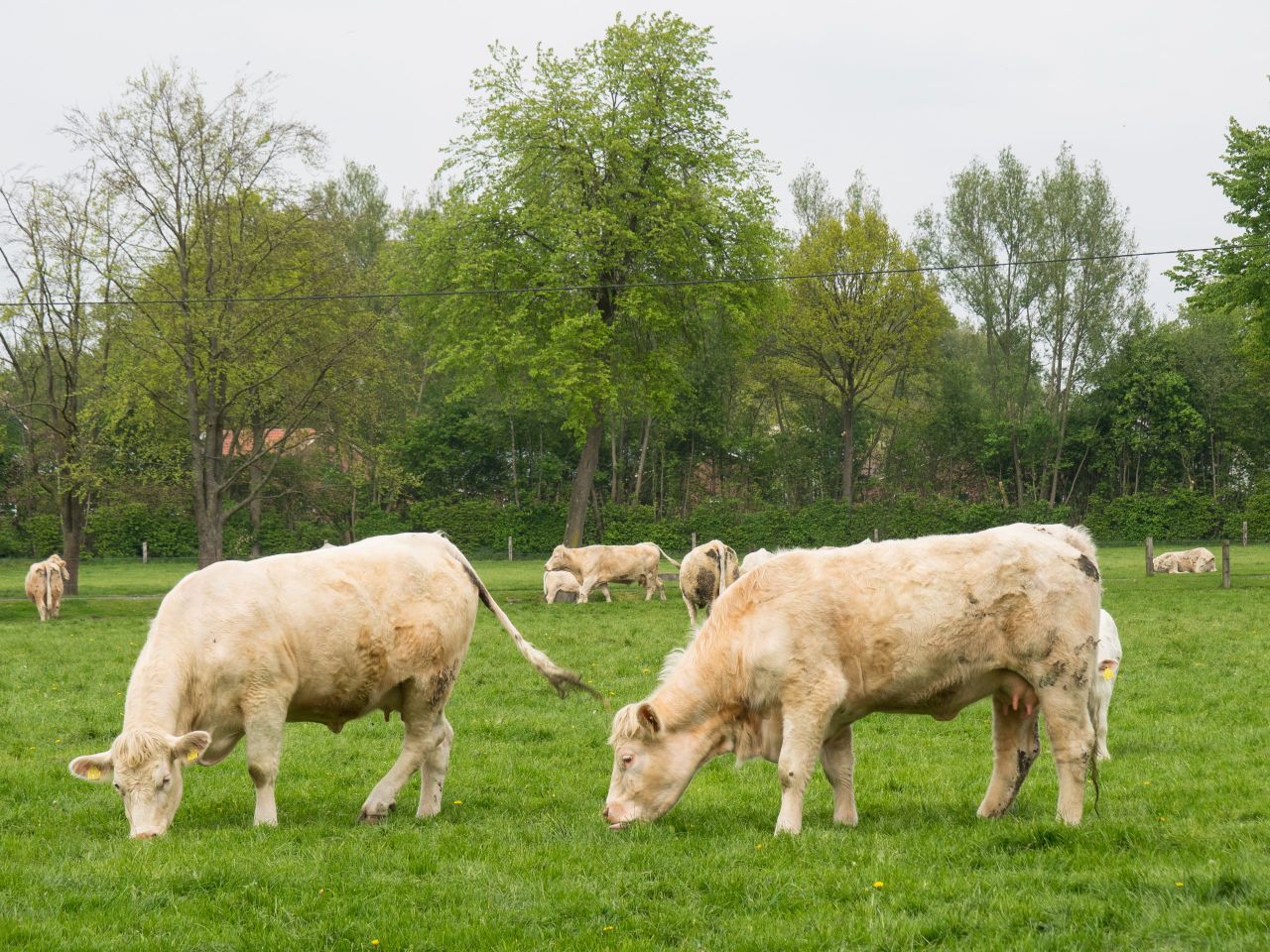
Northern Ireland’s Livestock and Meat Commission (LMC) wants to further develop the range of...
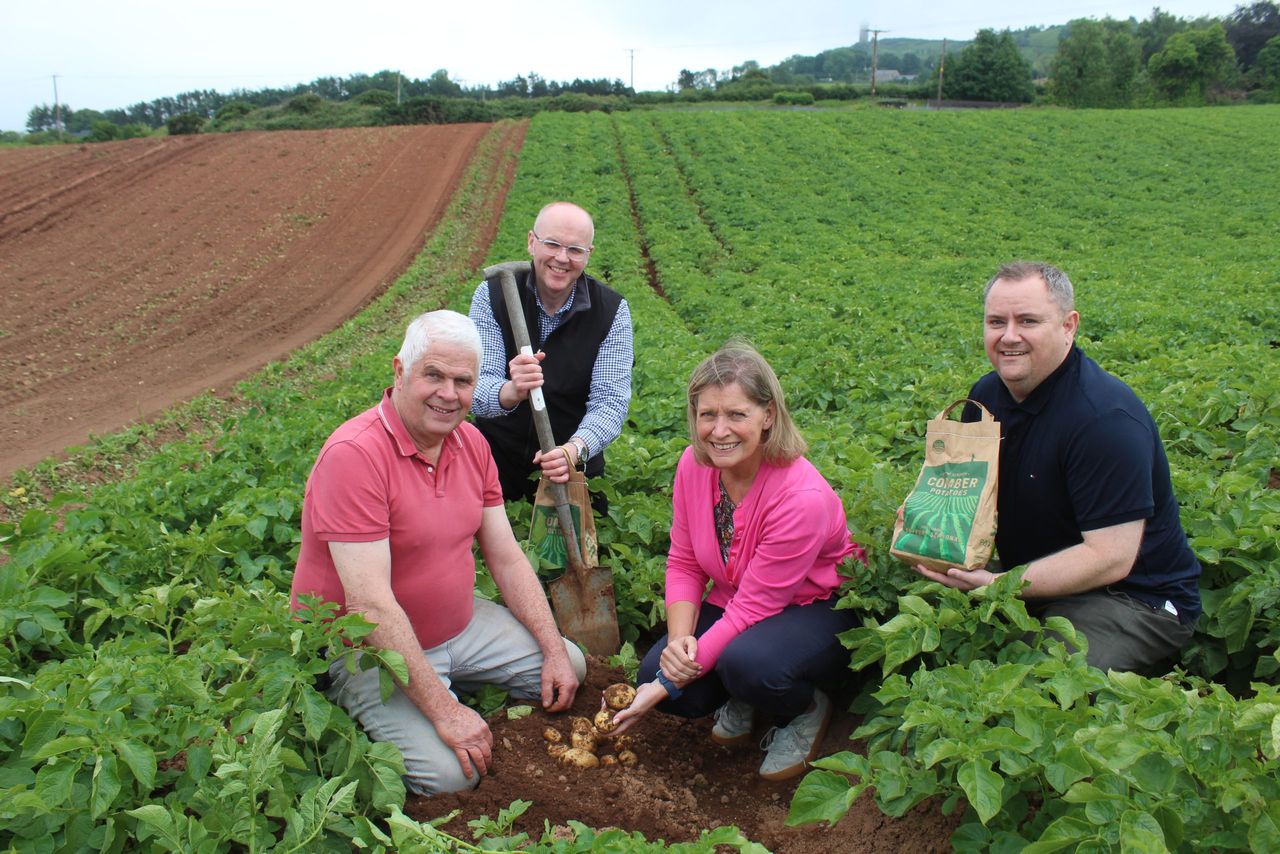
Digging ‘Comber Earlies’, the traditional start of the potato harvesting season in Northern...
Keir Starmer has announced today (Monday, June 22) that he intends to resign as the UK's Prime...
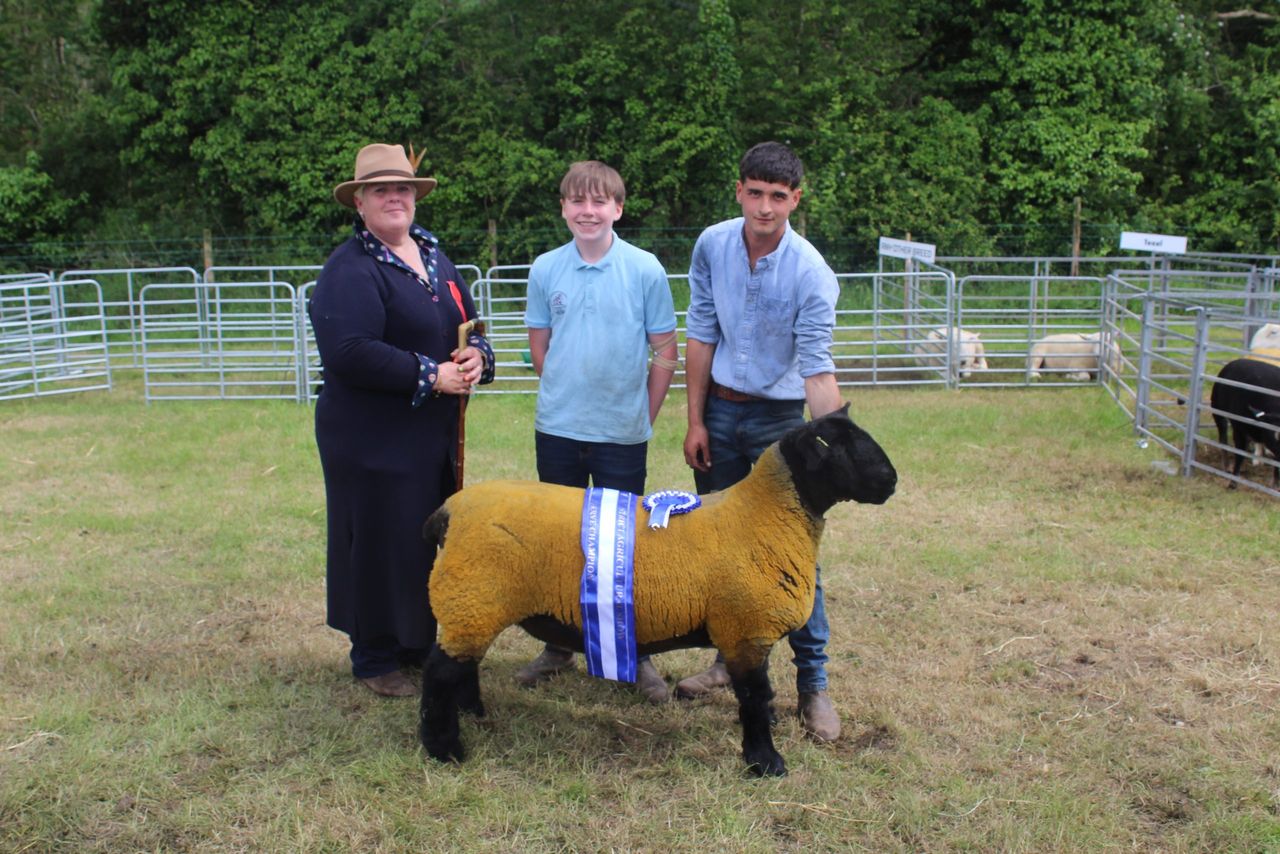
Crawford Brothers from Co. Fermanagh had another another day out to remember at last Saturday’s...
Pig/Poultry
The H5N1 strain of avian influenza (bird flu) has been detected in Australia for the first time,...
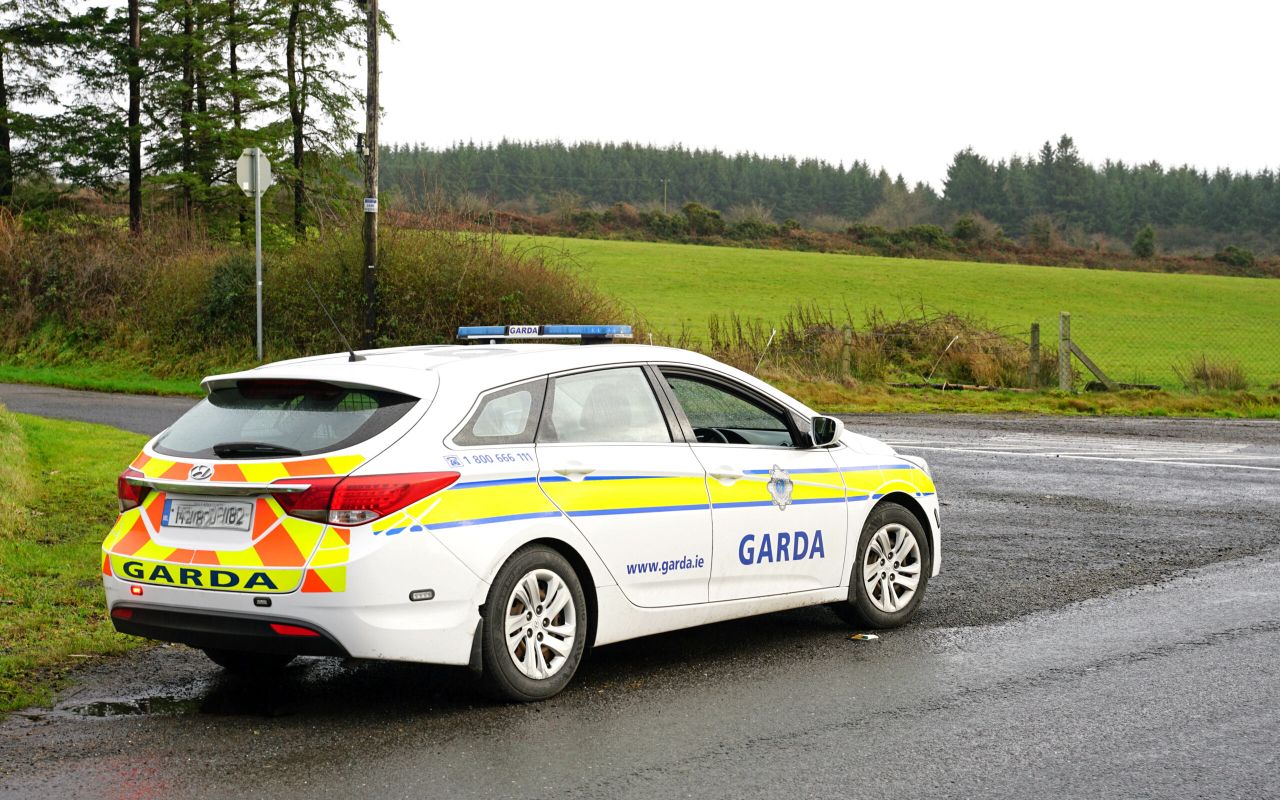
British police say that Brexit made law enforcement harder in both Ireland and the UK. And this...
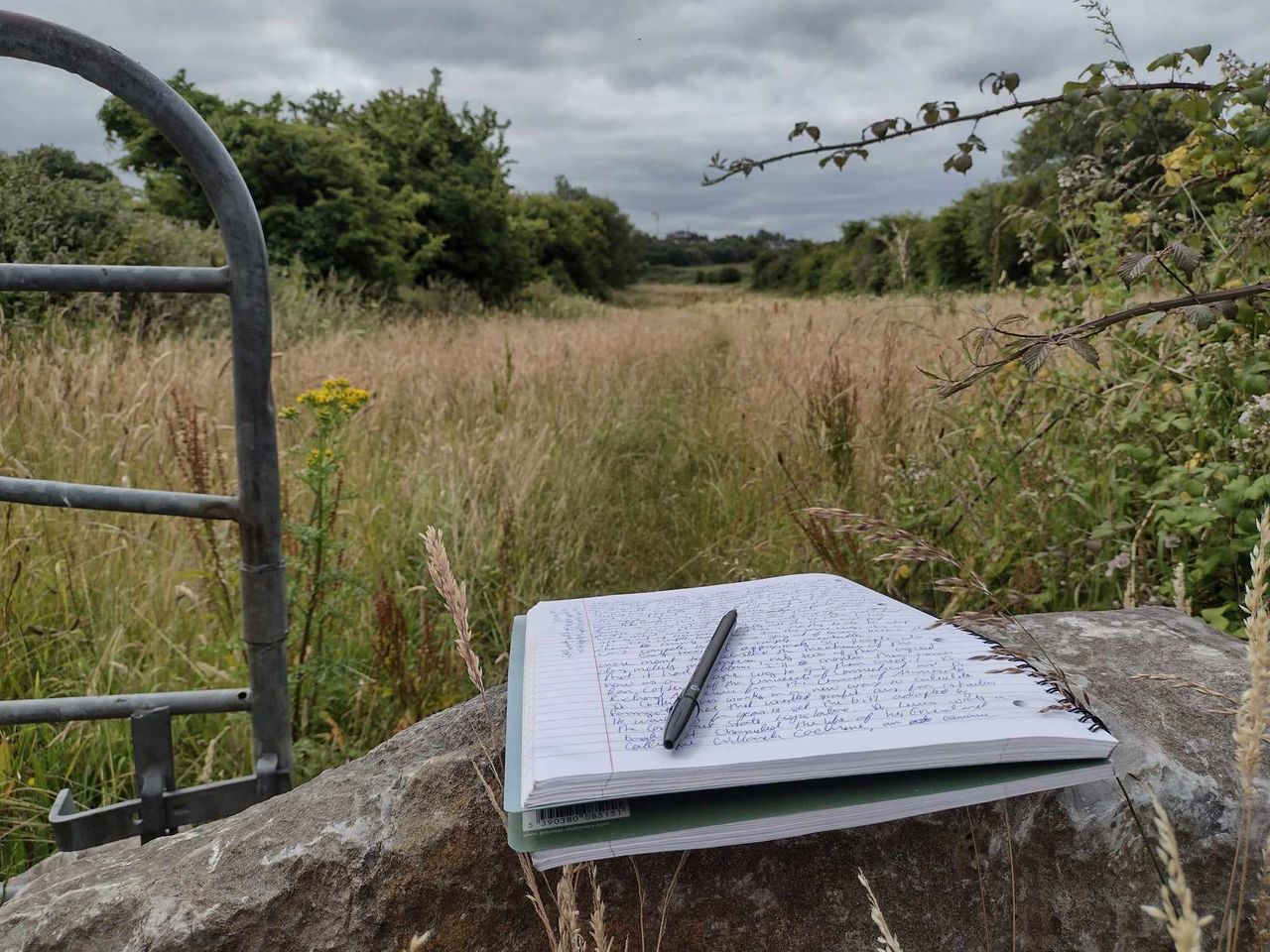
The 4th edition of the annual 'Best in Rural Writing contest' is now underway, seeking the best...
The United States Department of Agriculture (USDA) is pointing to an enhanced production...
A man in his 70s has died following a road traffic collision involving a tractor in Co. Tyrone, in the Fintona area outside Omagh.
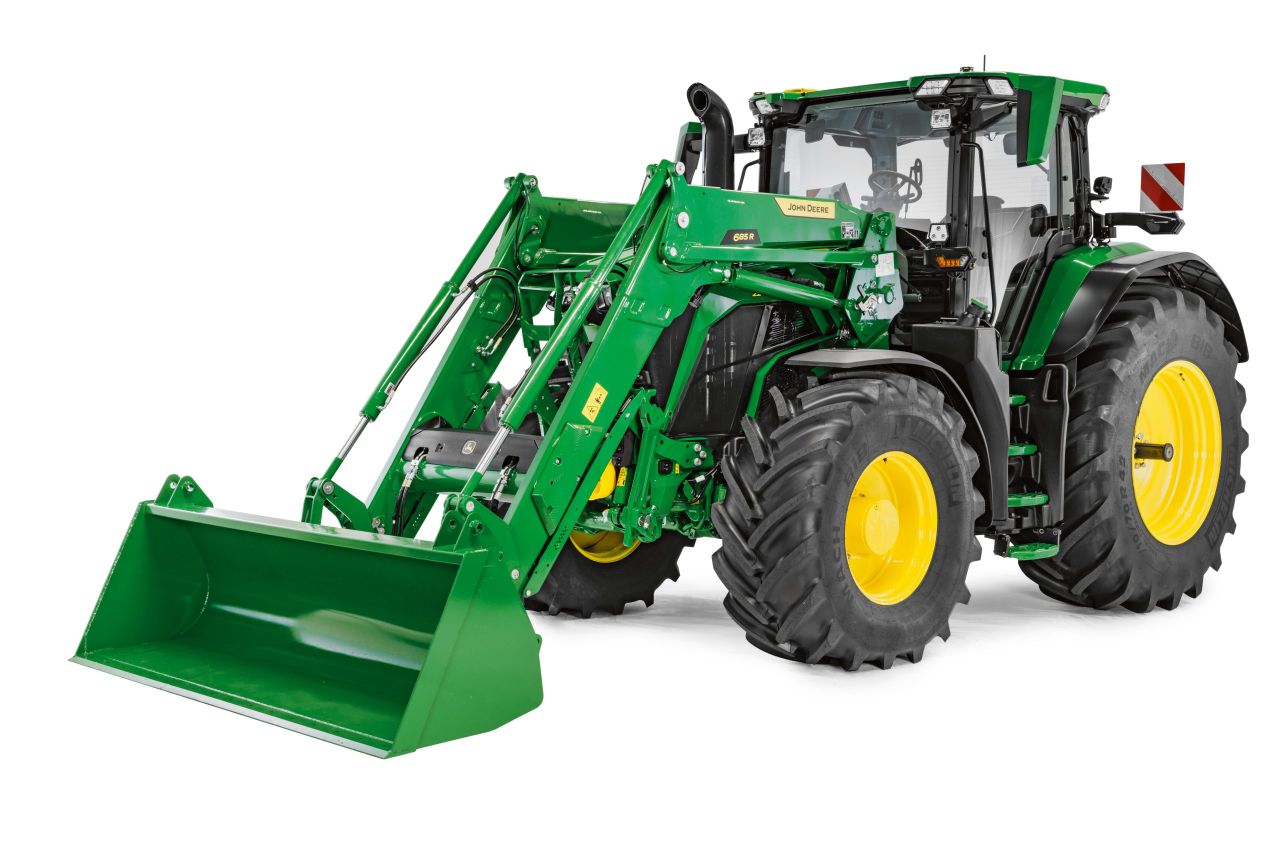
According to John Deere, its new front loader design delivers "improved visibility, higher...
Researchers in Wales are investigating whether native insects could play a role in controlling one...
Beef
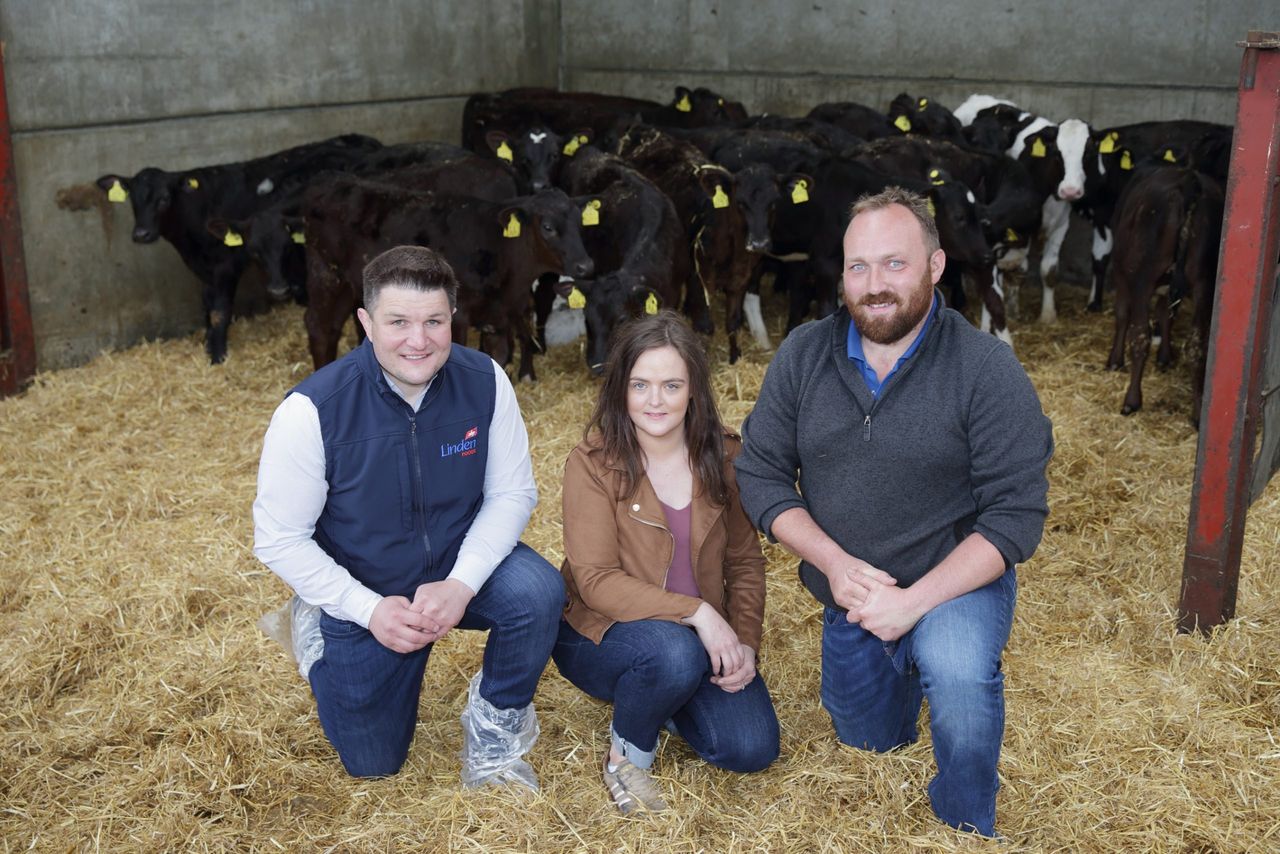
ABP is confirming the company’s continuing commitment to an integrated dairy calf-to-beef system in Northern Ireland.
Marks & Spencer (M&S) has just recorded a third consecutive year of growth with turnover for 2025/2026 totalling £13.9 billion.
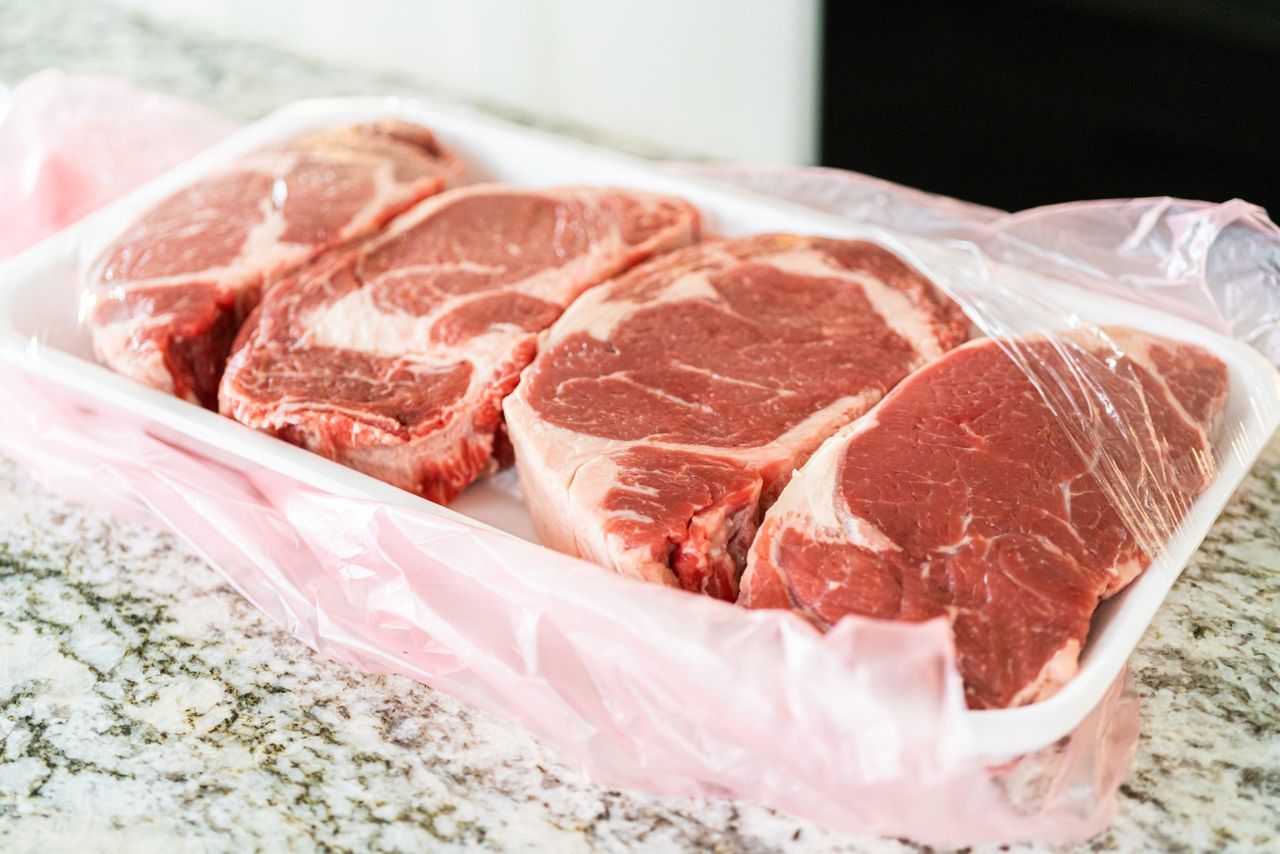
UFU has written to Minister of State for Food Security and Rural Affairs, Stephen Morgan calling for action on beef imports and labelling.
UFU is urging members to know the signs of prostate cancer and seek medical advice if concerned, following Jeremy Clarkson’s diagnosis.
The current focus is on finishing out breeding and grassland management, but should farmers be looking at mastitis control?
Global meat producer JBS has announced the planned closure of two of its facilities located in the US states of Pennsylvania and Tennessee.
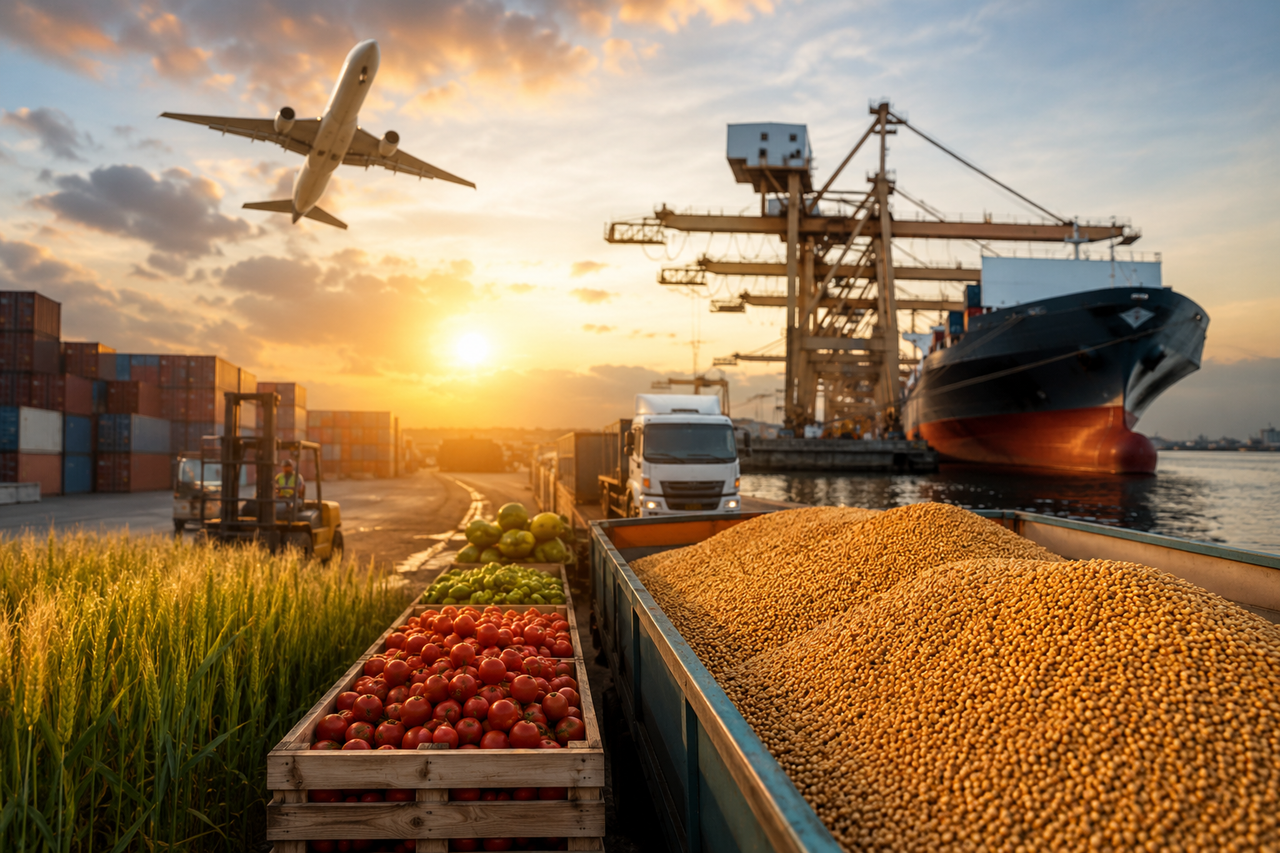
The outlook for global food commodity markets remains favourable, with the 2026/2027 cereal production forecast to stay elevated.
Machinery
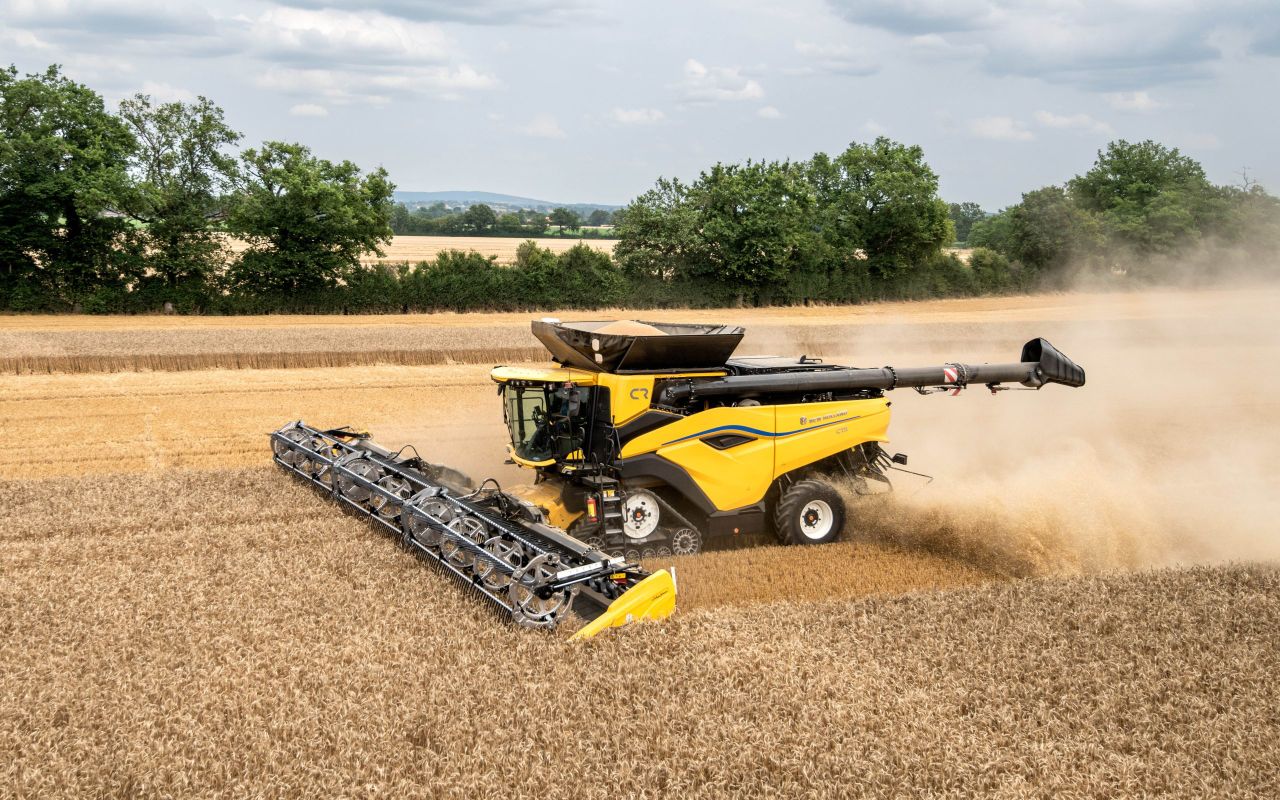
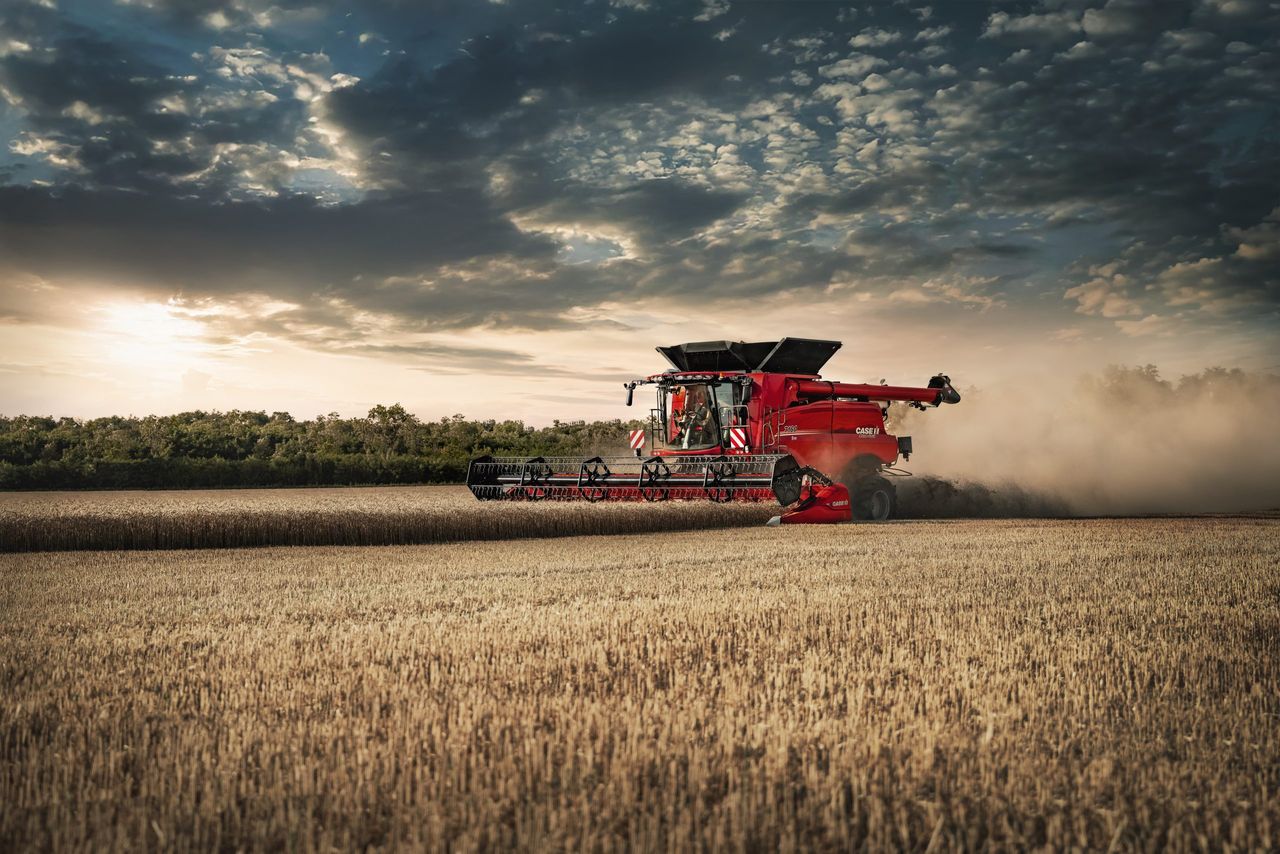
Case IH is aiming to enhance automation, connectivity and operator comfort in its Axial-Flow 160 series combines for Model Year 2027 (MY27).
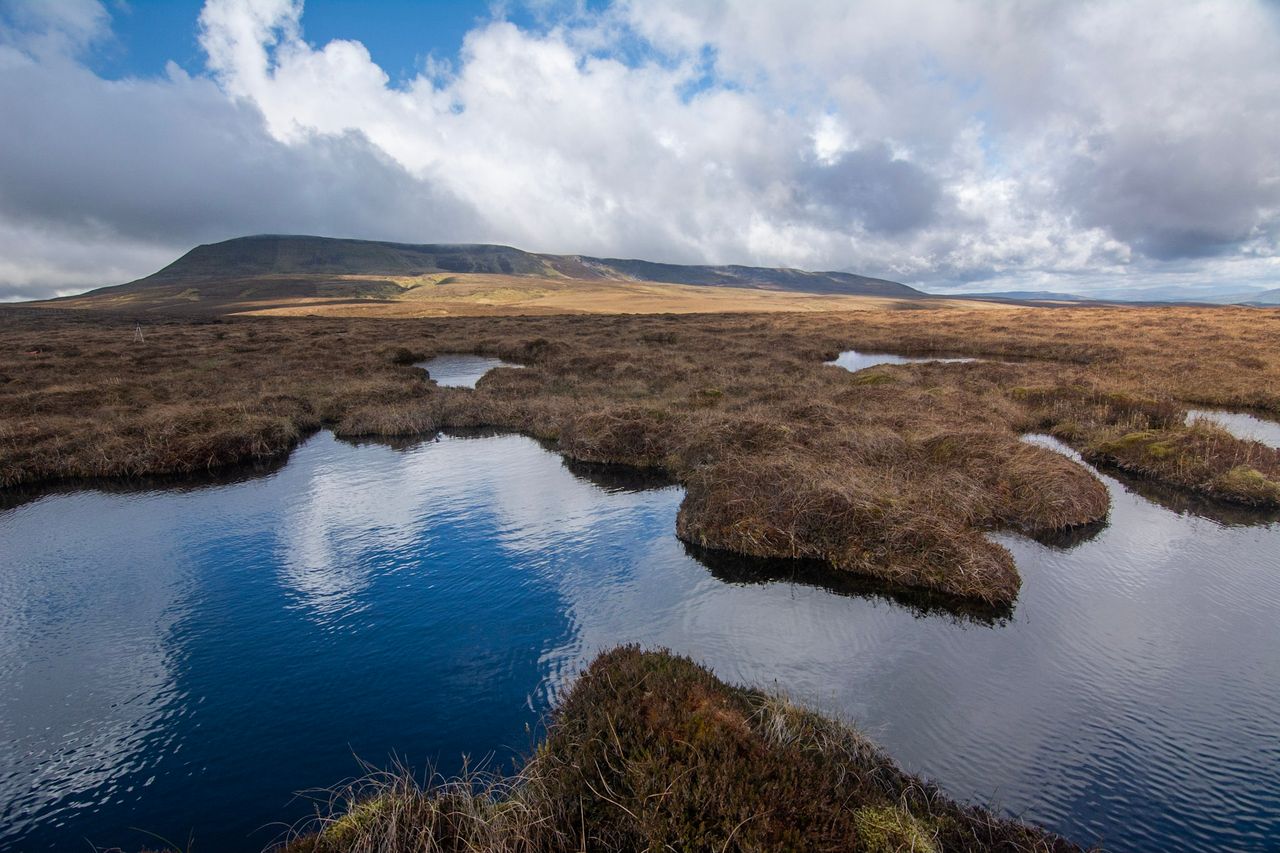
A lack of funding/government incentives were the "biggest barriers" to the uptake of peatland restoration among Northern Ireland farmers.
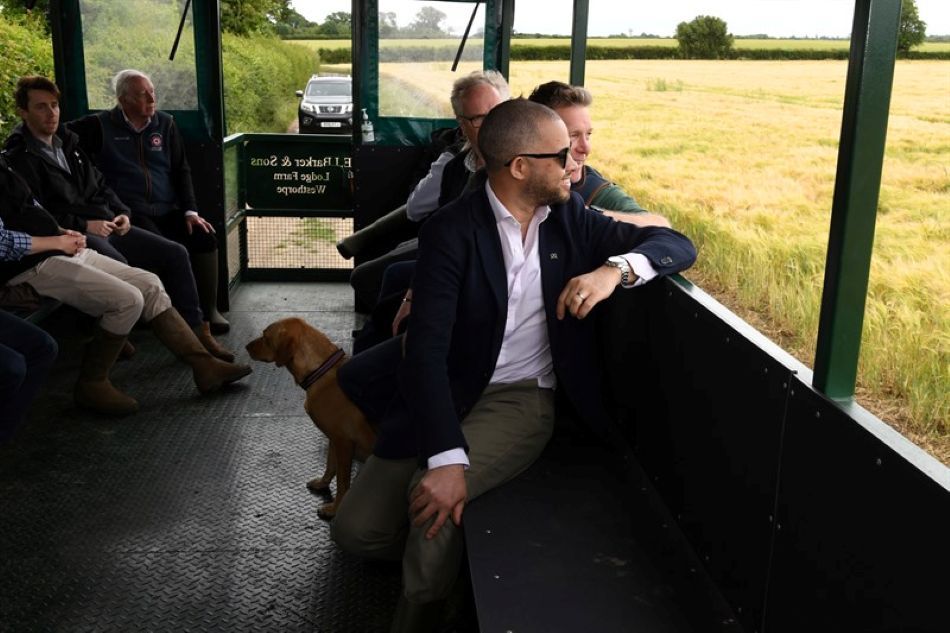
Four MPs visited an arable farm to learn about how farmers have been impacted by "soaring" prices of fertiliser after the Middle East conflict.
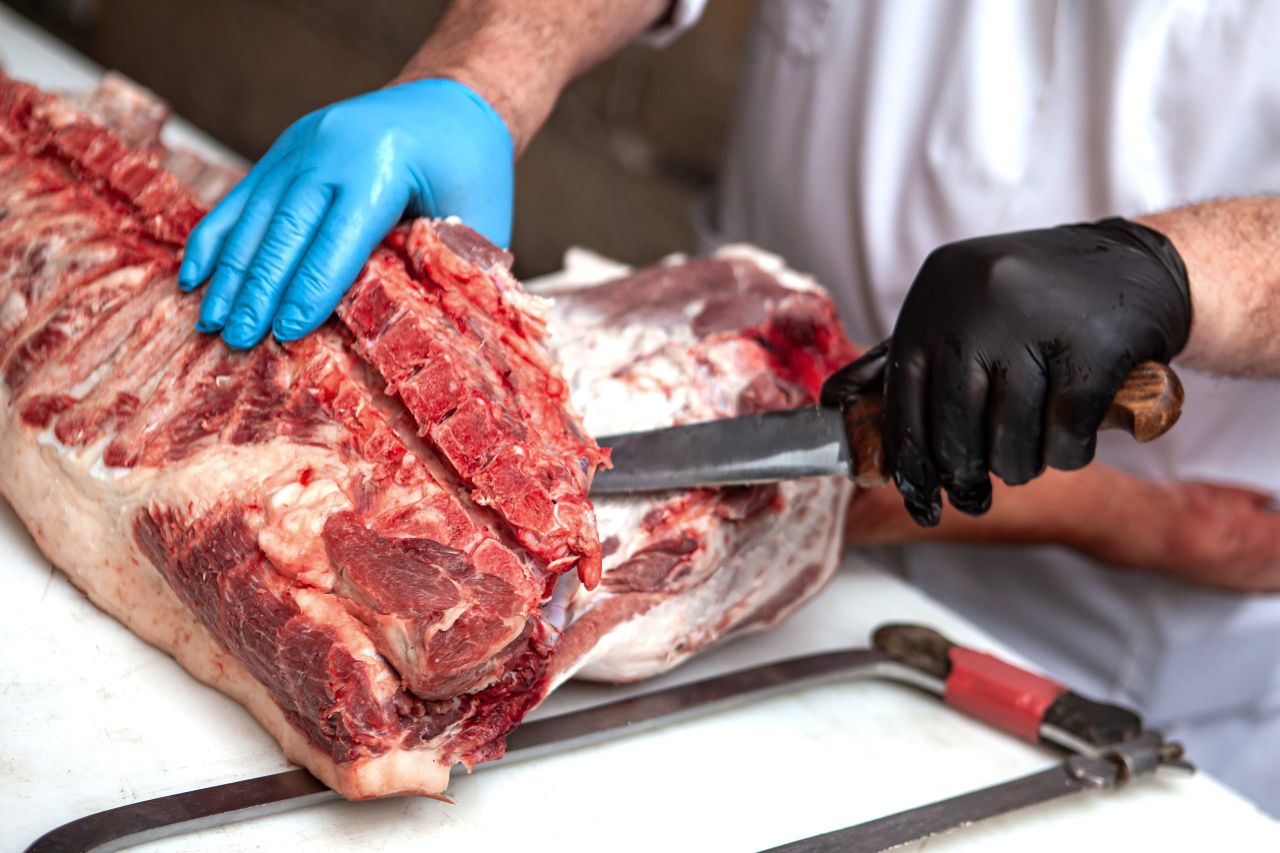
A group of NI meat industry professionals has been praised for showing "outstanding commitment" for balancing full-time work with education.
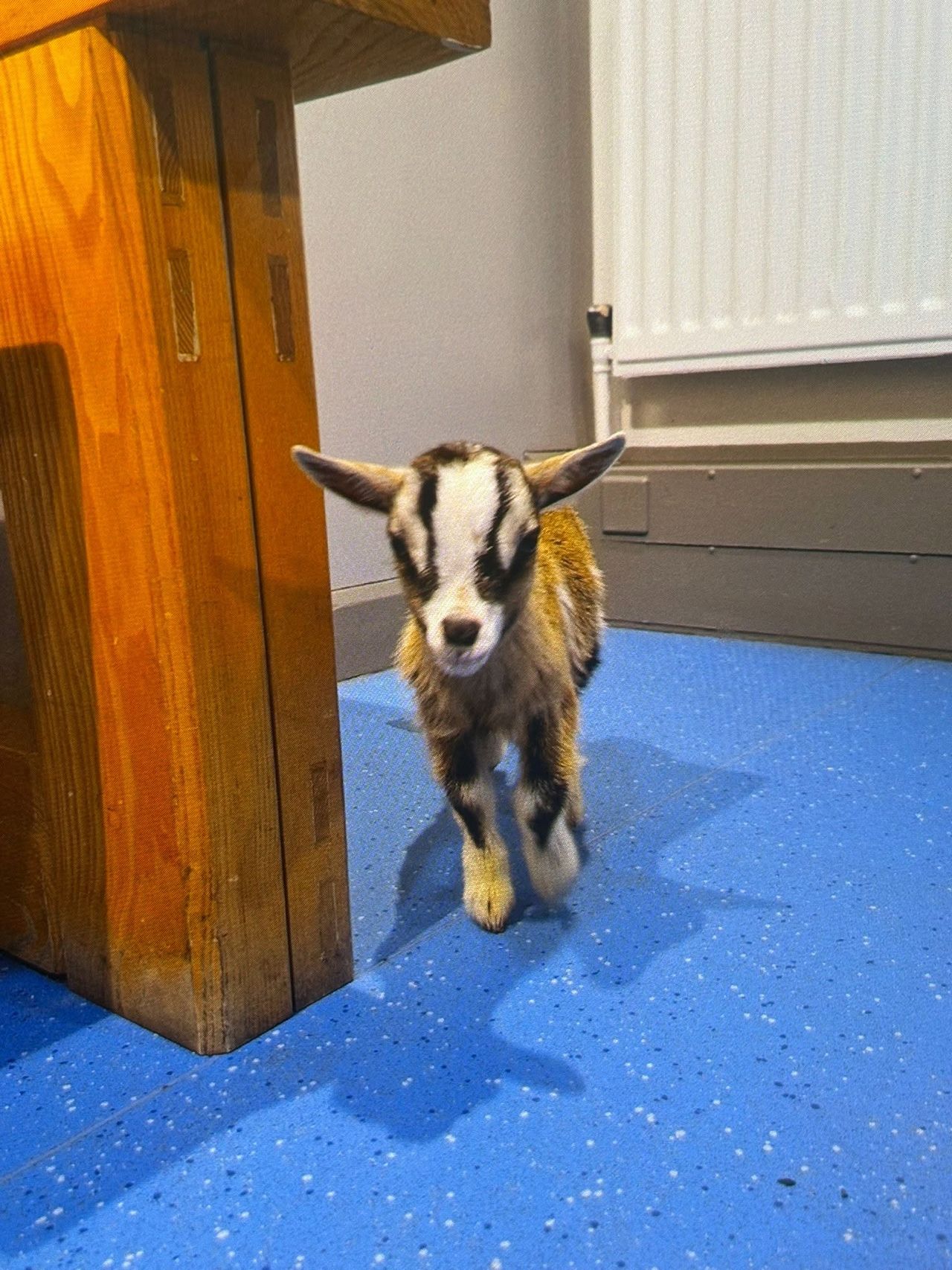
PSNI has confirmed today (June 17) that a baby goat has been "safely" returned to its mother after it was stolen from a farm in Co. Armagh.