

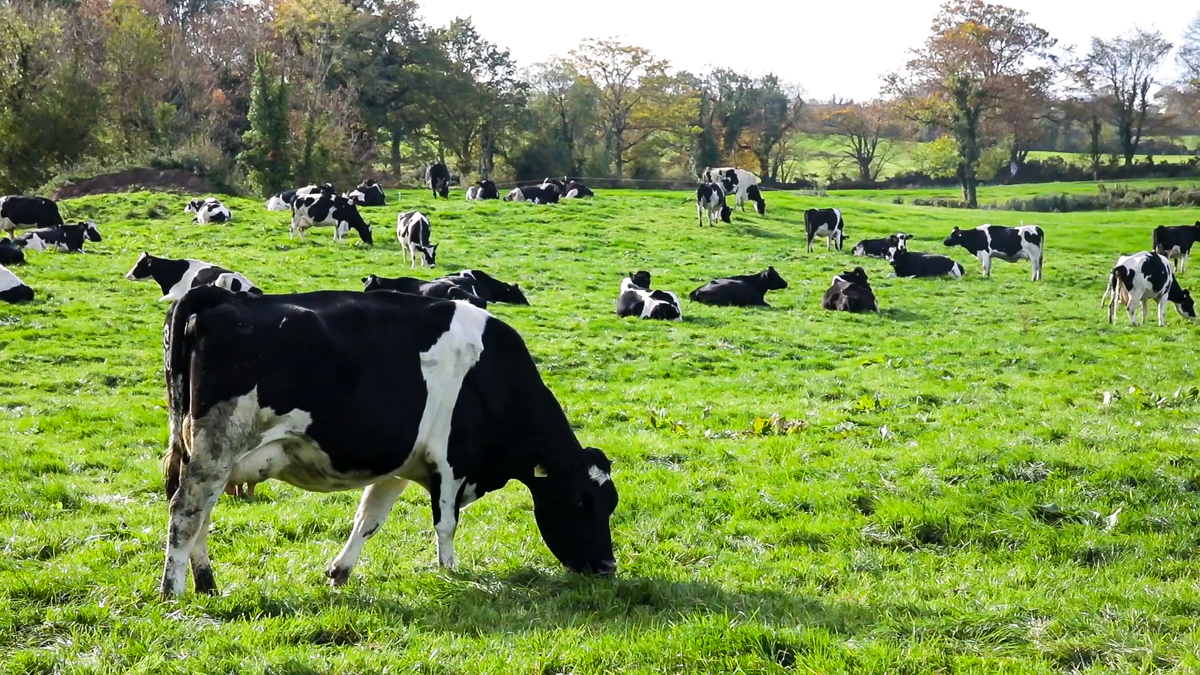
Considering how advanced breeding has got, it is easy to get so caught up in statistics and what is being bred to what, so much so that we forget about embryo survival.
When it comes to the term ‘breeding’, most farmers instantly think of sexed semen, 90% three-week submission rates, 60% conception rates, among plenty of more technicalities.
However, all of the hard work that goes into hitting those targets and choosing what bulls to use on what cows can ultimately end up meaningless, if cows are not managed properly after going in-calf.
Embryo survival typically relies on correct nutrition in early pregnancy, particularly in replacement heifers.
This is something that can be a problem when we get a wet spring like this year, as nutrition can go a little askew and cows may not be at the correct body condition score (BCS) when breeding roles around.
That is why it is critical to ensure the diet is right, so cows can get to the correct BCS for breeding, and that their energy intake is sufficient from there on after.
Embryo survival
Keeping the diet constant or even increasing the level of nutrition can help with embryo survival rates, high quality feed needs to be kept in front of cows and heifers to maximise their dry matter intake (DMI).
To maximise the herd’s DMI, make sure cows are grazing pre-grazing covers of 1,400kg DM/ha when the grass plant is at the 3-leaf stage and full of energy and protein.
If farms are entering paddocks above this, which many currently are as growth exceeds demand, the digestibility and DMI will be limited as the plant enters into its reproductive stage and begins to stem and grow a seed head.
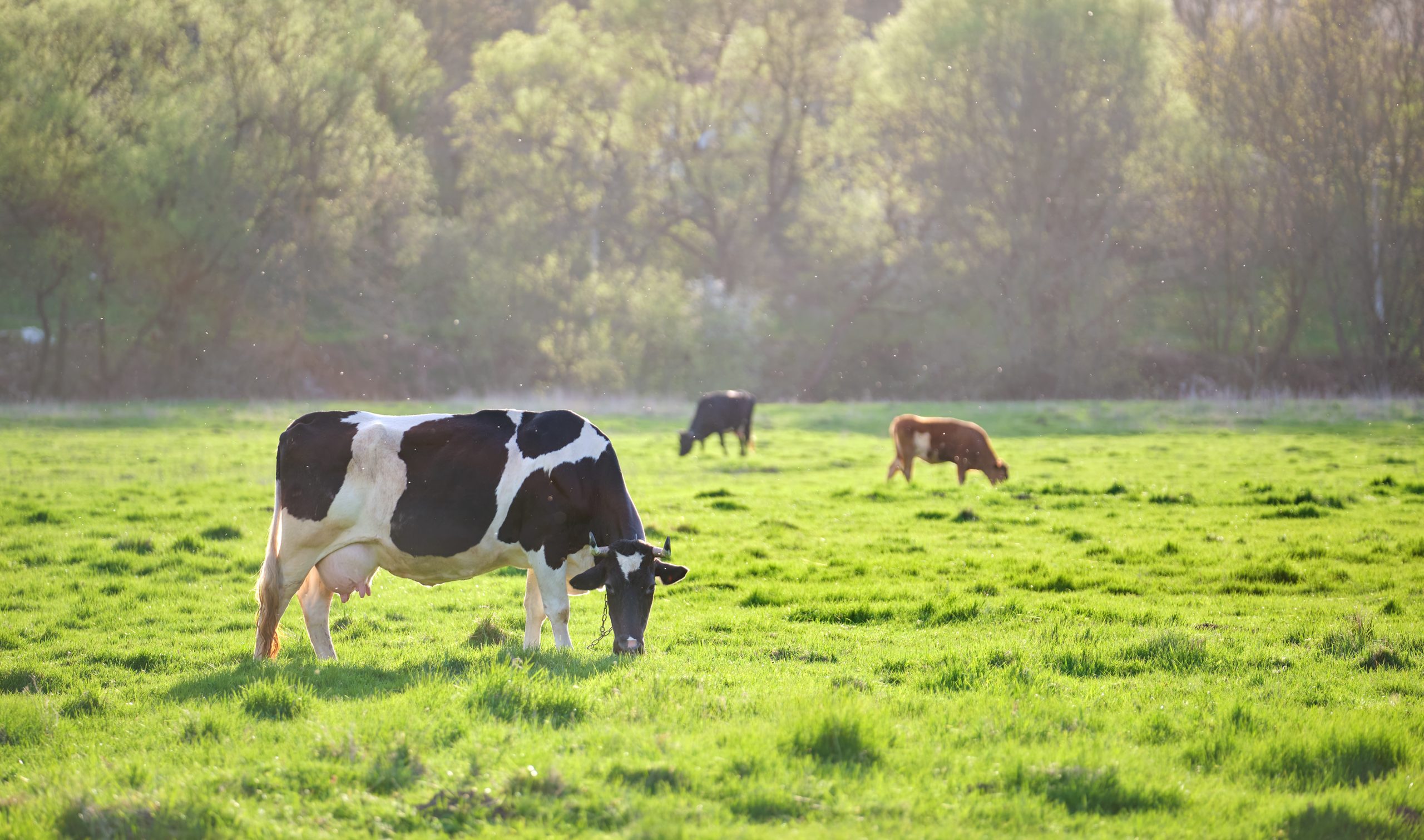
Even when farms are hitting the ideal pre-grazing yields, they need to ensure allocations are correct.
Around 19-20kg of DM should be allocated to a mature herd to ensure they are eating 17-18kg of grass DM.
Sticking to 24-36 hour grazing allocations should also allow for optimal intakes, especially for younger, less dominant cows.
With growth rates sitting around 60-70kg of DM/ha/day, farmers need to ensure cows are going through their rotation in 20-21 days in order for them to be back again grazing a cover of 1,400kg DM/ha.
Heifers should be grazing fresh, lush grass. This should be allocated regularly to ensure they are moving once a decent residual is achieved, avoiding any pinch in their intakes as you want to avoid placing any stress on the animal in early pregnancy
Analyse how much meal you are feeding in the cow’s diet, as high feeding rates will only displace the amount of grass DM the cow intakes, which will then have an impact on the cow’s energy intake.
As well as keeping on top of the cows nutrition, farmers also need to avoid causing any stress or any unnecessary disturbance to cows and heifers during the early stages of pregnancy, as this stress can negatively impact embryo survival.