

Farmers in Northern Ireland are expressing deep anger at increases in the cost of Farm Sustainability Payment (FSP) entitlements over recent months.
And they are attributing steps taken directly by Minister for Agriculture, Environment and Rural Affairs, Andrew Muir, as being at the heart of these increases.
These steps include the re-designation of all land areas, except lanes and farmyards, as being eligible for FSP support and the minister’s decision to close off the former FSP regional reserve.
Figures made public by Minister Muir confirm that the revised land eligibility rules have made approximately 62,800ha available for the 2026 FSP scheme.
That total is broken down as follows: 37,000ha within severely disadvantaged areas, 14,400ha within disadvantaged areas, and 11,400ha in lowland areas.
Entitlements quotas
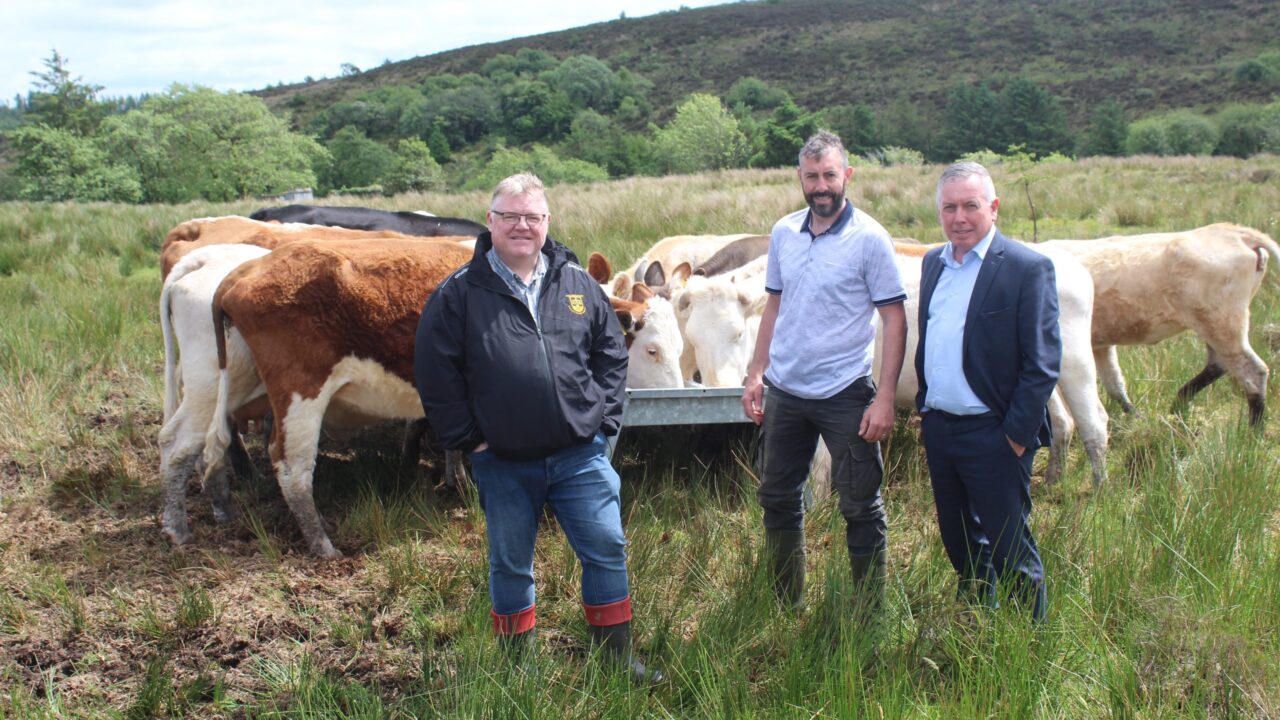
Martin Shortt, from Clogher in Co Tyrone, is one of the many farmers expressing deep annoyance at these developments. He manages a herd of 60 suckler cows with calves taken through to strong store weights.
In his case, problems relating to the management of entitlements can be traced back to 2015.
He explained: “Back then the decisions taken during the CAP (Common Agricultural Policy) reform to remove land that was deemed to be unproductive and from the total area of land made eligible for the then Single Farm Payment scheme.
“We were inspected at that time and were told that approximately 80ac of our farm would be deemed ineligible for single payment.
“This meant that we had to lease an additional 80ac simply to keep our full quota of entitlements active.”
Shortt added that he had “disagreed fundamentally” that the land removed from the single payment scheme was unproductive.
“The reality was that we grazed cows on it in a very selective way, with the aim of improving the ground on a continuing basis,” he said.
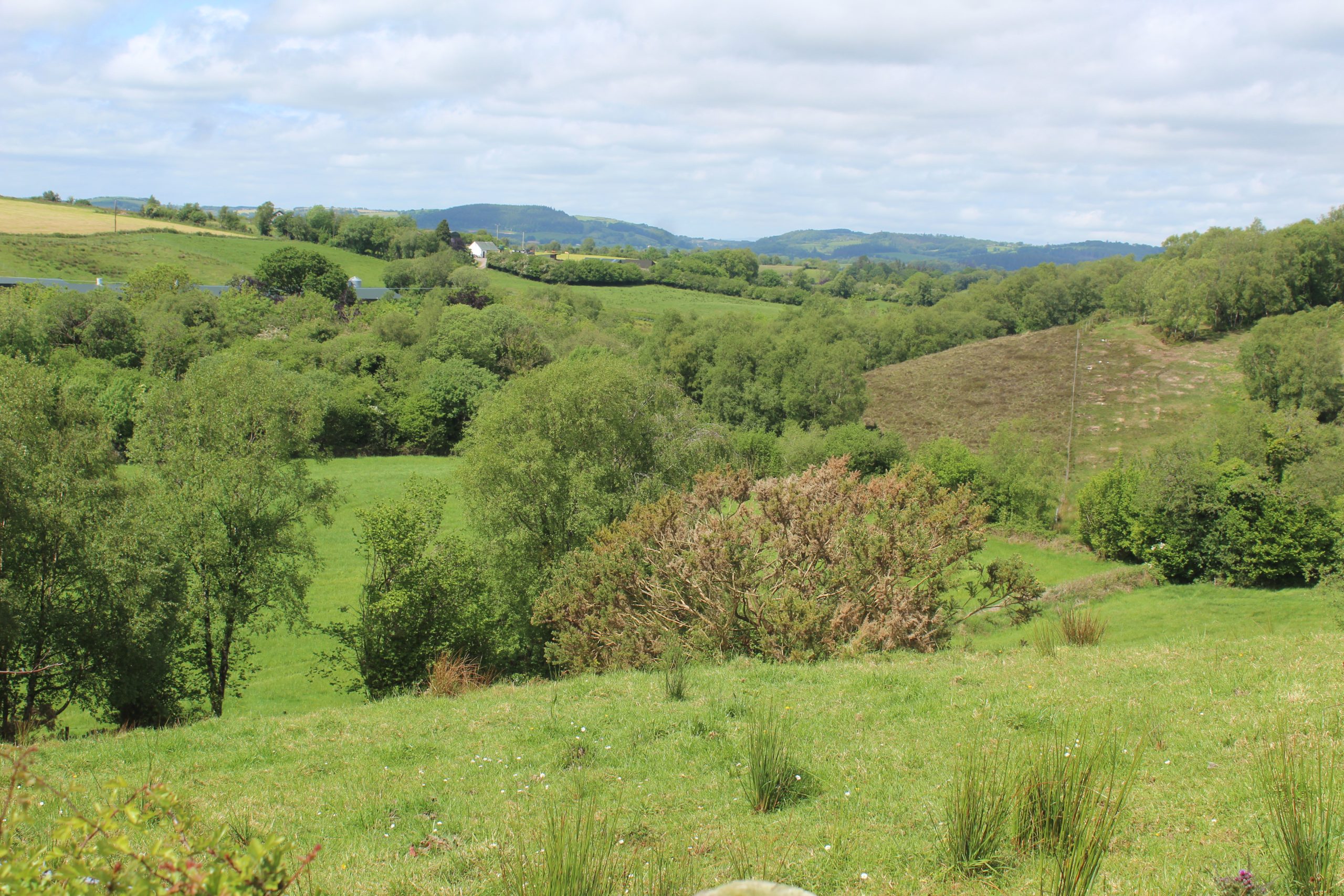
“But with the ground not having been farmed in a proactive manner over the past decade, scrub has become dominant where grass was previously available to graze.”
However, simply transferring entitlements from rented land back to the ground now re-designated for the FSP scheme makes no sense at all for Shortt.
He commented: “The only option was to buy or lease entitlements for the 80ac that was previously taken out of the single payment scheme.
“But they are not available. And this is purely because the minister closed off the regional reserve that had been building up for years on the back of farmers retiring or simply deciding to get out of agriculture.”
According to the Co. Tyrone farmer, he has now has a shortfall in the number of FSP entitlements available.
“It’s this shortage that has led to such a sharp increase in prices for the few entitlements that have been put on the market over the past few weeks,” he said.
“There is only one way to rectify this situation: the minister must reinstate the regional entitlement reserve.”
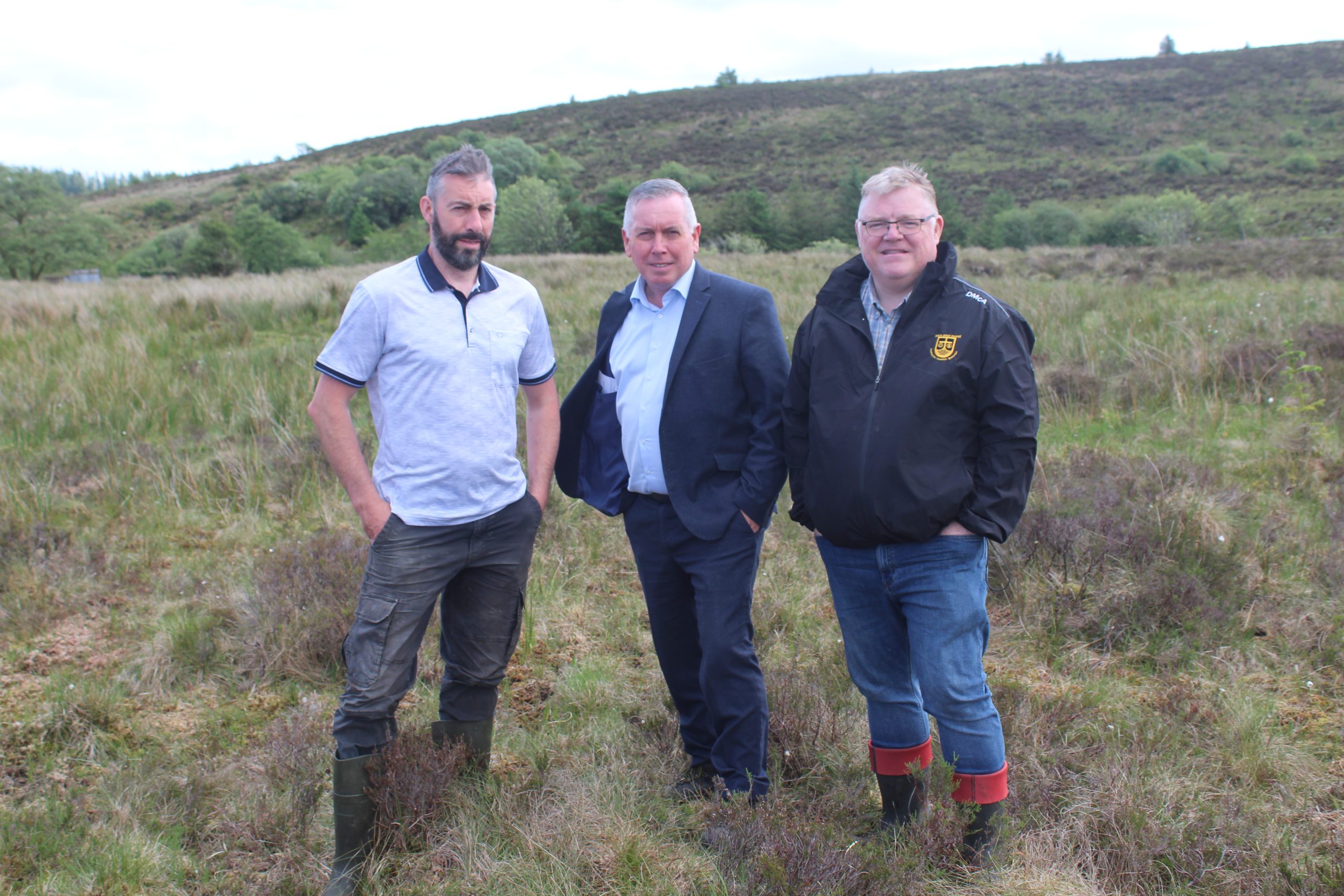
Declan McAleer is the vice chair of the Northern Ireland Agriculture Environment and Rural Affairs (AERA) Committee.
He recently visited the Shortt farm in the company of Cllr Eugene McConnell from Mid-Ulster District Council.
McAleer agrees that Minister Muir must reverse the decision to close-off the regional entitlement reserve.
He said: “It was made very clear to the minister what the impact of his actions would be when the decision to close the regional reserve was taken.”
ANC payments
The Sinn Féin politician is also arguing that the current state of the market for FSP entitlements makes the case of re-instating Areas of Natural Constraint (ANC) payments in Northern Ireland all the stronger.
He commented: “We now know that 60% of the additional land re-classified for the purposes of FSP is in ANC areas.
“However, the Department of Agriculture, Environment and Rural Affairs (DAERA) has also confirmed that these figures may continue to change as amendment requests submitted by farmers during the single application period are processed.”
McAleer noted that farmers in severely disadvantaged and disadvantaged areas face significant natural and economic pressures, yet “continue to play a vital role” in food production, environmental management, and sustaining rural communities.
“While farmers in these areas welcome the additional eligible land, most are incredibly frustrated as there are not enough entitlements available for this additional land,” the AERA Committee vice chair said.
“This pressure has been compounded by the decision to close the Regional Reserve and Young Farmers Scheme.”
According to McAleer, the announcement highlights the importance of putting in place a “dedicated ANC scheme to properly recognise and support farmers working in some of the most challenging regions”.
“The revised eligibility figures demonstrate the scale of farming activity taking place in these areas and reinforce the case for targeted financial support to ensure these farms remain viable into the future.”
Given this backdrop, McAleer has committed to pushing legislation through the Northern Ireland Assembly as a private members’ bill, which would act to re-instate ANC payments.
Significantly, cross-party support at Stormont has been secured for the proposed measure up to this point, with the draft bill passing its second reading stage a few weeks ago.
McAleer said: “In addition to the representatives of my own party, MLAs from the SDLP, the Ulster Unionist Party, Traditional Unionist Voice plus the Independent Unionist MLA, Claire Sugden and Gerry Carroll of People Before Profit, supported the second reading of the Bill.
“We have now commenced committee stage.”
The proposed legislation sets out to re-instate ANC payments for farmers in Northern Ireland, which were discontinued back in 2018.
AERA Committee members will take evidence from stakeholders regarding the detail of the bill over the coming months.
McAleer recognises that issues raised during the committee stage could well be translated into proposed amendments to his bill once it goes back to the floor of the Assembly.
“This is to be expected,” he said.
“For example, the bill currently refers to the provision of index-linked ANC payments.
“Traditionally, Stormont legislation does not take account of inflationary measures, where longer term payment schemes are concerned.
“However, a timetable remains in place which can allow the Bill to pass through all of its legislative stages during the lifetime of the current Assembly and Executive.”
Rural benefits
According to the Sinn Féin politician, re-instating an ANC scheme is justified to ensure the financial viability of farms in marginal areas.
It will also help protect rural economies and support the continued management of of environmentally important landscapes.
“This approach recognises the significant approach that ANC farmers make to carbon sequestration biodiversity and sustainable food production while addressing the structural disadvantages in farming these constrained areas,” McAleer continued.
“ANC payments will ensure that monies will flow into rural communities that need it most – benefitting local businesses, schools and community services.”
Once the bill is passed into law, the Department of Agriculture, Environment and Rural Affairs (DAERA) will be mandated to bring accompanying legislation through the Northern Ireland Assembly, which will set out the exact details of how the new ANC measures will be applied.
“This process must be completed within 12 months of my private members’ bill receiving royal assent,” McAleer further explained.
“This will include provision for the funding required to deliver adequate ANC payments at farm level.
“I believe there is a broad degree of political support at Stormont for the ANC Bill. And this can be built on for the future.”