

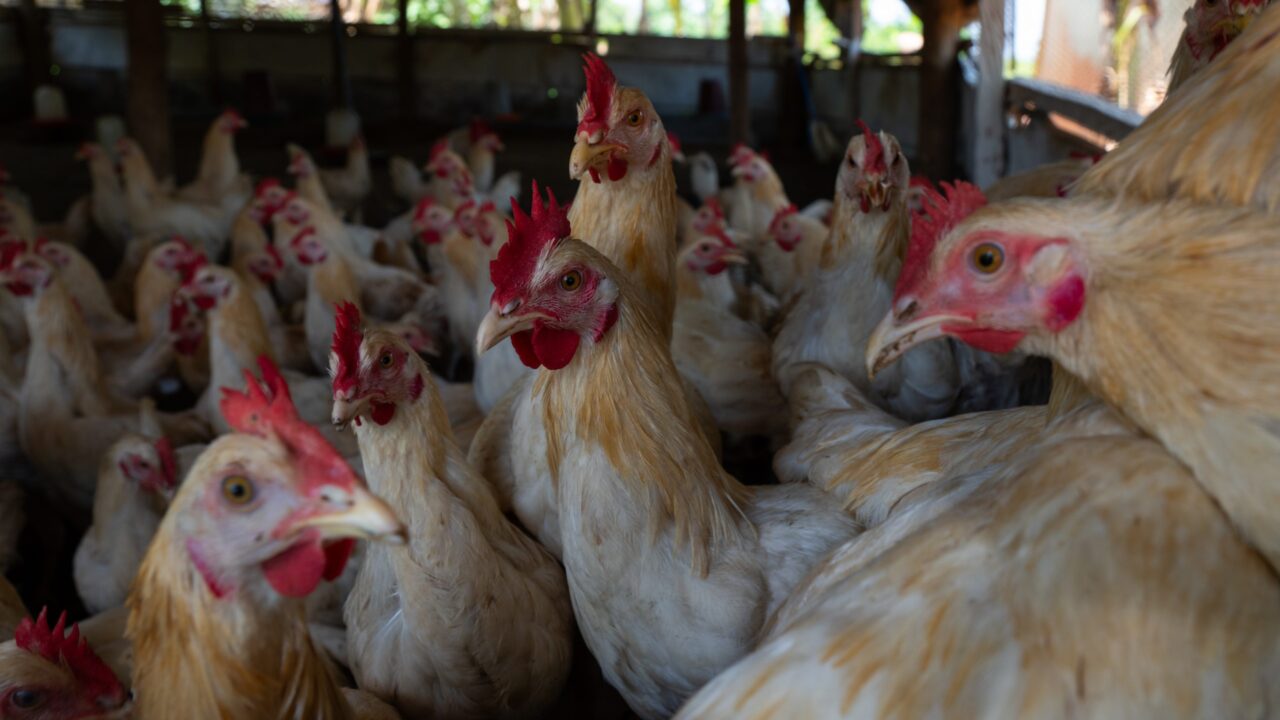
The global supply of terrestrial animal source food (TASF), driven mainly by egg, poultry and pig meat, has experienced a significant increase over the past six decades.
This expansion has made livestock one of the fastest-growing components of the agricultural sector, according to a new study by the Food and Agriculture Organization of the United Nations (FAO).
The report, ‘Drivers of supply and demand of terrestrial animal source food – An evidence and policy overview on the state of knowledge and gaps‘, provides a global assessment of the livestock sector’s contribution to food security, sustainable agri-food systems, nutrition and healthy diets, and identifies key knowledge gaps.
It covers production systems of all scales, ranging from integrated crop–livestock systems to specialised livestock operations, grazing systems and pastoralism, as well as wildlife farming and hunting.
The study examines global supply and demand for TASF, which includes products derived from mammals, birds and insects.
Research
It finds that the global supply of TASF has risen rapidly between 1961 and 2022.
Poultry meat showed the most pronounced growth, approximately five-fold, followed by eggs and pig meat, both of which nearly doubled.
Bovine meat remained stable or declined in many regions.
By 2022, global production of TASF reached:
- 361 million tonnes of meat, up from around 71 million tonnes in 1961;
- 930 million tonnes of milk, up from approximately 342 million tonnes;
- 94 million tonnes of eggs, up from about 15 million tonnes.
Data on insect consumption remain limited, with most evidence coming from Africa, Asia and Latin America.
Available estimates suggest that around 1,900 species are consumed as food.
Regional disparities
Asia is now the largest producer of terrestrial animal source foods, followed by Europe.
However, production trends do not always translate into availability, according to the FAO.
Per capita supply remains highest in Northern America, while Asia, despite being the leading producer, has relatively low availability per person.
In sub-Saharan Africa, per capita supply has remained largely stagnant, with only limited gains in certain countries, such as milk in Kenya and poultry in South Africa.
Food loss and waste further exacerbate these disparities and present a growing sustainability challenge, according to the research.
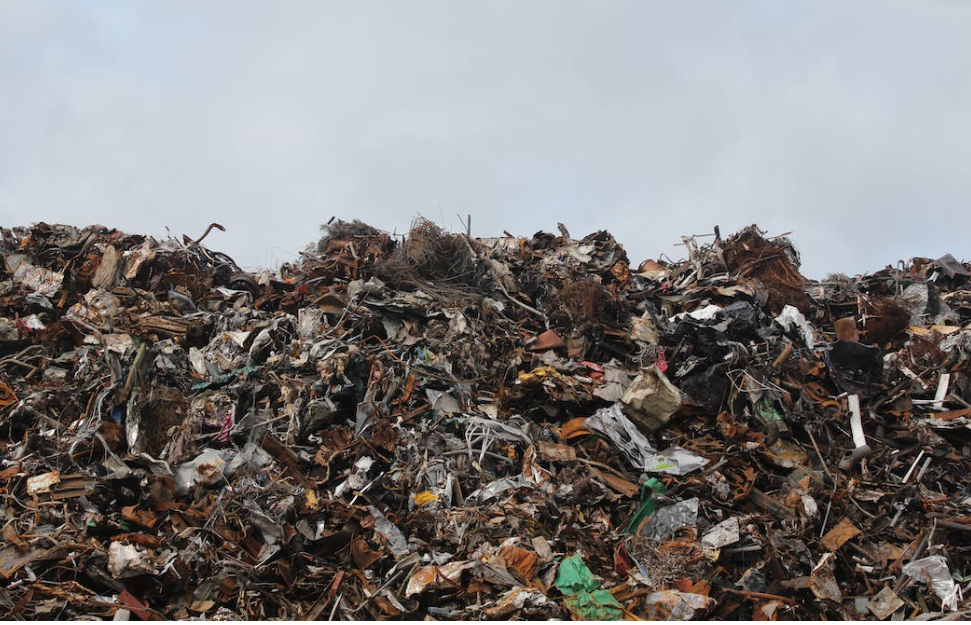
An estimated one-third of all food produced globally is lost or wasted, including roughly 14% of TASF, the FAO has indicated.
Losses are often linked to the perishable nature of these products, inadequate cold chain infrastructure and poor temperature control.
These challenges appear particularly acute in low- and middle-income countries, where consumption of animal source food remains comparatively low.
International trade continues to play a relatively limited role in global TASF supply, especially for developing economies, the study outlined,
Although trade volumes have increased, they still account for only about 10% of global consumption.
The role of food environments
The report highlights that evidence on the food environments of TASF, encompassing the broader contexts in which individuals make dietary choices, remains limited and uneven across regions.
Available data suggest that higher-fat meat and dairy products appear to be frequently more accessible and affordable than healthier alternatives.
It also highlights the differences in national legislative and policy documents.
High- and upper-middle-income countries focus on ensuring food safety, quality and regulating marketing, while low- and lower-middle-income countries prioritise boosting production, improving availability and lowering prices to enhance affordability and self-sufficiency.
Emerging challenges
FAO deputy director-general Godfrey Magwenzi and FAO chief economist Máximo Torero stated: “The many breeds and species of livestock on our planet can thrive in a wide range of environments, particularly in areas less suited or unsuitable for crop production, and contribute to a wide variety of healthy diets.
“However, to optimise this contribution to human and planetary health, the livestock sector must address a range of challenges.”
These challenges span environmental pressures such as deforestation, land-use change, greenhouse gas (GHG) emissions, unsustainable use of land and water pollution.
Other challenges include competition between food and feed – as well as herd management issues, including low productivity, overgrazing and poor animal welfare.
They also encompass animal health and welfare concerns, alongside broader social challenges, such as inequity, and risks linked to human–livestock interactions, including zoonotic and foodborne diseases and antimicrobial resistance (AMR).