Calls for clarification on future support for NI private woodlands

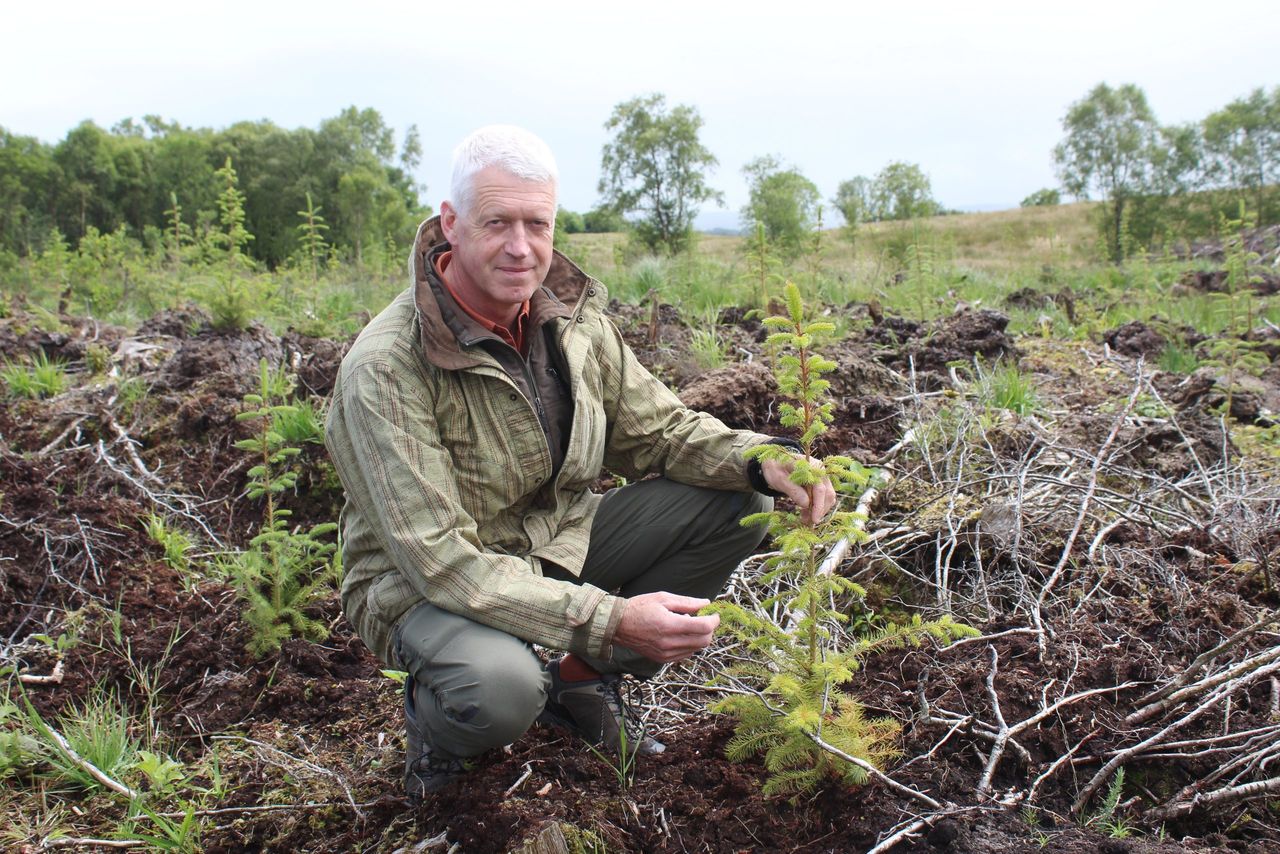
Premier Woodlands’ managing director, John Hetherington has called for clarification on the future support schemes that will underpin private woodland development in Northern Ireland.
His intervention coincides with the potential ending of the Forestry Expansion Scheme (FES) and the Small Woodland Grant Scheme (SWGS).
Hetherington has asked the Department of Agriculture, Environment and Rural Affairs (DAERA) and Forest Service whether both measures will be maintained into the future or if they would be replaced with other schemes.
He said: “It’s important that strategic decisions regarding the future of forestry support are taken and that these developments are widely communicated to all relevant stakeholder groups effectively and without delay.
“Getting the principle of future support schemes correct is important, but of equal significance is the need to ensure that all accompanying grant elements fully reflect the full costs of establishing a new woodlands.”
Support measures
The Premier Woodlands representative also noted that fencing grant rates available under the previous FES and SWGS measures progressed did not increase.
Hetherington said: “It was made clear at the launch of these measures that the full costs of establishing new woodlands would be provided for.
“However, this commitment was eroded over time as the fence grant rates remained fixed while the costs associated with the establishment of new woodlands escalated at an ever-increasing rate.
“So it is important that new support measures have a built-in provision to reflect the increase in plantation establishment costs over time within the grant contract term.”
Hetherington is also calling for timely decision-making on the part of Forest Service when it come to the implementation of new woodland support measures.
He said that application dates and the follow-up administration associated with official offers of planting grant “must be timed so as to ensure that contractors have a full tree planting season available to them in order to complete the work in hand”.
“This never occurred with FES or SWGS, resulting in much reduced time available to carry out site operations.”
Delays in getting grant offers out to land owners also led to a significant reduction in the quantities of suitable young tree stocks available from nurseries, according to the Premier Woodlands’ managing director.
Hetherington also highlighted issues relating to the importation into Northern Ireland of young trees from nurseries located in Great Britain.
“This is a matter that must be addressed by the members of the Stormont Executive as a matter of priority.”
He recognised that stakeholder organisations within the land use, woodland development and environmental sector are meeting “to identify ways by which tree planting rates in Northern Ireland can be increased”.
“However, these aspirations will never be realised until such times as the role of the private woodland development sector is fully recognised and land owners interested in woodland development are suitable supported,” Hetherington said.