

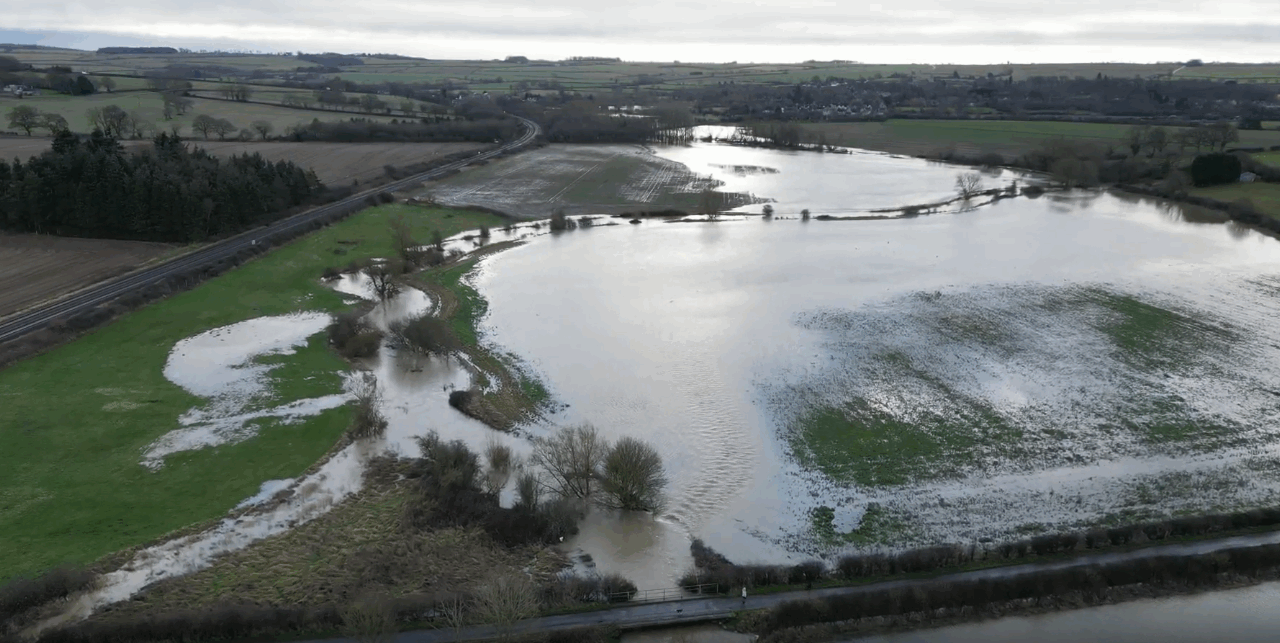
Farmers across the Cotswolds have officially begun working on what is being described as the UK’s largest farmer-led nature restoration project, following confirmation of government funding.
The Evenlode Landscape Recovery project, led by the North East Cotswolds Farmer Cluster (NECFC), will involve over 50 farms working in collaboration to restore over 3,000ha of land across Oxfordshire, Gloucestershire, and Warwickshire.
The project is being backed by more than £100 million of public funding through the Landscape Recovery scheme, which is administered by the Department for Environment, Food and Rural Affairs (Defra), and will run over 20 years.
Farmer-led
The scheme has been designed and developed by farmers themselves and is one of the first Landscape Recovery projects in the UK to move from planning into full delivery.
Tim Field, who is the NECFC general secretary and executive director of the project, said: “This project has been built by farmers and with farmers, who know this land inside out.
“We’ve seen the pressures building year after year with flooding and tired soils and knew that significant change needed to happen.”
Over the course of the project, participating farms will continue to use their land for food production, while also providing environmental benefits by adopting practices that “support wildlife, improve soil structure and protect watercourses.”
Flooding
According to Defra, around 19% of the project area lies within flood zones – with a participating farmer saying that one of their fields was reported as flooded a total of nine times in the winter of 2023/2024.
The wider catchment area includes 16 river water bodies, such as the River Evenlode and its tributaries, the Glyme and the Dorn, which are all areas that have reportedly experienced declining water quality, biodiversity loss and increased flooding pressure over the years.
As part of the project, each farm will commit 10-15% of its less productive land, much of which is already being lost to flooding, to be utilised for wetlands, riverside habitat restoration, and natural flood management.
The project also aims to return benefits for the land such as reducing runoff, improving river health and helping to keep surrounding farmland workable for longer.
Nature recovery
The Cotswolds’ landscape supports a wide range of habitats including woodland, limestone grasslands, and lowland meadows,
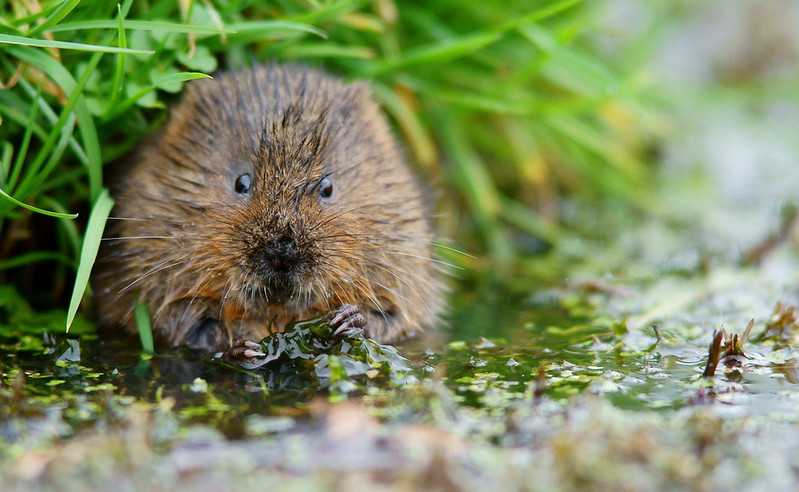
With priority species such as water voles and native crayfish identified for targeted conservation action, particpating farmers will work together to restore and improve riverside habitats to protect these endangered species, alongside rare plants such as fen violet and downy woundwort.
Alan Lovell, who is the chair of the Environment Agency said the project’s work will deliver lasting environmental and economic benefits.
He commented: “The Evenlode project marks an exciting milestone; this innovative project will improve water quality, strengthen flood resilience and deliver lasting economic benefits to over 50 farmers and landowners in the area.
““This project is a brilliant example of collaborative work creating a powerful legacy and setting great standards for future landscape recovery schemes restoring and enhancing our environment.”
Funding
Alongside public funding, the project is trialling a blended finance model designed to attract private investment, including income from flood management agreements, biodiversity net gains and carbon markets.
The project has already secured its first natural flood management off-take agreement with Oxfordshire County Council and is in discussions with other infrastructure operators in the catchment, according to Defra.
Natural England chief executive, Marian Spain said the project showed how public and private funding could work together.
She noted: “Evenlode presents an exciting opportunity for both public and private investment in nature-based solutions.
“Recovering nature across the project area will help to manage flood risk in an area which has been hit hard by wet weather in recent years, as well as improving water quality.”
