

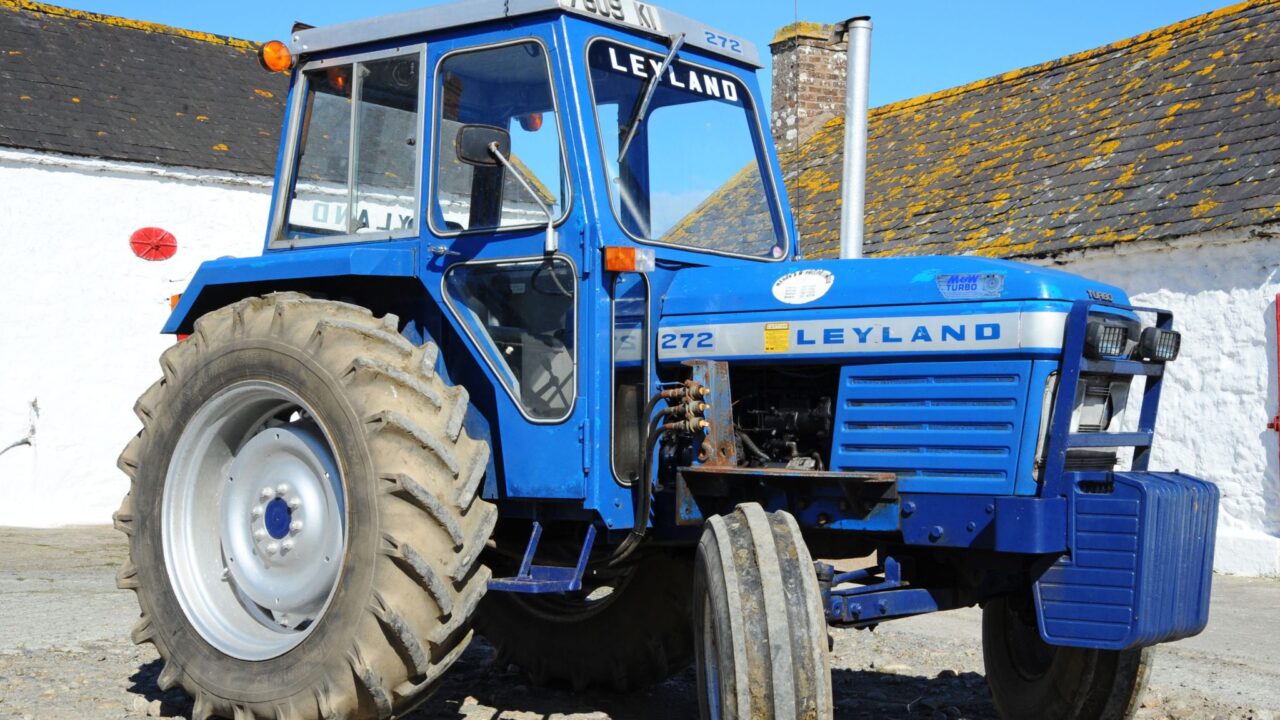
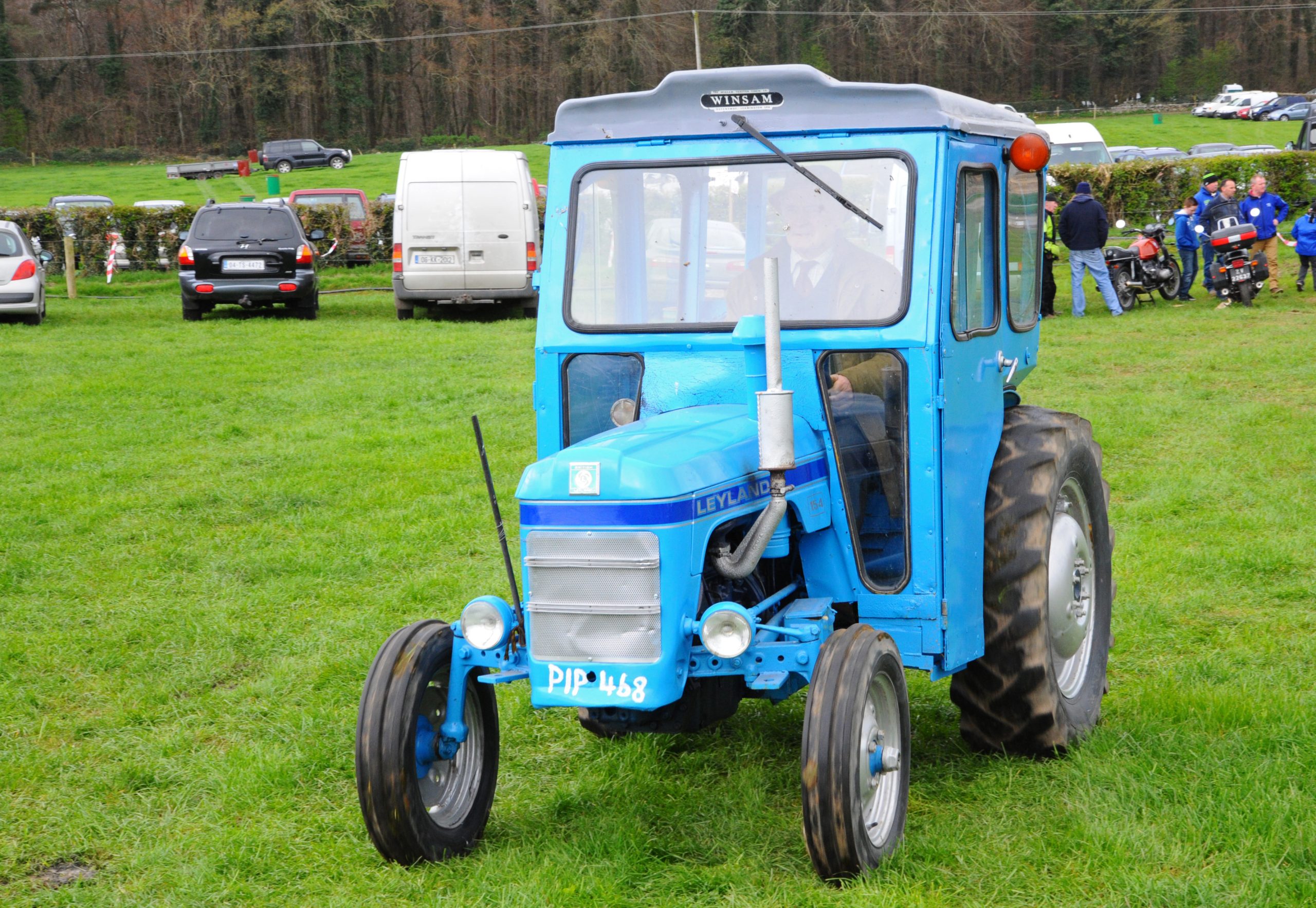
Sadly, Leyland Tractors was one of the marques that passed into history in the latter part of the last century, as tractor sales by volume were hit by demand for bigger machines and more specialised production.
Yet Leyland Tractors did not go without making a memorable contribution to the machinery world of the 1970s and 1980s, which was chiefly in the form of its 98 engine series.
These engines were introduced in 1972 and became available in either four or six cylinder form, both sharing the same 98mm diameter bore, hence the name.
BMC base
Derived from the inherited BMC engines of 100mm bore, they were unashamedly long stroke engines, designed to provide torque at low revs.
It was this ‘grunt’ that endeared them to many drivers, as they seemed to just keep going whatever was thrown at them.
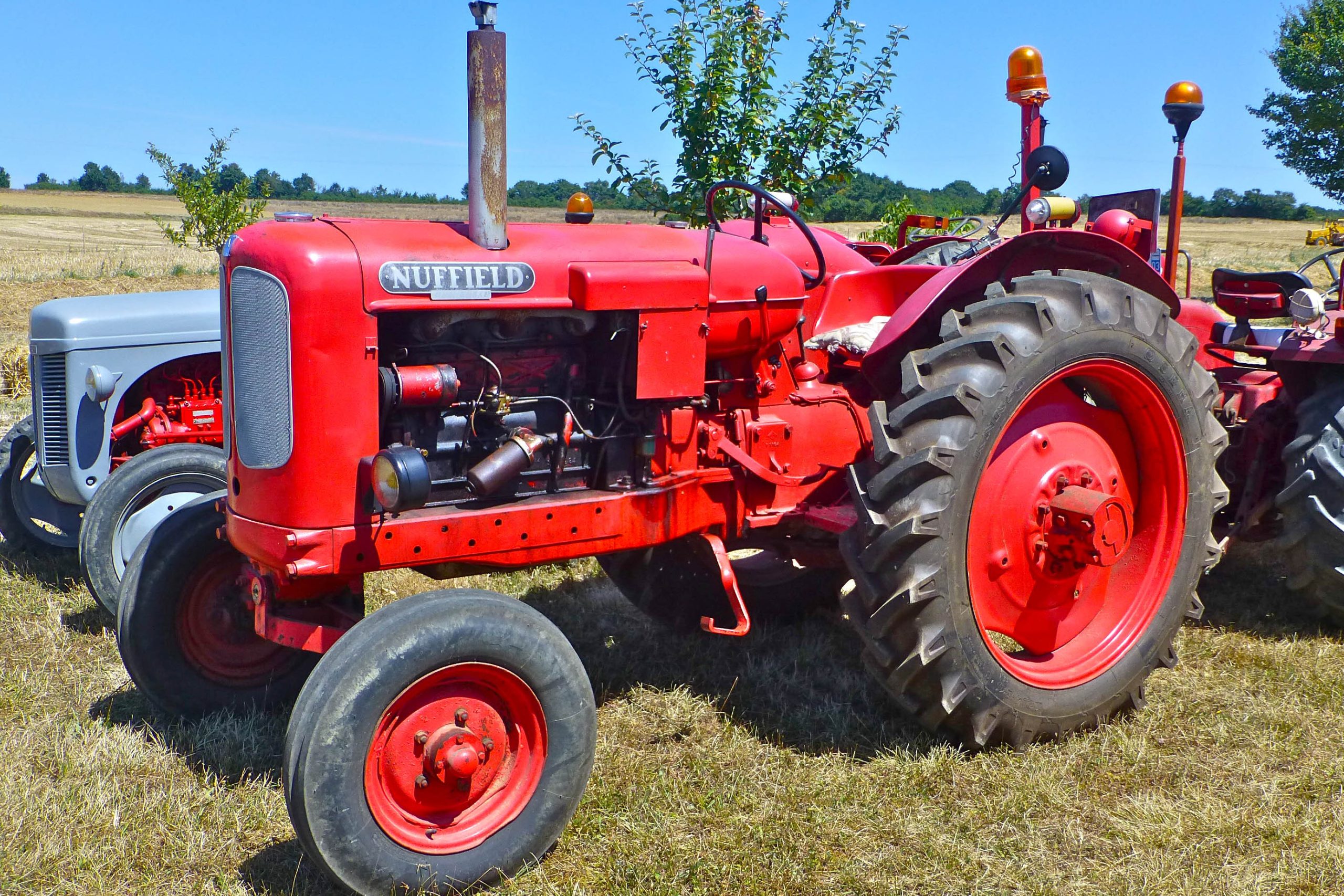
Yet it was not just the bore that had been changed by the British Leyland engineers – the cylinder head had been redesigned with new valves, porting, and location of the injectors while the cylinder liners had also been updated.
The result was an efficient and what proved to be a highly durable engine that was also used in the company’s lorries, marine applications, and even for its early backhoes.
Torque was king
The key to the torque developed by a long stroke engine is that more leverage is exerted on the crankshaft due to its longer throw.
In the case of the 98 series engines, the stroke is 125mm.
It was this stroke length which was more suitable for diesels of the time, for diesel fuel combustion is not instantaneous.
Diesel fuel is injected into the combustion chamber over a very short time interval, whereas in a petrol unit it is already mixed with the air, allowing for a more rapid propagation of the flame front.
A longer stroke allows more time for the diesel fuel to ignite and burn, which in turn favours more efficient combustion.
Downsides
It is not a free lunch however, for the longer the stroke, the greater the mean piston speed at higher revs – and so the more vibration and stress on engine components.
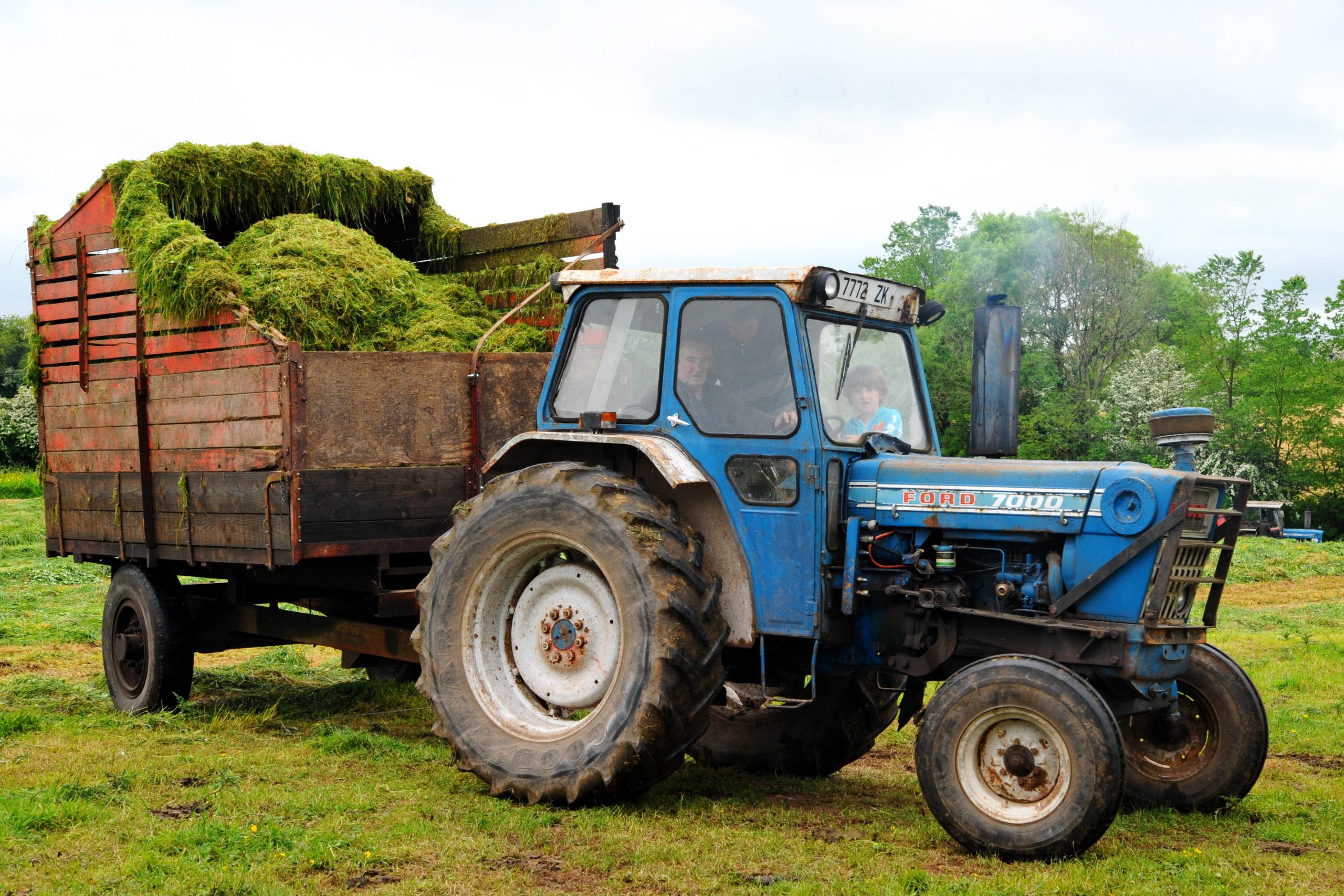
The 98x125mm dimensions of the Leyland engine may be compared to the ‘over square’ block of the Ford 7000 of the time, which had bore and stroke of 112x107mm.
Unsurprisingly, this was originally derived from a petrol engine intended for the US market.
Perkins held to much the same philosophy as Leyland with the A4 engine of the Massey Ferguson 185 having a bore of 101mm and a stroke of 127, while the John Deere 2030 of the same era fell somewhere in between at 102x110mm.
Yet it was the Leyland that become renowned for digging in when the revs dropped .
During the 1970s, there was, within tractor circles, some derision of the ‘American’ way of doing things.
98 series: Ahead of its time
Wind the clock forward nearly half a century and current engine dimensions are buried in the sales literature, if listed at all.
Yet the argument for a longer stroke seems to have won out, with New Holland and John Deere having a long rather than square configuration in their mid-range tractors.
The Leyland 98 series engines were well engineered and well respected within and beyond agriculture.
In September 1972, Leyland introduced the new engines into its lorry range, with the 4/98 producing 69hp in the 6.5t Terrier T650, while the 109hp 6/98 was used in both the rigid and tractor unit versions of the 12t Boxer.
Bathgate woes
The construction of all Leyland commercial vehicles had been based at Bathgate in Scotland.
This included its tractors, trucks and busses, along with the engines and transmissions.
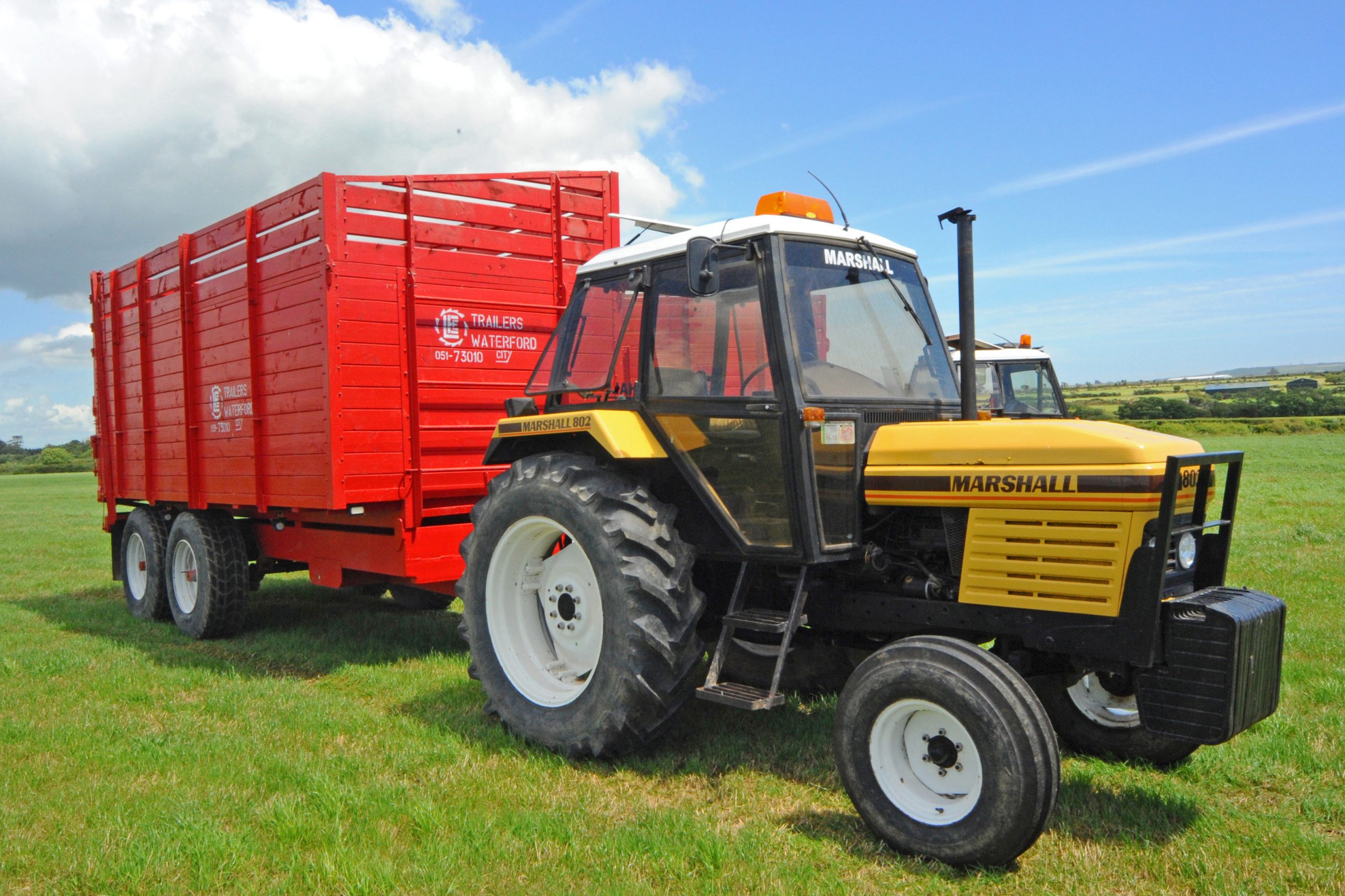
Despite the success of these engines and the later introduction of the Synchro gearbox in 1978, Leyland tractors suffered from a lack of investment and the division was eventually sold to Marshall Tractors of Gainsborough.
When the Bathgate factory itself finally closed in 1985, the production of the 98 series of engines ceased, but by then it had proven itself over 13 years and was probably requiring a major upgrade to stay relevant.
Yet its reputation lives on, and parts are still available for this trooper of an engine.