Managing calves as they are turned out to grass

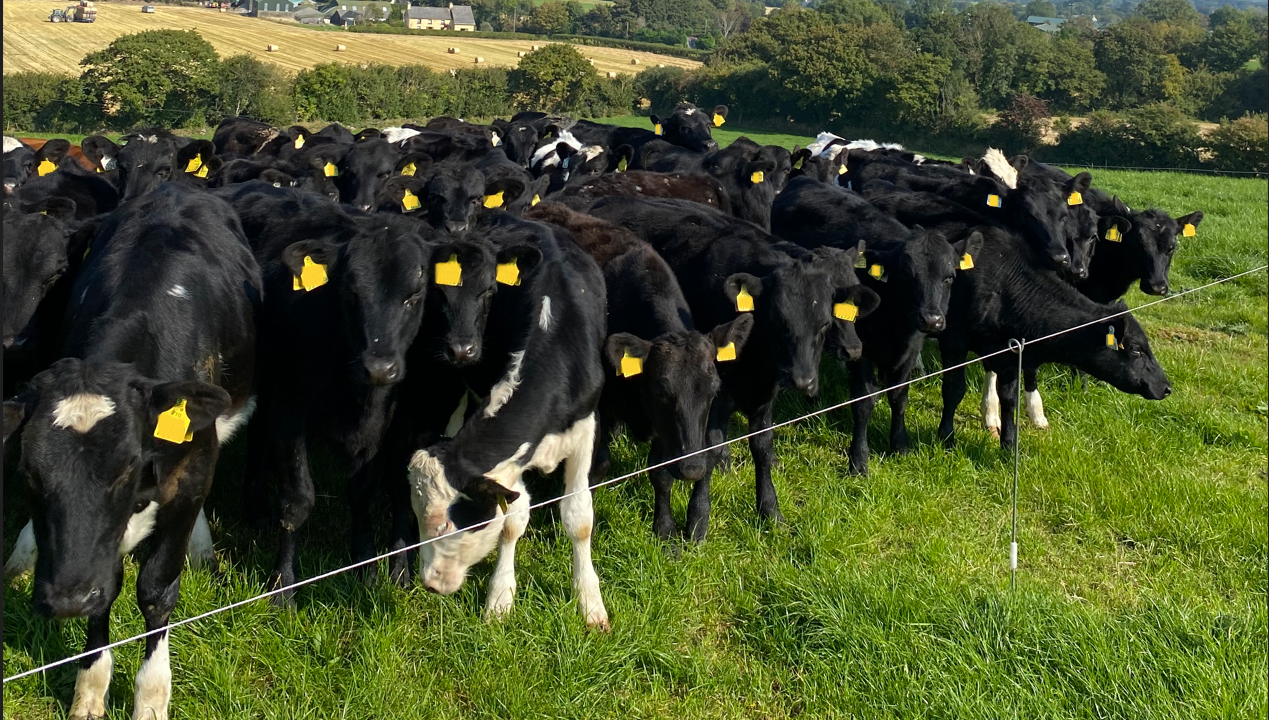
The poor spring has lead to a lot of farms still having calves housed despite weaning taking place a number of weeks ago.
A number of farms are only finishing up the first grazing rotation now, and have given no thought to getting calves out.
Other farms are on second, third, and even ready to start fourth rotations, but again, some have calves out and others do not.
Either way, the majority of dairy replacement heifers are well and truly beyond eight weeks-of-age, with the first born calves pushing 14 weeks-of-age now.
Calves are typically weaned between 8-10 weeks-of-age, and then kept indoors and fed meal with hay or straw for a week or two before going out, to ensure they are in full health and in good condition.
That means a lot of the dairy replacements should be just about ready to get out to grass.
On the other hand, if you are rearing your own dairy-beef calves, they may not yet be ready to go to grass as they are typically born later in the season, meaning they may only be weaning now or just finished weaning.
Getting calves out to grass can be a labour-intensive job, as they can go mad with excitement and go everywhere and anywhere except where you want them to go.
Despite this, it may be worth running two mobs, one with the earlier dairy replacement heifers, and the second with the later dairy-beef calves.
This can give the calves more of an opportunity to thrive, as well as limiting the risk factor with diseases spreading.
Turnout to grass
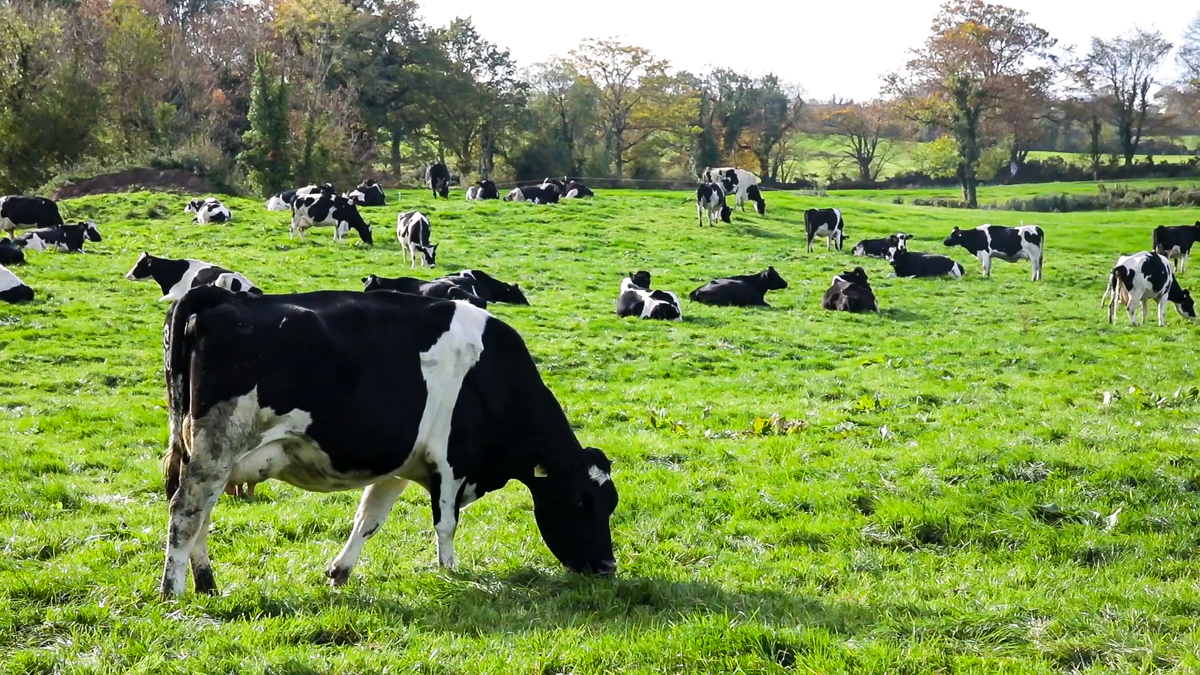
Once you are happy that the calves are correctly weaned and consuming at least 1.5kg of concentrates a day, they should be turned out to pasture.
Calves should be let out to paddocks of covers less than 1,000kg of dry matter (DM)/ha, as these covers will encourage intakes.
The paddock should be well-sheltered as even though the days are getting warmer, the nights can still be quite cold.
If setting them out to an open paddock exposed to harshness, putting a few bales of straw in the field may offer some shelter for the young stock.
If the paddock is close to the calf shed and the labour units are available, it may be possible to bring the calves back into the shed at night for the first few weeks in a bid to avoid any potential upsets.
Meal feeding should be maintained post-turnout for at least five to six weeks to help the calves transition to eating grass at a feeding rate of 1.5-2kg of meal/head/day.
If the weather is good and calves are in good form, they can be taken off meal from around mid-June before being re-introduced in September.
However, any weak or late-born calves should be kept on meal for the summer months.
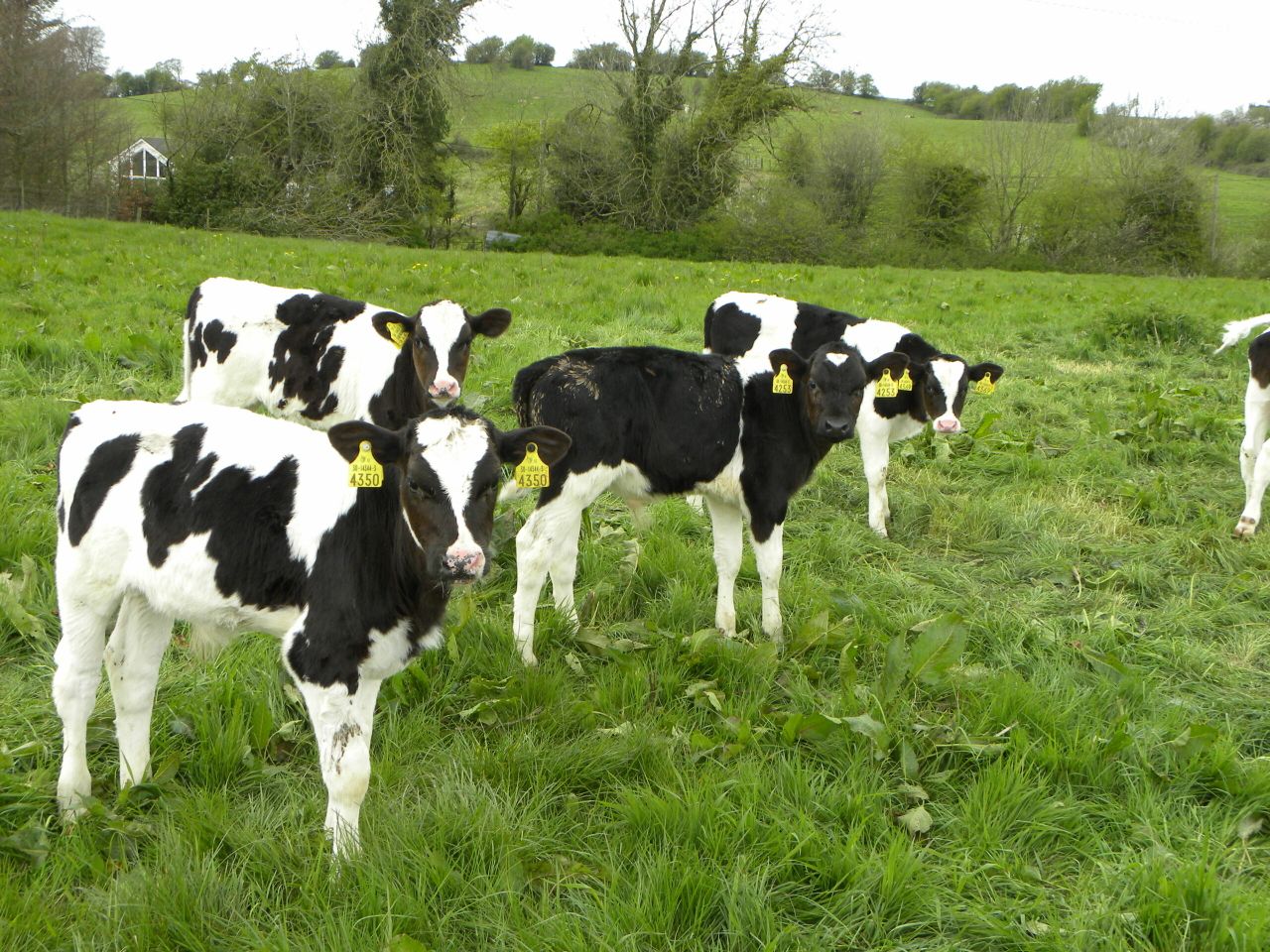
Farmers also need to be wary about getting calves out to the same paddock year after year.
Altering the paddock will help avoid the build-up of pathogens and diseases.
With plenty of fertiliser getting out at the minute, farmers also need to be mindful to avoid paddocks that have recently received high levels of nitrogen (N).
The same goes for very lush and protein-rich paddocks as calves will continue grazing the leafier parts of the grass, which contain more nitrates and non-protein nitrogen (NPN).
If calves are grazing this kind of grass, a large quantity of ammonia may build-up in the rumen if it is not fully developed and cause digestive upsets.
Introducing some fresh hay or straw into the diet may also prevent digestive upsets.
Remember to stay on top of the vaccination programme, giving calves boosters at the right time, and be conscious of issues such as summer scour syndrome.