

Members of the public have been asked to share their views on a draft Nature Recovery Strategy which aims to “restore, manage and protect Northern Ireland’s habitats for future generations”.
The draft plan sets out how the Department of Agriculture, Environment and Rural Affairs (DAERA) will meet international and national ambitions on biodiversity up to 2032.
There are five strategic objectives and actions contained in the plan which the department said will “help deliver transformation across government, business and society to safeguard and restore nature and biodiversity”.
This includes actions that have already been agreed or are in development in existing strategies and policies, as well as additional new actions that have been identified to further promote nature restoration.
The proposed additional actions for 2026 include:
- Publishing a tree planting action plan;
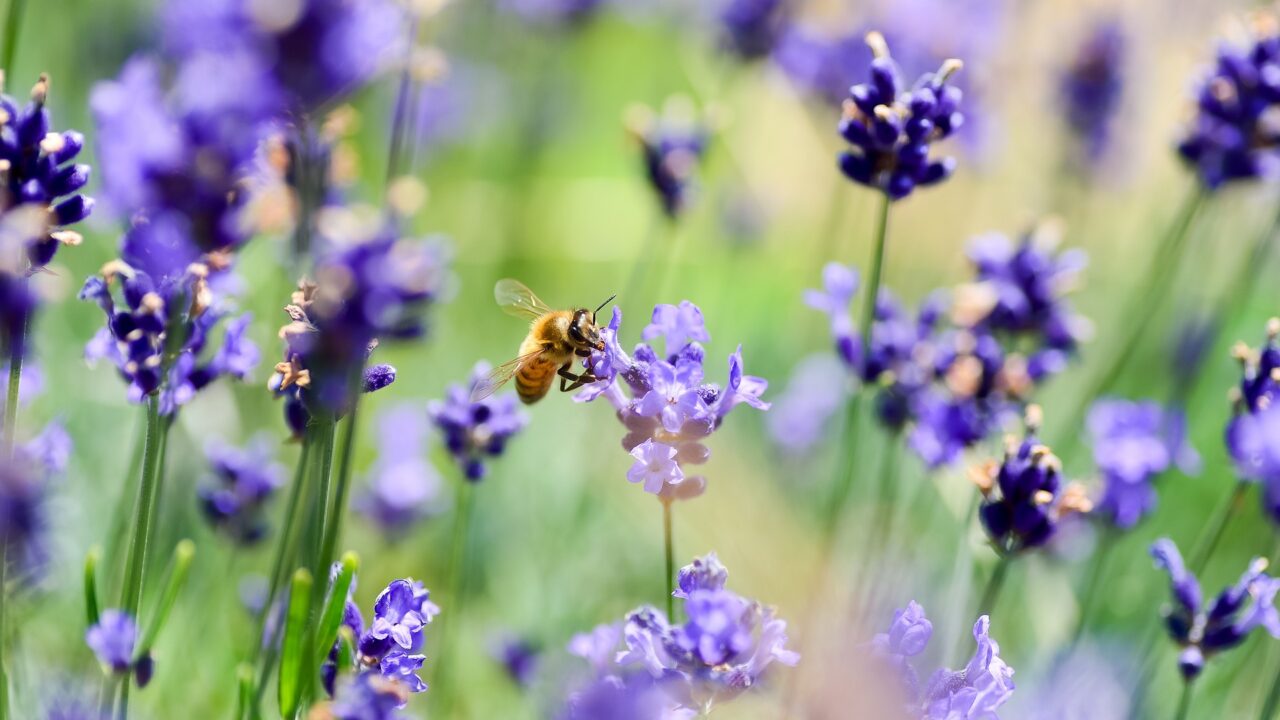
- Development of a new All-Ireland Pollinator Plan for 2026-2030;
- Development of a Protected Sites Delivery Plan;
- Publishing a Plastic Pollution Plan;
- Launching a Public Consultation on Northern Ireland’s first Clean Air Strategy;
- Publishing the report on latest Northern Ireland Countryside Survey (2022-2025).
DAERA will also work to convene a Nature Recovery Forum to oversee the successful implementation of the strategy.
Nature
According to DAERA, nature is in decline across the world, including Northern Ireland, where many habitats and species are under threat with 40% of the flora and fauna in the most protected sites falling short of ‘favourable condition’ standards.
Only one of 49 priority habitat types in Northern Ireland are considered to be at favourable conservation status, while 12% of Northern Ireland species are currently threatened with extinction.

Launching the public consultation, DAERA Minister Andrew Muir said that Northern Ireland has “some of the world’s most beautiful landscapes and precious habitats”.
“Our society continues to exert growing pressures on the natural environment, making it imperative to adopt a collective and comprehensive approach to reverse and prevent further decline.
“This strategy has been developed by my department to provide support not only for designated sites but for the wider countryside as well.
“Nature can recover if we start recognising its value, stop doing things that harm it, and treat it with the respect it deserves,” he said.
Minister Muir pointed to “recent conservation successes”, such as the breeding wader recovery project in the Antrim Hills and Lough Erne, the peatland restoration project at Mullaghcarn, and the Life-Raft project to protect native species on Rathlin Island.
“These initiatives demonstrate how collaboration and leadership can deliver practical action to halt and reverse the decline of nature,” he said.
The strategy and consultation documents are available on the DAERA website. Responses must be submitted before the deadline of March 18, 2026.
