

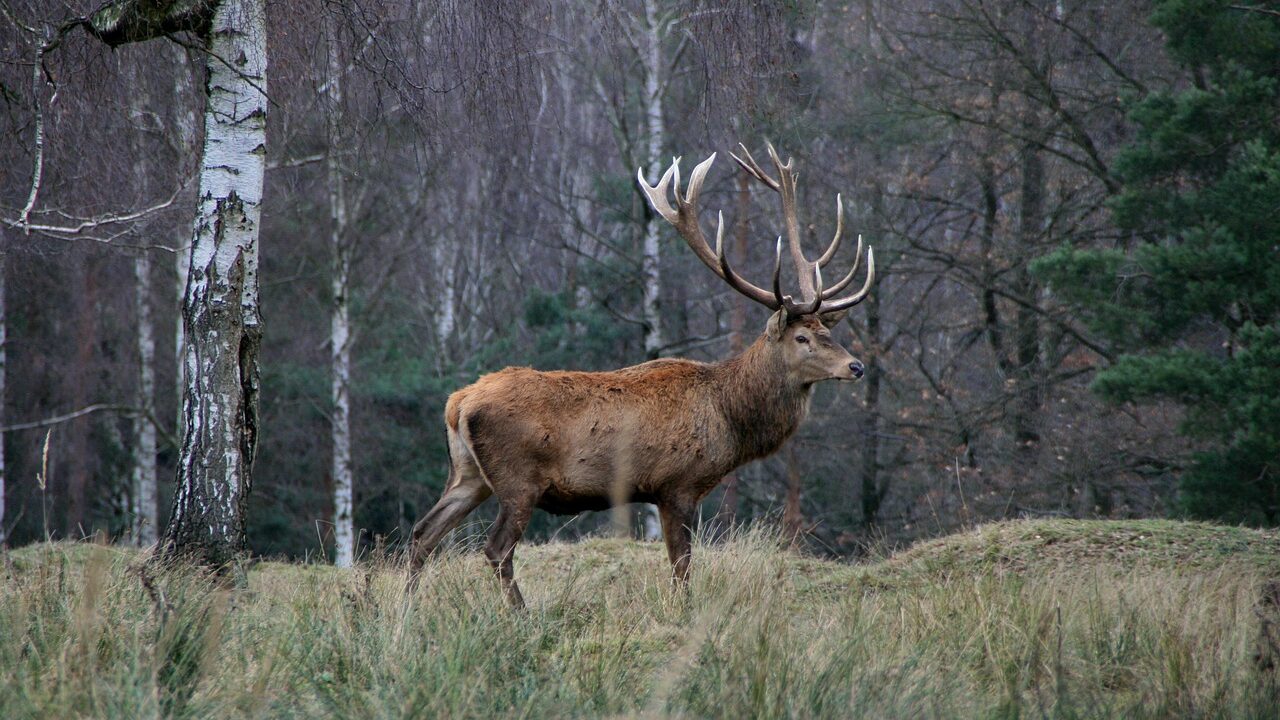
Landowners, foresters and farmers across England will be able to benefit from new measures to reduce the damaging impacts of deer on woodlands, due to a new 10-year Defra plan announced today (Friday, February 20).
According to Defra, ne-third of England’s woodlands are now affected by deer damage, with excessive browsing and trampling preventing young trees from establishing, degrading habitats, and damaging crops.
“Without urgent action, this damage risks undermining woodland creation, nature recovery and domestic timber production,” a statement from the department said.
Native deer
Native deer are an “iconic feature” of the English countryside and play a role in maintaining healthy, and wildlife-rich woodlands, the statement continued.
“However, growing deer impacts, including from non-native invasive species, are placing unsustainable pressure on trees and woodland habitats.”
Overgrazing reduces the diversity of ground flora and scrubs, includes flowering plants that play an essential role for pollinating insects and fruiting shrubs that support birds and mammals.
“Reducing deer pressure has been identified as a key management activity to enable the recovery of nightingale populations, which have declined by more than 90% since the 1960s, due to habitat loss and changes in woodland management,” Defra said.
Deer damage also affects wetlands, with recent surveys of the Norfolk Broads showing more than 10% of rare fen habitat has been impacted.
Currently, three of the six deer species present in England are invasive non-native, further intensifying pressure on sensitive environments.
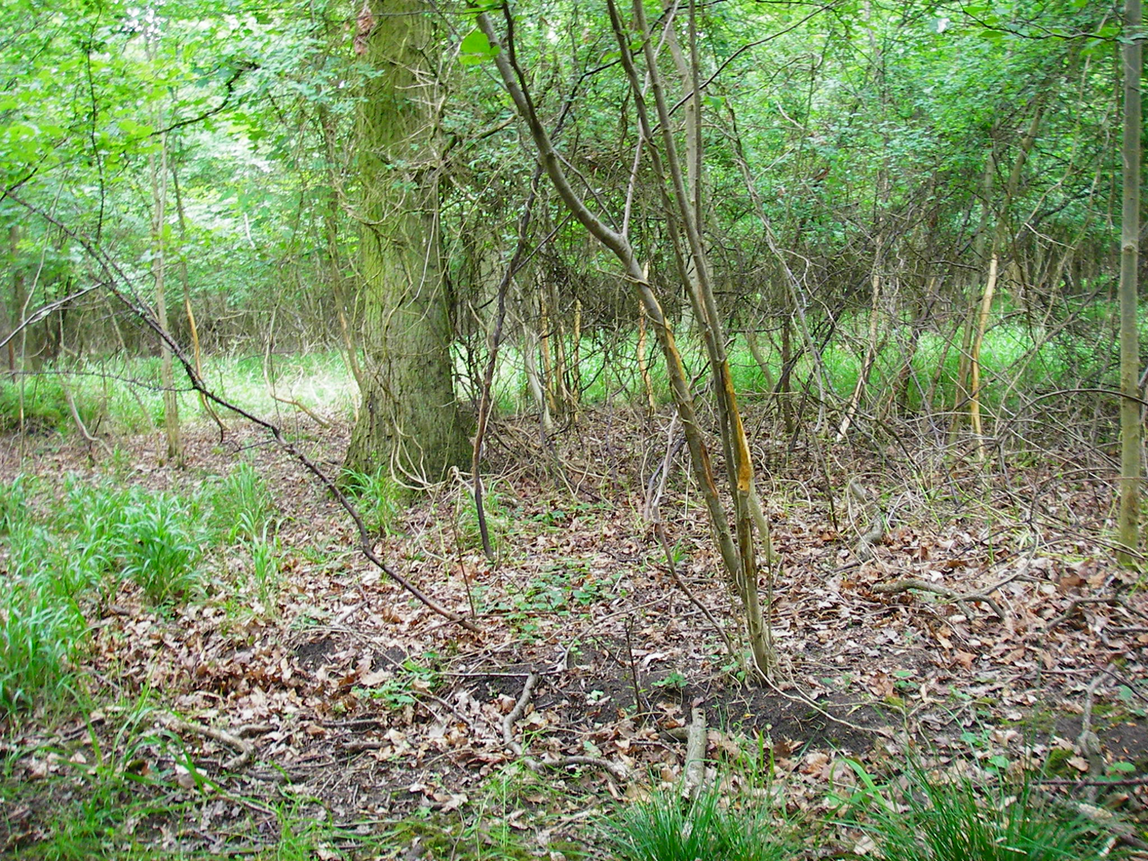
In order to keep pace with the rising impacts, there is a need to reduce reliance on fencing and tree shelters and to increase effective, active deer management at landscape scale, according to Defra.
Nature Minister, Mary Creagh noted that that trees and native wildlife are under massive strain from deer damage.
She added: “This government is helping landowners and farmers manage deer impacts more effectively so woodlands can flourish and crops are better protected.
“These new measures will also help restore nature, boost our home grown timber industry and protect the millions of trees we are planting across the country”.
The measures introduced today are aimed at giving land managers the support needed to act quickly and effectively, and includes:
- Dedicated deer officers to provide clearer, more accessible advice and coordination;
- Grant funding to support effective deer management activity;
- Streamlined licensing processes to cut red tape and enable faster action. This includes potential changes to night shooting and close season licensing, allowing land managers to better protect crops, timber and habitats where there is a clear need
Forestry Commission chief executive Richard Stanford said: “This will help trees, and other plants to thrive, enable nature to recover and provide much needed habitat for woodland birds and other wildlife.
“We can all help in this endeavour by eating wild venison, the most climate-friendly red meat there is.”
Wild venison market
To complement the measures outlined above, the government will also support the domestic wild venison market, helping to offset the costs of managing deer impacts by lethal control, including supporting the British Quality Wild Venison Standard to boost consumer confidence and increase consumption.
Wild venison is a healthy, high‑protein food, rich in essential amino acids and lower in cholesterol and saturated fats than many other red meats.

The government is also supporting research to improve the effectiveness and efficiency of managing deer impacts, this includes the use of drone surveying in order to identify national priority areas and target action at a larger scale.
These measures will make it easier for foresters, farmers and land managers to reduce the deer damage they face and allow woodlands to recover and thrive.
The Deer Impacts Policy Statement follows Defra’s Grey Squirrel Policy Statement, which set out measures to tackle damage to trees and woodlands caused by invasive grey squirrels and support native red squirrel populations.