Weed control needed as warm weather drives growth

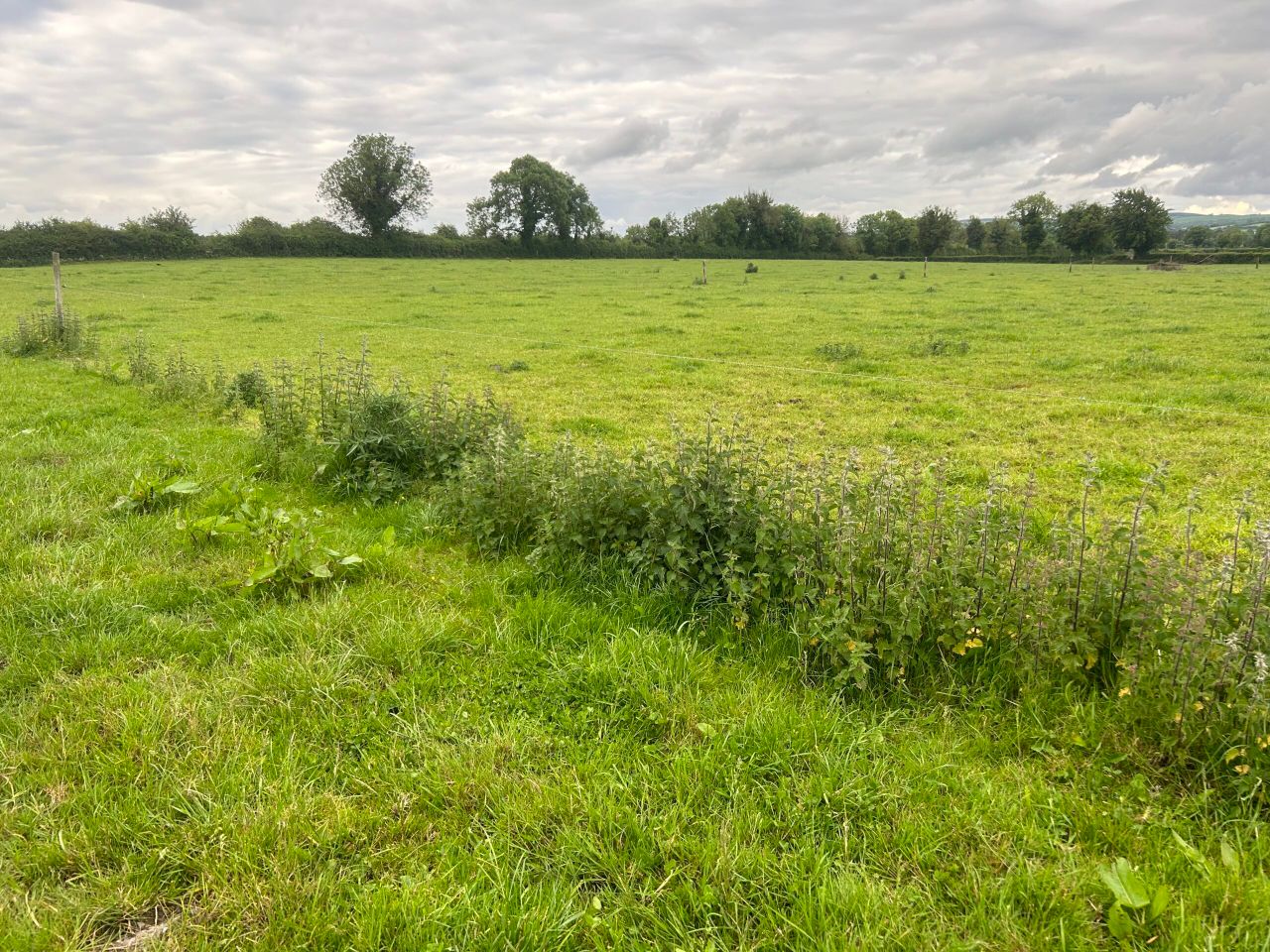
With the weather conditions finally taking a turn for the better, grass growth is up, but unfortunately so is weed growth.
Overlooking weed control can be costly in terms of sward production, as weeds such as chickweed, thistles, and docks can rapidly develop.
These weeds will then be in competition with grass for nutrients, light, and water, and will reduce the area available for grazing.
That ultimately leads to more input costs such as fertiliser for the same, if not less, forage output.
Studies have previously suggested that for every 1% of the sward that is infested by weeds, farmers will experience a 1% reduction in grassland productivity.
Considering the current prices of fertilisers, and how poor grass growth has been this spring, letting weeds affect grass production from now on would be far from ideal.
Therefore a good weed control plan should be implemented, using methods such as integrated pest management (IPM) and targeted pesticides.
IPM is simply a way of controlling weeds through liming; crop rotation; drainage; and cultivation techniques.
It is used as a cost effective and sustainable method rather than using pesticides.
Docks
Docks are a complete headache on a lot of farms, as they do not need much to flourish and are extremely hard to eliminate.
As well as that, mature docks can produce up to 60,000 seeds annually, which can survive in the farm’s soil and then spread through the farm via slurry, while broken roots from grazing or mowing can also lead to additional plants germinating.
To make matters worse, we often see infestations rise in wet years like this as dock seeds thrive in poached ground, with their deep roots outperforming grass growth.
To control docks in 2026, it may be worth going with the option of selecting a herbicide and blanket spraying.
This should be done when the docks are green, growing, and are at the rosette stage, which will realistically be from now until the end of May.
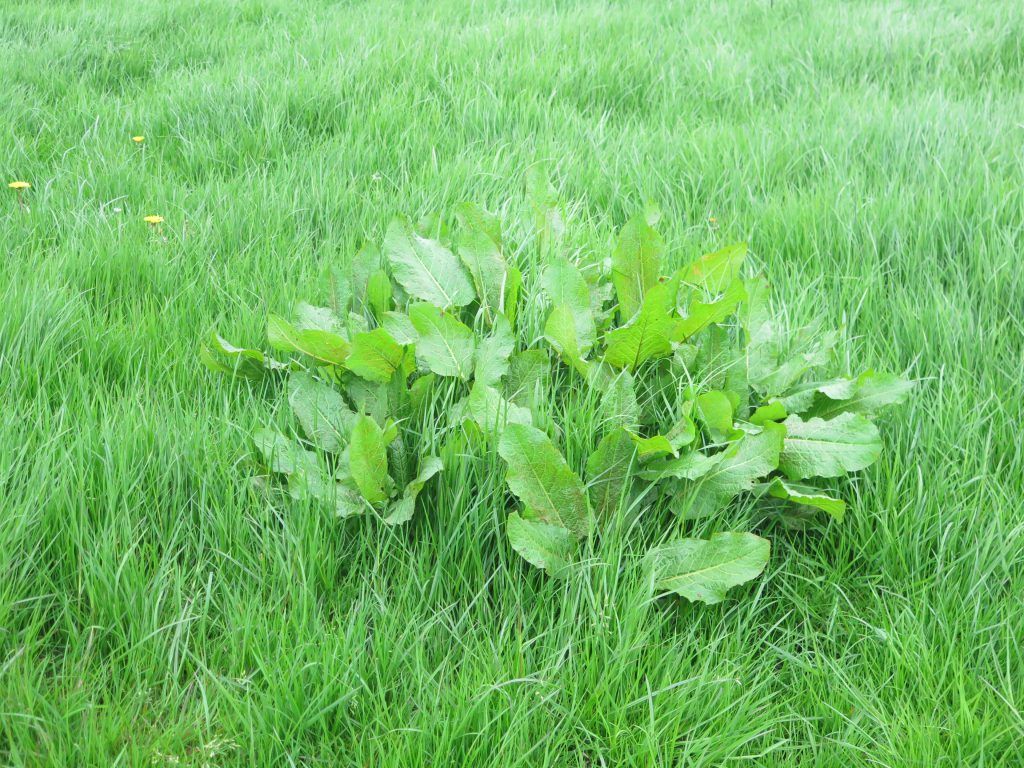
You should be using herbicides with active ingredients of fluroxypyr and triclopyr to target the docks, ideally spraying them before they reach 10cm in height.
However, if you are going down the route of herbicides, it is important to be mindful of clover, so use products such as ProClova.
If you feel the docks have gone past the spraying stage at this point in time, you can target them again in late August.
Whether you are spraying docks now or not, considering IPM may be worth it to help tackle infestations.
For IPM, farmers should get out and walk their fields to evaluate the following information:
- The level of dock infestation and other weeds;
- Stocking rate;
- Fertiliser application and type;
- Soil sample analysis;
- Silage cutting;
- History of dock treatment and products used;
- Poaching and supplementary feeding;
- Slurry application;
- Grazing management;
- Drainage.
This will help the farmer to make the decision on whether they are going to go down the route of an IPM or the chemical route, or a combination of both.
When it comes to old pastures that is constantly giving trouble with weed infestation, reseeding is more than likely the best option.
However, this would ideally need to take place now before conditions begin to support establishment.
Weed control
Another weed that was quite a pest last year was chickweed, which can completely smother grassland if it is not controlled effectively.
However, the mild and dry spring may have propped up its growth, so it may not be as much of a concern in 2026.
If it is causing issues on the farm this year, using products that contain fluroxypyr may be your best bet, spraying when temperatures rise.
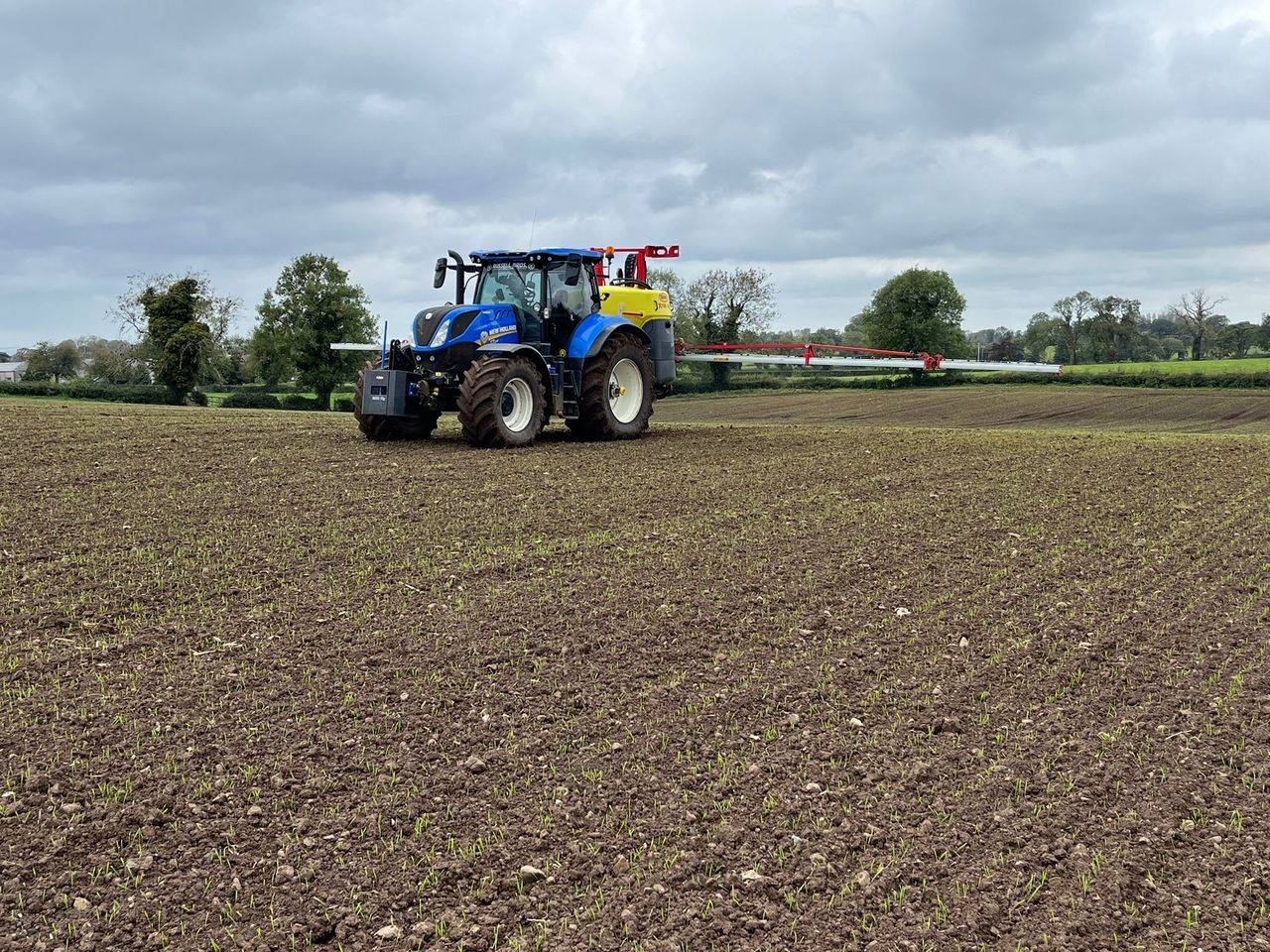
Plenty of ragwort was also on the go last year, and considering how it is a poisonous weed to livestock, controlling it should be a priority.
If only a few are appearing, they should be pulled from the ground, ensuring the full root is removed.
However, if there is a large infestation of ragworth, spraying should be the protocol and should be carried out once there is active growth.
In the meantime, measures must be put in place to avoid stock eating any dying or dead ragwort present as it can take four to six weeks for weeds to decay.
And of course there are the thistles. These are common in older swards that are low in nitrogen and phosphorus but high in potash.
The best point of control for these is when the plant is actively growing at the full rosette stage.
Products based on the active ingredients triclopyr and clopyralid will give a high degree of root kill, but it can be hard to kill thistles without impacting on the clover plant.
Before going out and controlling weeds in your swards, you should consult with your adviser what products will suit your needs.