What are the environmental pressures for bTB-restricted farms?

Bovine tuberculosis (bTB) leads to a significant build up of environmental pressures on both dairy and beef farms.
This is according to a Andersons Centre report into the indirect costs of bTB in Northern Ireland.
The work was commissioned by the Ulster Farmers’ Union and the Livestock and Meat Commission in tandem with the Dairy Council for Northern Ireland.
Environmental challenges identified on bTB-restricted farms include carbon dioxide increases per unit of output, phosphate loading per hectare, nitrogen loading, fuel requirements, and medicine usage.
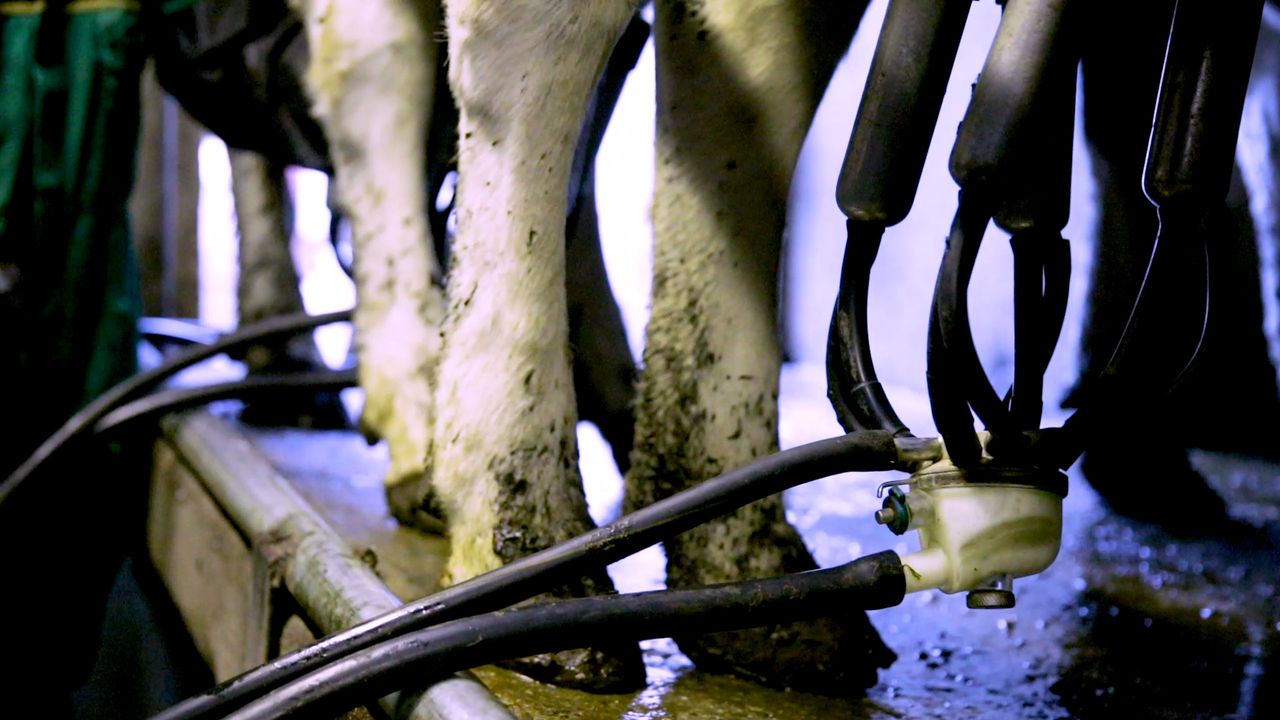
Dairy farms
Specifically where dairy is concerned, this means that the operational disruption caused by bTB breakdowns – such as reduced output, extended housing, delayed animal movements, disrupted grazing patterns, and higher veterinary needs – is translating into clear environmental impacts for a significant number of affected businesses.
These matters become more pronounced if expressed on a per unit of output basis, particularly so if there is a large breakdown and a significant number of cows are removed from a herd.
The pattern is even more pronounced for the usage of water, fuel and medicines, where increases are more prevalent than any other response.
According to the report, this reflects the practical challenges farmers face during a breakdown, including a greater reliance on housed systems, more time spent managing animals, and additional treatments or preventative measures that raise input use.
Across all indicators, the proportion of farmers reporting increases is far higher than those reporting decreases, which reinforces the reality that the environmental impacts of bTB are consistently upward rather than just neutral or positive.
Although these trends are often incremental rather than dramatic, they occur across multiple categories and accumulate over time.
This demonstrates that bTB is not only an animal health and business continuity issue but also a significant driver of reduced environmental efficiency within dairy production systems.
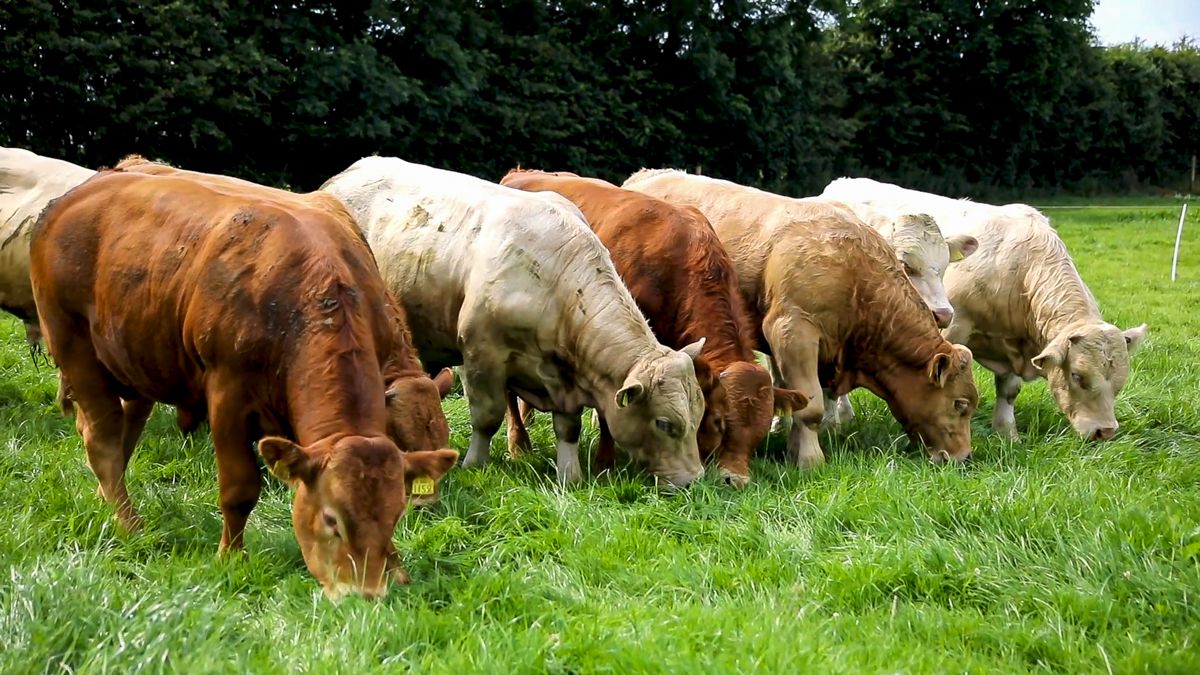
Beef farmers
Beef farmers have also reported widespread increases in environmental pressures associated with bTB breakdowns. Again, when small increase and large increase responses are combined, they account for the majority of answers across most categories.
This is especially pronounced for carbon dioxide emissions, ammonia emissions, nitrogen and phosphate loading, fuel requirements, and medicine usage.
Again, these patterns reflect the operational disruption caused by bTB restrictions with animal often retained on farm for longer, which raises feeding requirements and increases in slurry output, all resulting in higher fuel usage for handling, feeding, and testing activities.
The scale of these increases is particularly evident for fuel usage and emissions per unit of output.