

The Department for Environment, Food and Rural Affairs (Defra) has announced plans to improve animal welfare standards for laying hens and lambs.
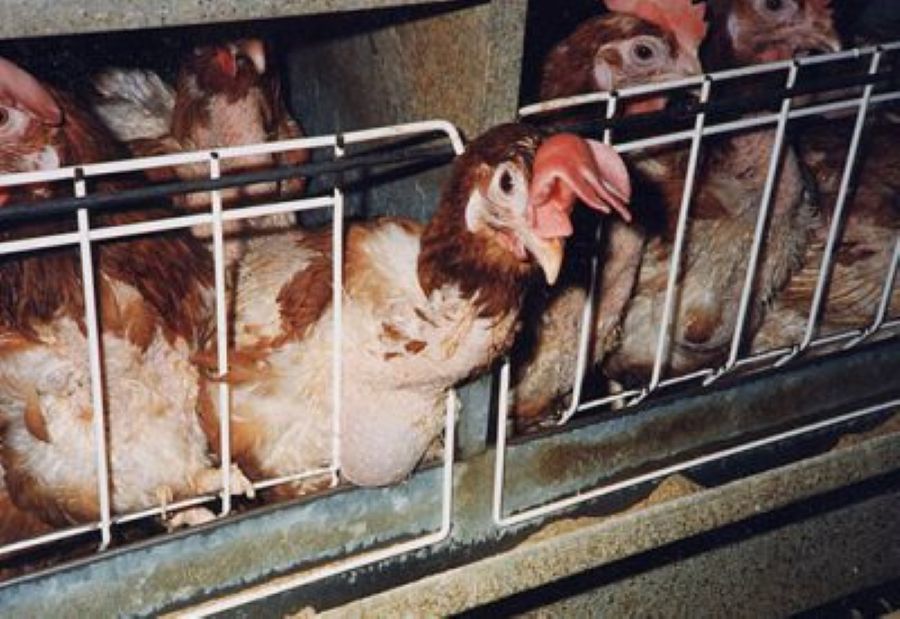
The proposals being brought forward by Defra aim to phase out the use of enriched or ‘colony’ cage systems for laying hens, pullets, and breeder layers.
The government has proposed a ban on any new cages from 2027, with the intention to end the use of all cages from 2032.
Under the proposals, the ban will extend to all birds kept in ‘battery’ cages, removing the current exemption for flocks of 350 birds or fewer.
According to Defra, these enriched ‘colony’ cage eggs supply just over 20% of the UK shell egg production.
The department stated that these cages “heavily restrict the movement of British laying hens”.
“These systems have up to 80 birds in each cage, with each bird having space that is no bigger than an A4 sheet of paper,” it added.
Lambs
Additionally, new plans have also been set out by the government to improve welfare for lambs.
Under these proposals, farmers will be expected to take steps to minimise pain when castration and tail docking has to be carried out.
Defra noted that improvements to lamb welfare could be achieved through greater use of pain relief and consideration of alternative methods which farmers would get improved access to.
The proposals will be subject to an eight-week consultation, so any impacts on farmers and trade can be fully considered and managed. Farmers, industry and animal welfare organisations are encouraged to share their views.
Defra
Speaking on the proposals, Minister of State at Defra, Dame Angela Eagle commented: “We are committed to improving the lives of farm animals and to supporting farmers to produce food sustainably, profitably and to the high standards consumers expect.
“British consumers want high animal welfare standards and these measures reflect those values, creating healthier livestock and high welfare food production.”
The head of Compassion in World Farming UK, Anthony Field has welcomed the plans to improve welfare standards for laying hens and lambs, adding that it “marks an important and long-awaited step towards ending the cage age.”
“Phasing out cages for the millions of hens kept behind bars every year cannot come soon enough, and we hope the outcome of this consultation will be an ambitious timeline for phasing out these cruel systems.
“Castration and tail docking are usually carried out without anaesthetic or pain relief, causing great suffering, so this is an extremely encouraging move,” he added
RSPCA
The Royal Society for the Prevention of Cruelty to Animals (RSPCA) has also welcomed Defra’s announcement to ban caged systems for hens, which is an issue that the charity has campaigned against for over 50 years.
RSPCA is now encouraging members of the public to back the campaign by urging the government to take the next steps to ban cages for hens during this eight week consultation.
David Bowles, head of public affairs at the RSPCA said: “During their lives, many of the animals will never have the freedom to move properly; their cramped, often dirty, cages barely leave them room to move, to spread their wings and stretch their legs.
“This consultation offers a great chance to give our supporters a voice that can make a real difference to animal welfare, and we’re urging them to get behind this consultation and show the government that they too want to see meaningful changes come out of it.”
RSPCA added that it will continue its campaign against the use of cages in UK pig farming, with a consultation expected to be launched by Defra later this year.
Bowles outlined: “Between five and six million pigs reared for slaughter are born in farrowing crates each year in the UK, another practice not permitted under RSPCA welfare standards.
“The government proposed ending this practice in last month’s strategy so we will continue our campaign against the use of cages in UK pig farming and look forward to the consultation on this later this year.”