

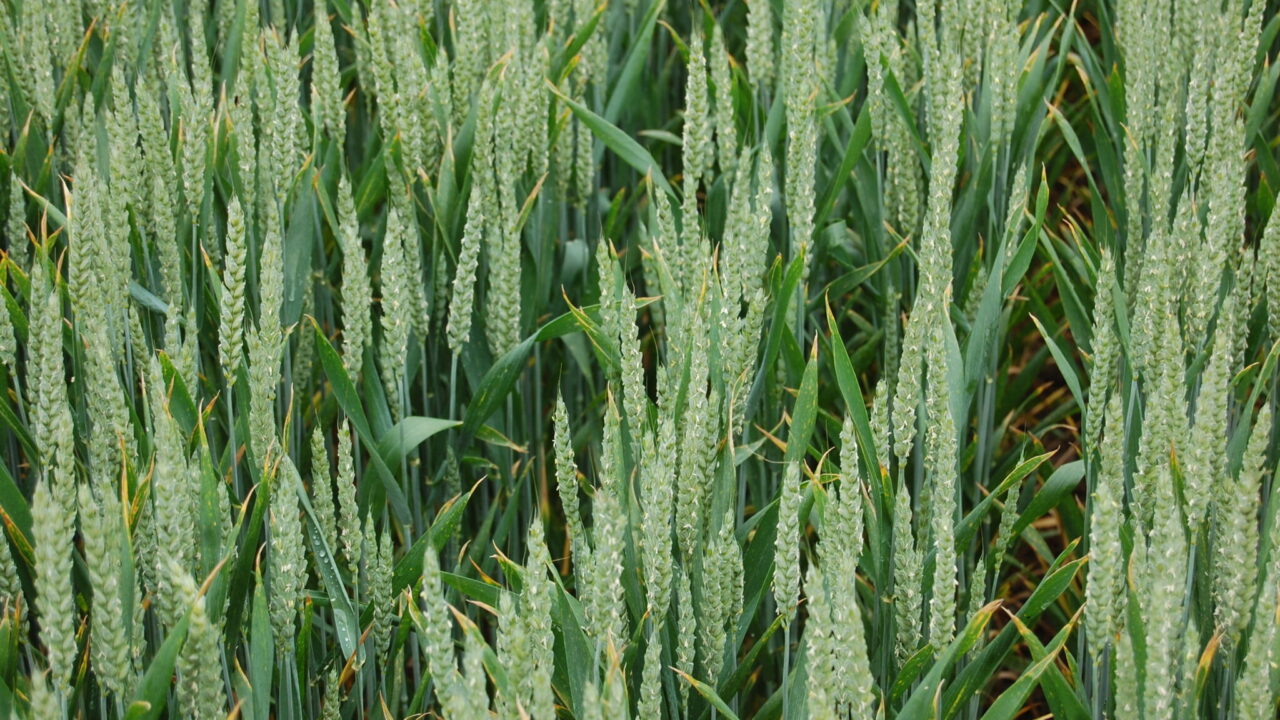
The Agricultural and Horticultural Development Board (AHDB) is confirming that, for the most part, UK winter crop prospects remain strong from a yield perspective.
The full details of this assessment are contained in the organisation’s latest crop update.
Up to this point, the 2025/2026 growing season has been marked by an exceptionally wet winter, with some areas experiencing their wettest January and February on record.
AHDB noted that conditions began to improve in late March, enabling spring drilling to start, and while most soils have drained better than expected, a few isolated fields remain waterlogged.
Travelling conditions are varied; tracked machinery has proved more effective in wet conditions, whereas wheeled equipment has struggled in places.
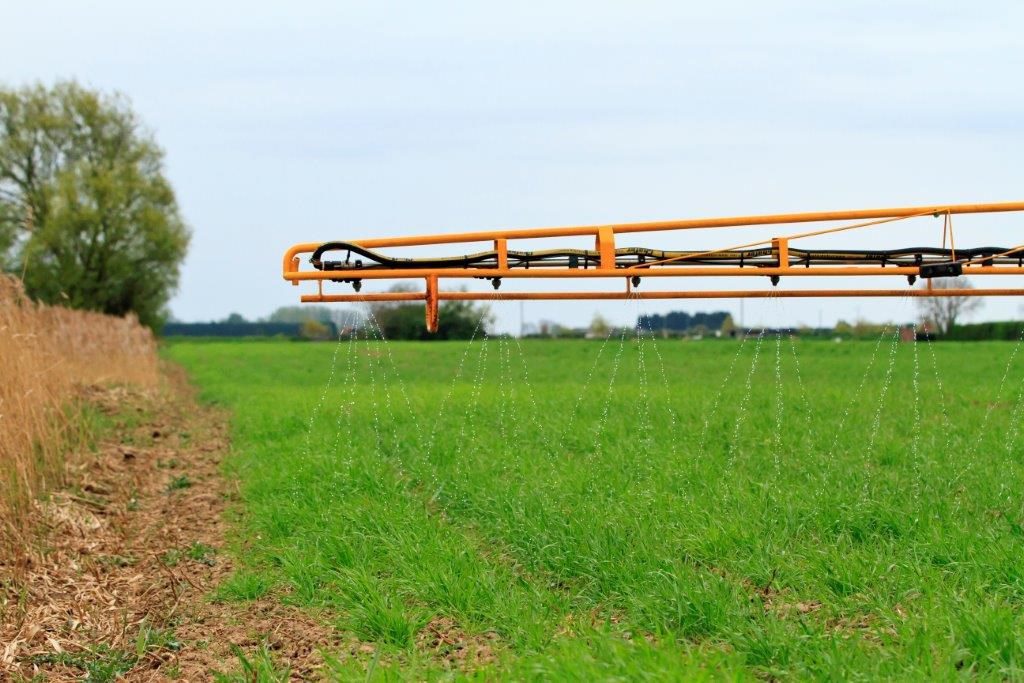
Growers have generally completed first nitrogen applications, and many are moving on to second doses, though rising fertiliser and fuel costs are prompting some to consider trimming later rates.
Meanwhile, the use of drones for early micronutrient applications has become more common.
Autumn herbicides have given good ryegrass and blackgrass control nationwide, and low insecticide use continues to be a notable trend.
Disease pressure in winter wheat is rising, particularly from septoria and yellow rust, though remains low for other winter crops.
Overall, winter crop prospects are reported to be very good.
Winter wheat
Winter wheat crops currently range from tillering to GS31, with early growth generally ahead of the seasonal norm.
Growth regulators have been widely applied to manage forward crops and reduce lodging risk.
Overall, crops are performing well apart from waterlogged areas, though later-drilled fields have been slower to develop due to fluctuating cold and wet conditions.
However, in the South-West, some advanced crops have regressed and yellowed, with localised patchy losses from water logging.
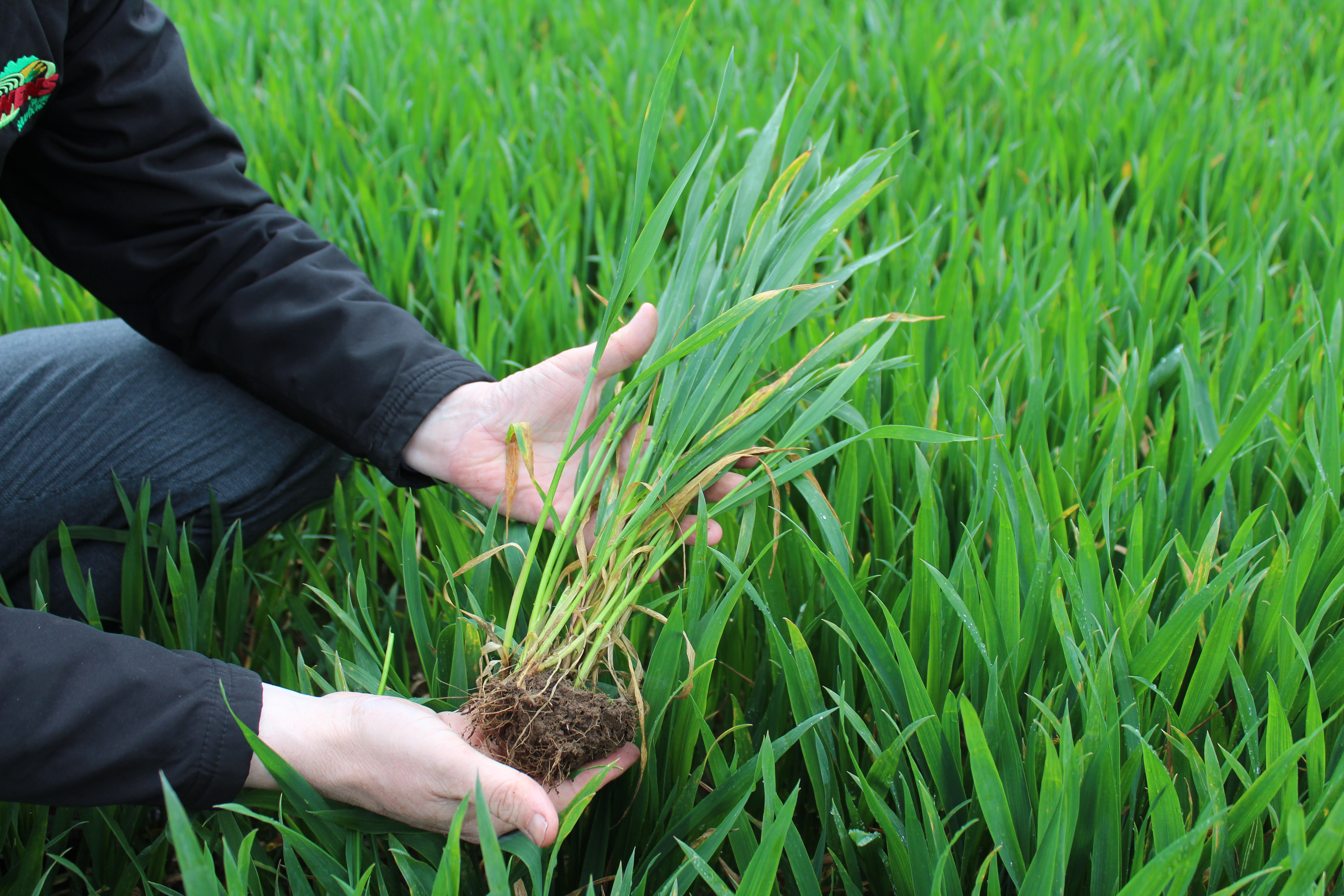
Despite these challenges, national yield potential remains good.
Some yellowing has been observed following waterlogging, but crops are recovering with nitrogen applications now showing effect.
Most growers are up to date with fertiliser programmes, with around 125kg N/ha applied in the South-East, though Northern Ireland growers have only recently begun first applications.
Weed pressure remains low overall, with autumn herbicides proving highly effective.
Broad-leaved weed control is generally good, including in Yorkshire and the north-east, where only minor patches are left.
In Eastern England, broad-leaved presence is limited mainly to cleavers, groundsel, and chervil.
Pests and diseases
Pest activity is moderate, with gout fly widespread but causing minimal crop impact.
Aphids are active in several regions, accompanied by a noticeable population of ladybirds helping to contain numbers.
Increased free-living nematode activity has been reported in the Vale of York, while the West Midlands and South-West note more visible gout fly damage and aphid presence.
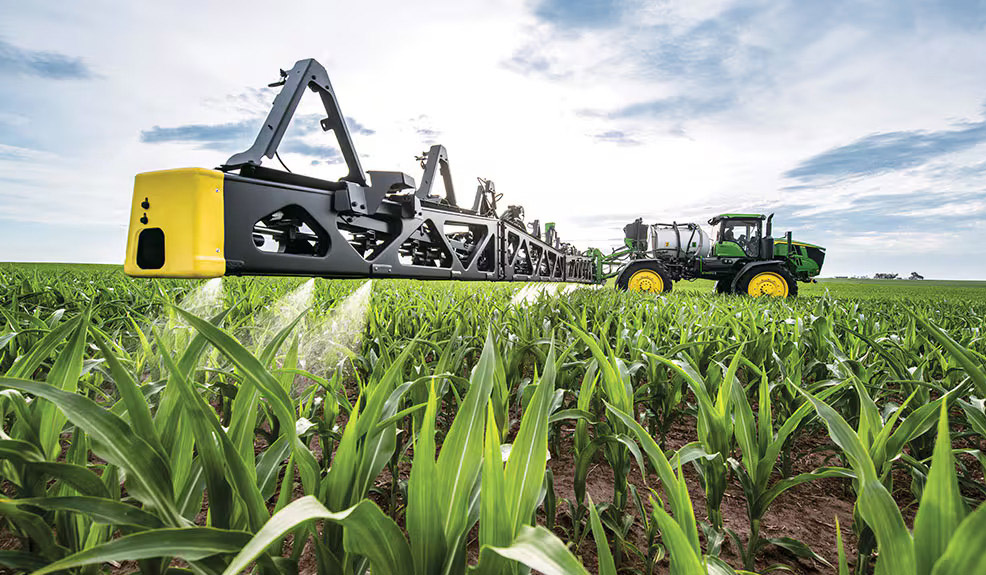
Meanwhile, disease pressure is rising, particularly from septoria and yellow rust.
Septoria levels are high in early-drilled crops on wetter ground, while yellow rust has become more widespread, particularly in later sown crops and more susceptible varieties.
Brown rust has appeared in southern and eastern areas, and mildew remains present at low, non-threatening levels.
In the West Midlands, Barley Yellow Dwarf Virus (BYDV) symptoms are visible in patches, and in the South West, T0 fungicides have mainly been applied to protect against yellow rust.
According to AHDB analysts, prospects for the 2026 wheat crop are reported to be very good, with 82% of the crop rated good-to-excellent, down from 83% in November.
However, the rating is sharply up in comparison to last March, when just 67% of the crop was rated good-to-excellent.