Soil Association aiming to boost presence in Northern Ireland
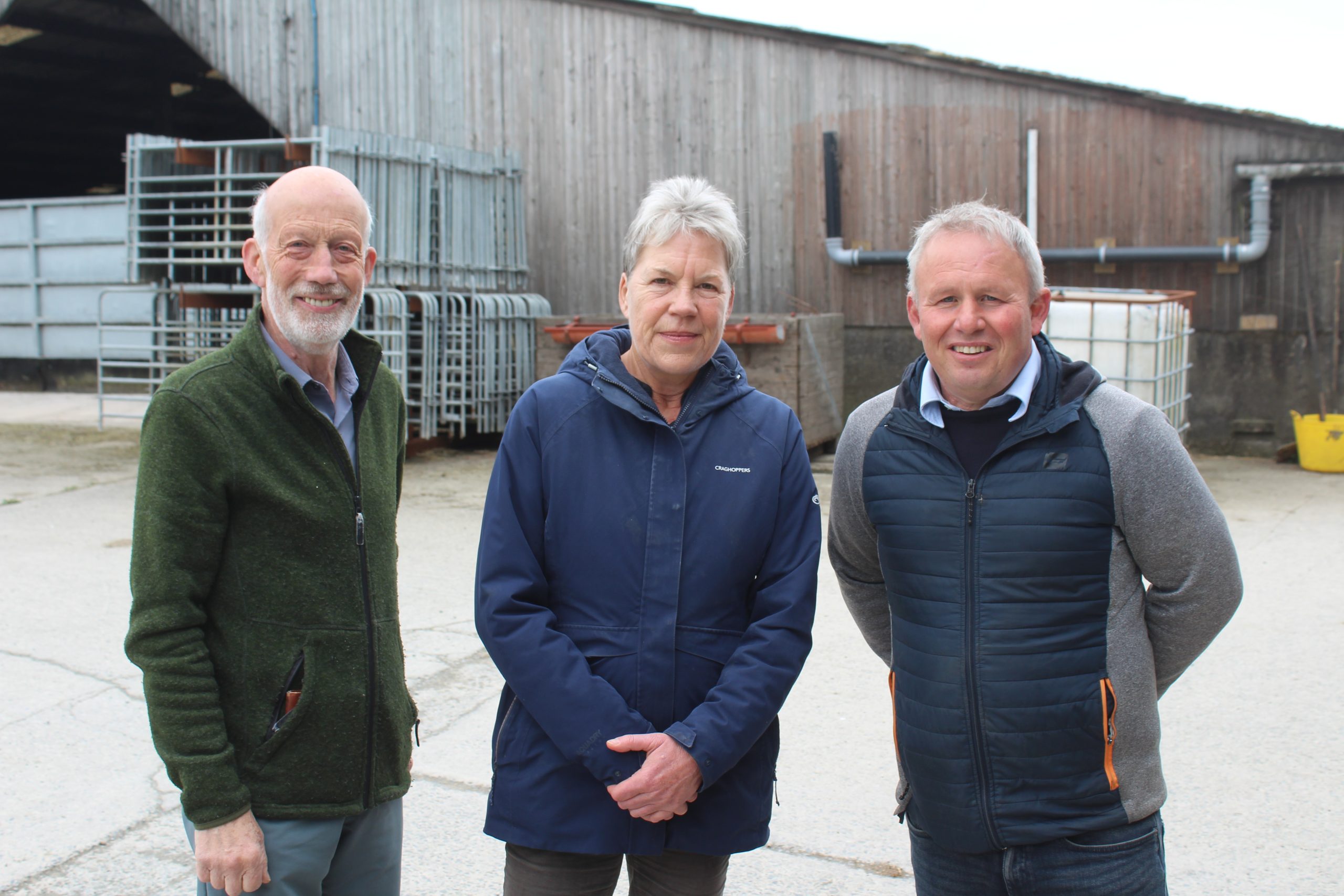
The Soil Association is looking at ways of increasing its level of on-the-ground activity in Northern Ireland from both a lobbying and general profiling perspective.
At the heart of this initiative is the organisation’s intention to produce a report comparing and contrasting the levels of support for organic farming currently available across the island of Ireland.
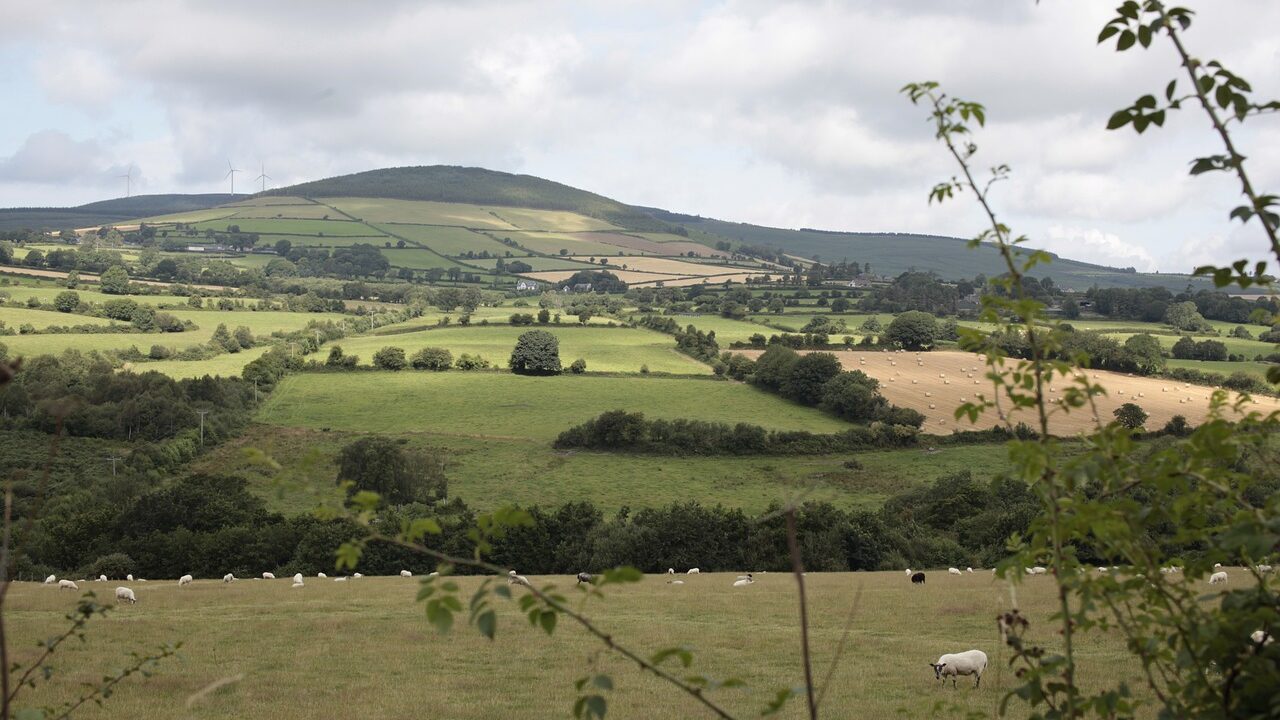
This matter was discussed in detail at a recent Soil Association regional meeting, held on the Co. Down farm of organic beef and sheep producer, Dale Orr.
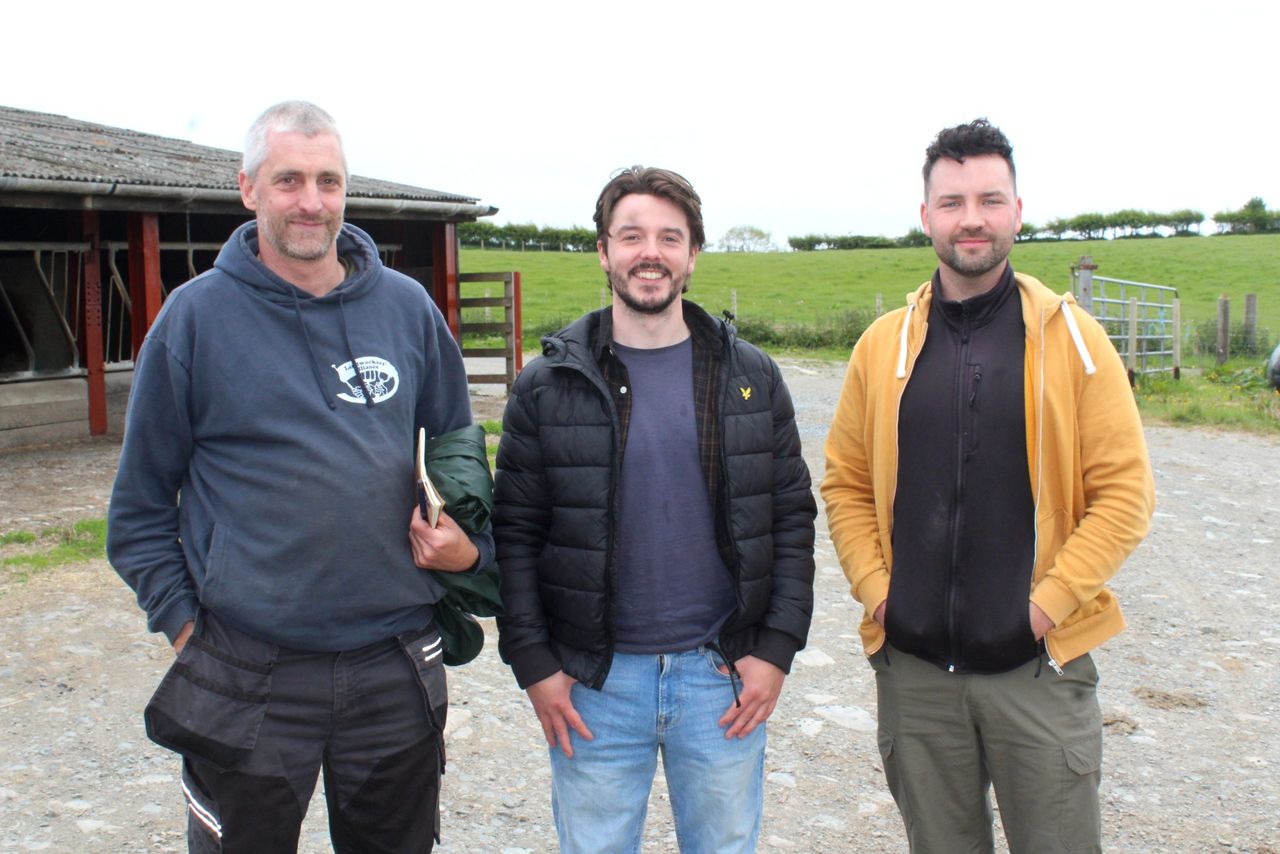
The event was attended by organic farmers and horticulturalists from across Northern Ireland. It took place against the growing demand for organic food throughout the UK and beyond.
There was deep concern expressed by those in attendance to the effect that Northern Ireland is the only region of the UK and Ireland where there is ‘zero support’ available for organic farming systems.
It was felt that one practical way of addressing this matter would be for the Northern Ireland Executive to legislate for a land area target dedicated to organic production in the region and a fixed timetable within which this can be achieved.
Soil Association chief executive, Helen Browning, addressed the meeting, highlighting two specific issues.
Where matters of certification are concerned, she recognised the demand from farmers and growers to minimise the levels of red tape they have to deal with.
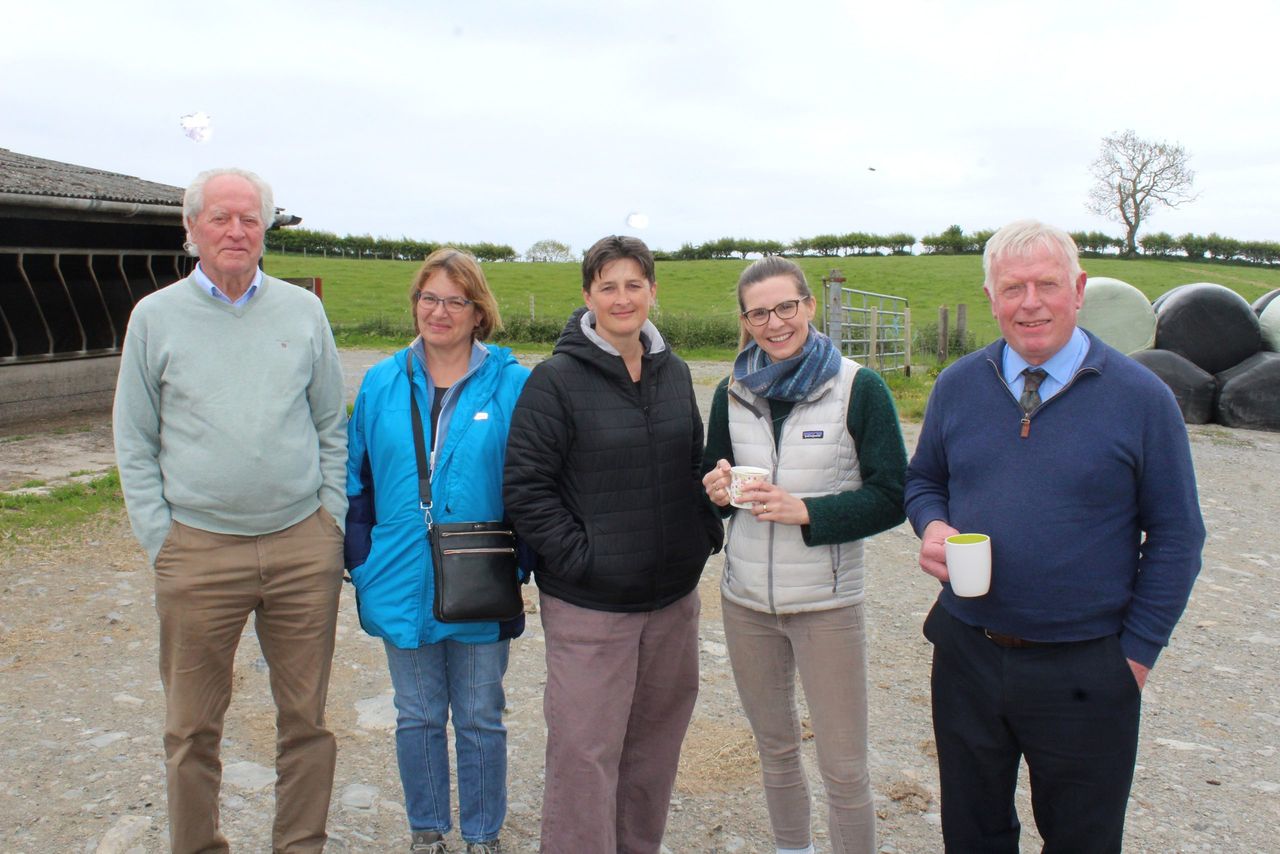
Browning said: “Certification standards are, pretty much, identical across the UK and the European Union with British animal welfare standards slightly higher than in some other countries.”
The Soil Association representative also asserted the key role that organic production systems can play at a time when food security is now a key political issue at an international level.
“Organic farming makes soil health its number one priority. By taking this approach, it underpins the sustainability of all food production systems.”
Browning noted that small scale horticultural enterprises are at “the very heart of organic farming practices”.
“We also know that organic farming systems can meet the food needs of the UK.
“However, this process would entail a significant proportion of the grain currently used within livestock production systems to be re-aligned for direct human consumption purposes.
“And making this happen would require significant dietary change at a national level,” the Soil Association chief executive said.