NFUS warns falling livestock prices threaten Scottish production

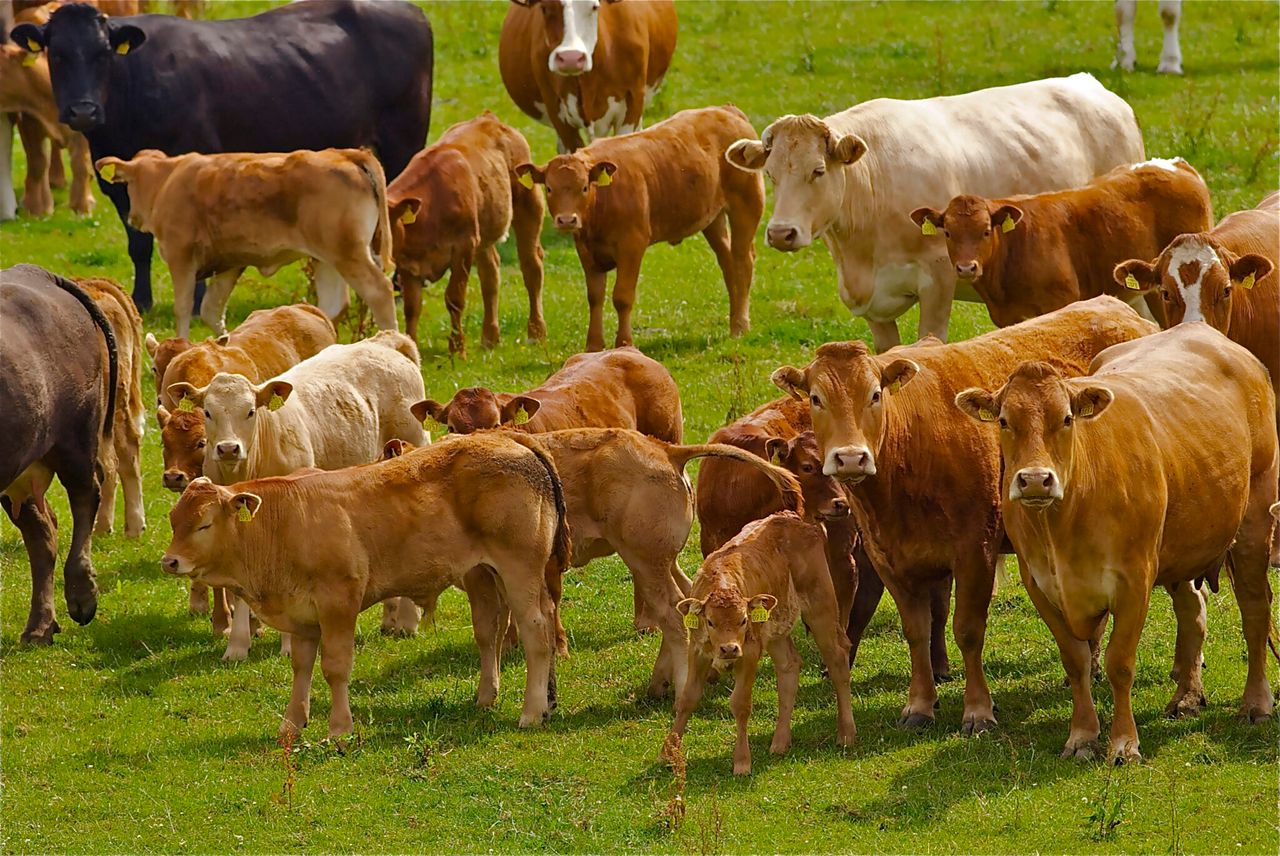
NFU Scotland (NFUS) has warned that declining cattle and pig prices are placing increasing pressure on producers and risk undermining confidence across the Scottish livestock sector.
The union outlined that recent market volatility, combined with rising production costs and ongoing supply chain pressures, is threatening the long-term viability of both beef and pig industries.
NFUS president Andrew Connon said that the sectors are facing a "critical point", with producers remaining concerned about future profitability and investment.
Beef sector
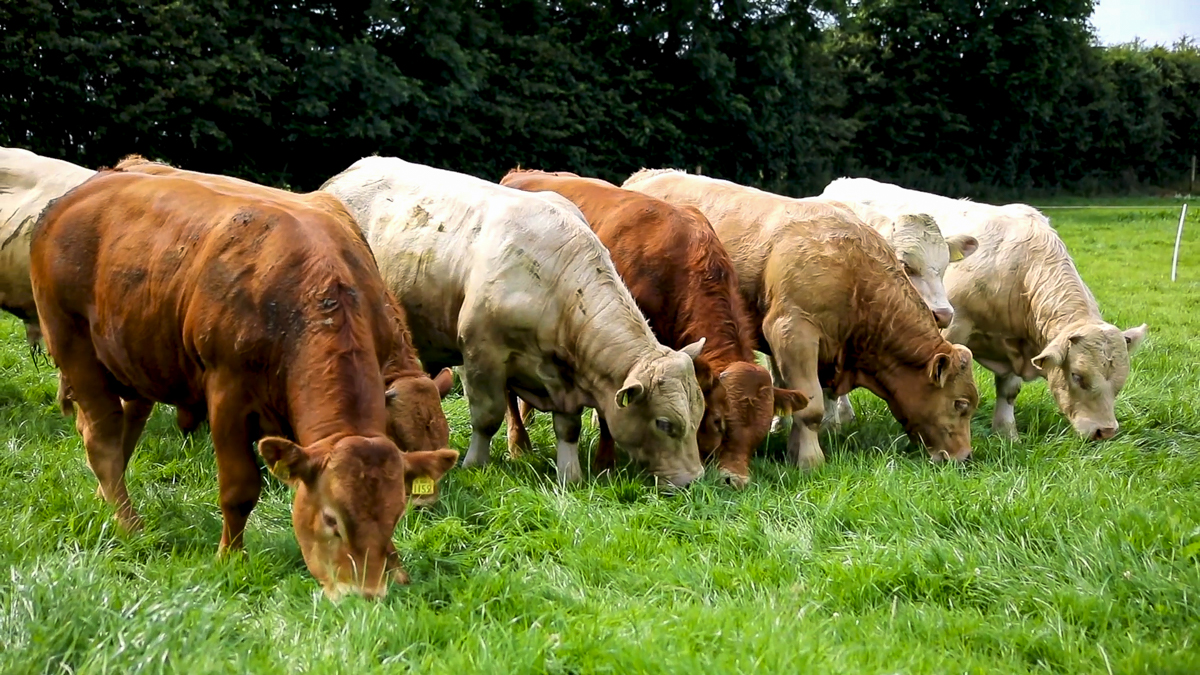
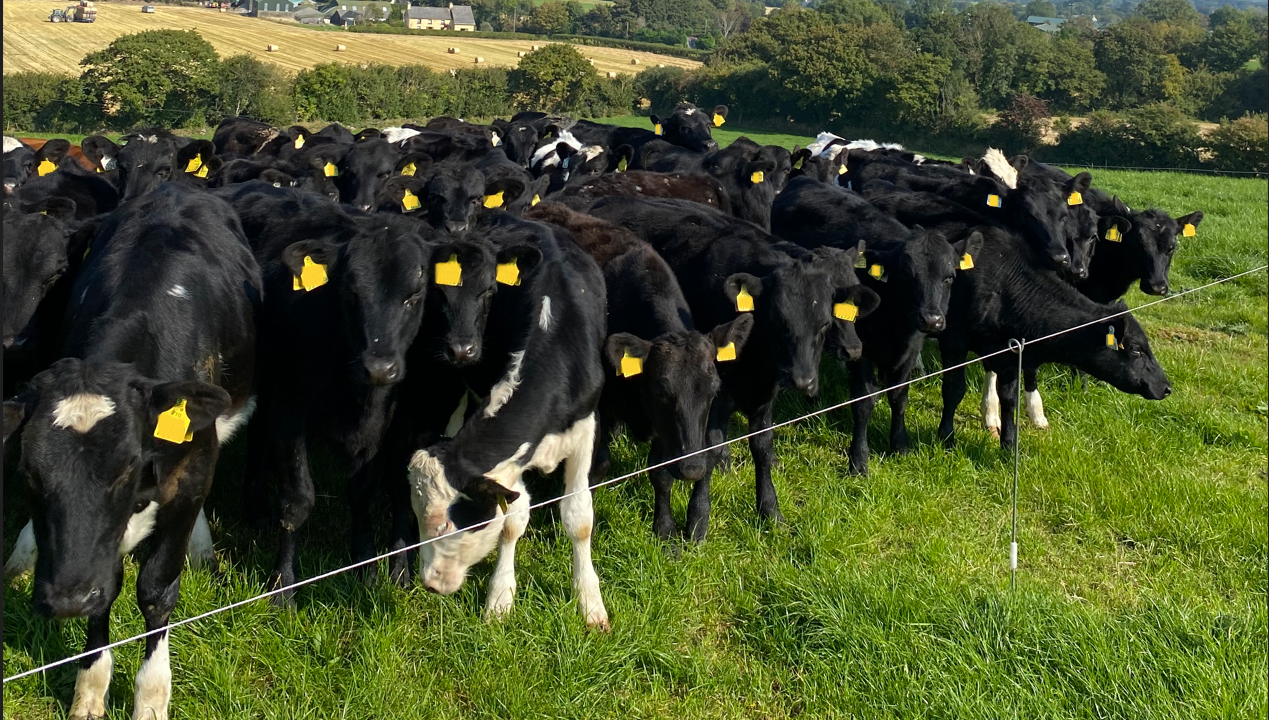
With Scotland's beef sector having its best year on record in 2025, NFUS alerted that the recent falls in cattle prices risks halting what it described as a "fragile recovery" in the national suckler beef sector.
After a period of stronger returns that helped restore producer confidence, prices for both store and finished cattle have eased, according to NFUS.
While store producers have continued to benefit from strong demand, NFUS noted that "finishers are being increasingly squeezed as deadweight prices soften and producer costs cannot be recovered".
NFUS
Connon highlighted that volatility in the market is creating uncertainty for producers attempting to plan for the future.
He said: “After a period where cattle prices finally gave producers confidence to invest again, we are now seeing that progress put at risk by volatility in the market.
"The beef sector needs stability, not sudden swings that undermine confidence just as we start to rebuild."
NFUS stated that Scotland's suckler herd "remains in decline" and said any further loss of confidence could accelerate contraction int the sector despite continuing strong global demand for beef.
The union also pointed to pressure from imports entering the UK market, alongside fluctuating export demand, as contributing factors affecting price stability for beef.

In addition to this, NFUS said that it is continuing its engagement with retailers regarding imported products and plans to carry out further ShelfWatch audits to monitor sourcing and transparency across supermarket shelves.
Moving to agri-politics, the Scottish farm group outlined that it is engaging with the UK government regarding the development of the proposed UK-EU sanitary and phytosanitary (SPS) agreement, which NFUS said could improve longer-term export opportunities.
The union added that long-term confidence in the sector will depend on stable returns, policy certainty and continued support schemes, such as the Scottish Suckler Beef Support Scheme (SSBSS).
Pig sector
NFUS also warned that Scotland's pig sector is facing "severe" financial pressure, with ongoing losses forcing producers to reduce herd numbers.
The union outlined that pig prices have reportedly "fallen sharply in recent months" due to weaker EU markets, processing disruption, seasonal plant constraints and wider supply chain pressures .
According to NFUS, some Scottish producers are receiving up to 15% below the UK Standard Pig Price (SPP) of 180p/kg, while production costs are estimated to be around 188p/kg, with the farm union describing this situation as "unsustainable" for pig farmers in Scotland.
NFUS said many pig enterprises are now operating at losses between £700-£1,000 per sow place, with a typical 500-sow unit potentially facing annual losses exceeding £500,000.
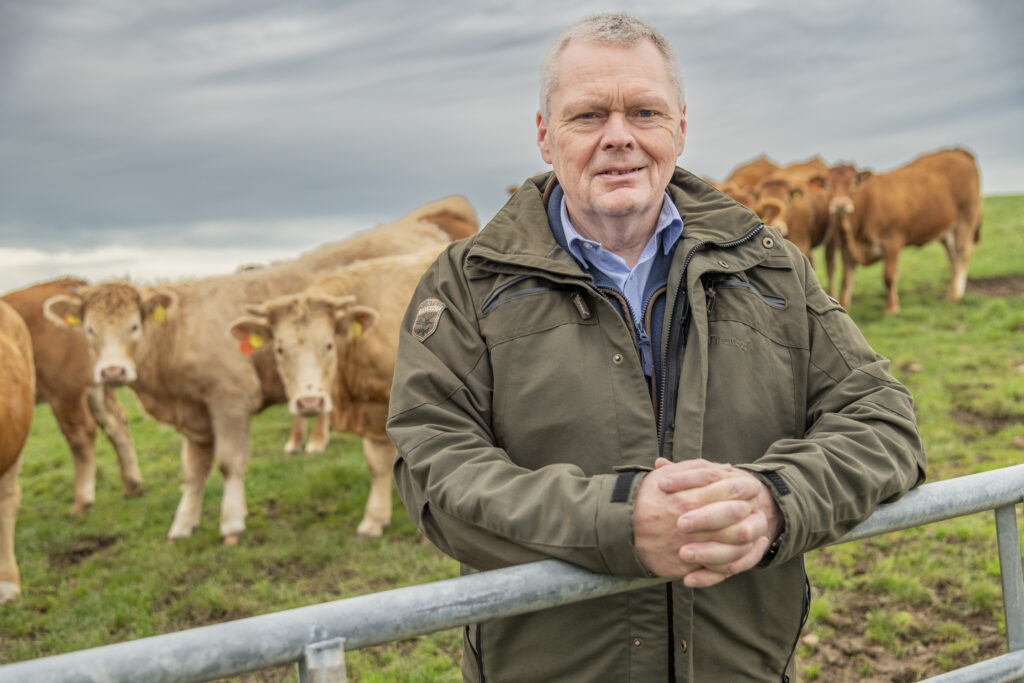
The organisation estimated that Scotland has already lost 10% of its national sow herd since the beginning of this year as "producers reduce numbers to manage financial survival."
The NFUS president raised concerns about the increasing pressure on the sector, warning that the pig industry is at risk of losing long-term capacity without immediate action.
Connon commented: "Without urgent action on pricing, fairness and market structure, Scotland risks irreversible loss of production capacity.
"NFUS will continue to press for immediate action and long-term solutions to secure a sustainable future."